Classic Album Review : Touché Amoré - Stage Four (10th Anniversary Edition)
I have an embarrassing confession to make: I spent years avoiding Touché Amoré because of their band name.
This is idiotic, obviously. It’s the kind of reflexive snobbery that feels defensible for maybe four seconds until you realize you’re judging a band by the least important thing about them. Because once you get past the name, Touché Amoré are almost annoyingly good at what they do. Their melodic post-hardcore hits that precise point between propulsion and atmosphere, between the song that makes you want to run through a wall and the one that makes you want to sit in your car in silence afterward.
The real trick, though, is Jeremy Bolm. His lyrics have perfected a difficult emotional frequency: urgent without being theatrical, intimate without begging for sympathy, devastated without turning the whole thing into a hostage situation. His gravelly, instantly recognizable voice is the reason Touché Amoré are both easy to identify and almost impossible to imitate. Lots of bands can sound wounded. Very few can sound this specific about the wound.
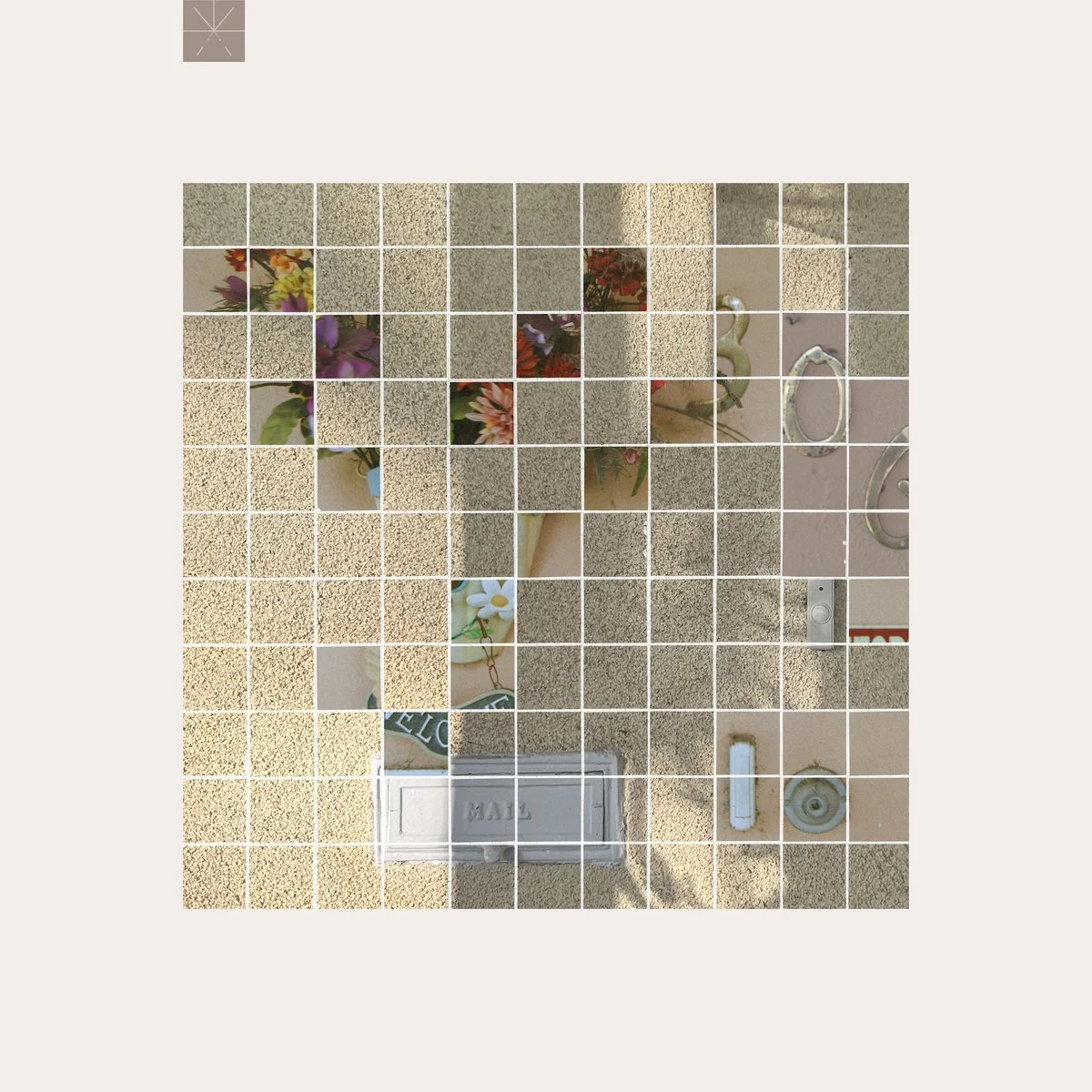
Touché Amoré released a tenth anniversary version of their iconic album Stage Four in April, which seems like as good a reason as any to tell you what I should have told myself years ago: get over the name.
The tenth anniversary edition of Stage Four features twenty-three songs and over seventy minutes of music, including six demos, three remixes, one live performance, and an alternate version of Rapture. Originally written by Jeremy Bolm as a way to work through the death of his mother, this expanded version offers a fresh look at Touché Amoré’s defining record. Stage Four is often praised for its raw, overwhelming emotion and rightly so. But what this anniversary edition reveals is how much of a monument to memory and survival it is.
Every journey through Stage Four is different, and Jeremy Bolm remains the only certified cartographer of its private disasters, but my two historically favorite cuts are Rapture and Displacement. The former is built around a haunting, slicing melody and a simple, devastating image: death as a personal rapture. Not the Biblical event where the chosen disappear into heaven, but the intimate apocalypse of someone vanishing from your life while everything else keeps moving like nothing cosmic has happened.
The song's momentum lies on Bolm repeating the same line with more urgency each time: something you love is gone, someone you love is gone. The anniversary edition includes a country-styled version complete with slide guitar and the strangest thing about it is how naturally it fits inside the Touché Amoré universe. It doesn’t make the song softer as much as it changes the lighting. The original sounds like grief trying to outrun itself. This version sounds like sitting on the porch, exhausted at your own suffering.
Displacement is more explicitly confessional, with Bolm revisiting his last moments with his mother and the strange logic grief imposes on memory. There’s a line where he remembers crashing his car, walking away without a scratch, and deciding his mother must have been watching over him. It’s a powerful image because this is exactly how grieving works: you start seeing the departed in everything. You begin interpreting the rest of your life through the prism of their absence. You look for them in otherwise meaningless occurrences, because it’s the only place left where they can answer you.
The anniversary edition includes a rawer, more urgent version of the song and it’s fascinating for the wrong reasons. The overpowering instrumental carries more emotional weight on its own, but it also crowds Bolm a little, making the performance feel like it has to fight for space inside its own confession. The version Touché Amoré chose in 2016 was the right one. It gives the song enough room to hurt properly.
One of the most haunting and memorable cuts from Stage Four is, of course, the opener Flowers and You It’s a vulnerable, disarming piece of storytelling about powerlessness in the face of death, which is probably the hardest kind of powerlessness to write about without turning the song into an emotional fiasco. The spacey guitars give Bolm’s voice room to breathe, which matters because the emotion here doesn’t need to be pushed. It already knows where you live.
The line I’m homesick and living in the past still gets me every time. It’s such a pristine image. You’re not just missing a person. You become homesick for a period of your own life, which is a terrible thing to realize because there is no way back there. Your home was destroyed. You have to change to go on even if everything was perfect. The demo version included on this edition shows the long path Flowers and You took before becoming this powerful, even if the intent was clearly there from the beginning. The final version understands what the demo is reaching for: not bigger grief, but a clearer portrait of it.
Among the other worthwhile additions is Youth Code's remix of Palm Dreams, which might be the strangest and most invigorating piece of bonus material here. It’s rugged, grimy, oddly danceable, and offers a different angle on the driving theme of Stage Four. Most of the album is about trying to survive inside grief without betraying the person you lost. This version imagines, if only for a few minutes, what it might feel like to step outside of it.
There’s an abandon to the remix that doesn’t feel quite personal, and that’s what makes it interesting. It sounds as if Youth Code understood what Bolm was carrying and gave him a temporary escape route through an industrial basement club. The grief is still there, obviously. It doesn’t vanish because someone added a beat and some mechanical menace. But it becomes physical instead of reflective. It gives the body something to do with what the mind can’t resolve. That momentary relief feels welcome.
*
I have another confession to make. I started revisiting Stage Four a couple weeks ago after my dog Ozzy died from brain cancer.
Because of that, I was less interested in writing an exhaustive review of the anniversary edition than in telling you about my personal journey with it. There is only so much left to say about Stage Four as an album. It’s tremendous. It’s heartfelt. It somehow never dips into corniness despite dealing in the kind of emotions most artists can barely touch without immediately embarrassing themselves. Everything pertinent has already been written, probably by people who discovered Touché Amoré before I stopped being weird about their name.
But that’s also why records like this endure. Their importance eventually stops being about the quality of the music, even when the music is extraordinary. It becomes about usefulness. It becomes about whether the record can sit beside you at the exact moment when language starts failing and everyone else’s sympathy, however genuine, begins to feel insufficient. That’s what Stage Four did for me this time. It didn’t make grief easier. Nothing does. But it made grief feel less solitary, which might be the only honest miracle art can still perform.
8.7/10
* Follow me on Instagram , Bluesky and Substack to keep up with new posts *