Classic Movie Review : Eraserhead (1977)
American filmmaker David Lynch is usually discussed in one of two ways: he was either an inscrutable genius whose work eludes analysis or a rebellious iconoclast who had no interest in crafting satisfying narratives. Neither explanation is entirely wrong, but both make him sound less deliberate than he was. Lynch never elicited milquetoast feelings. People were either fans or haters.
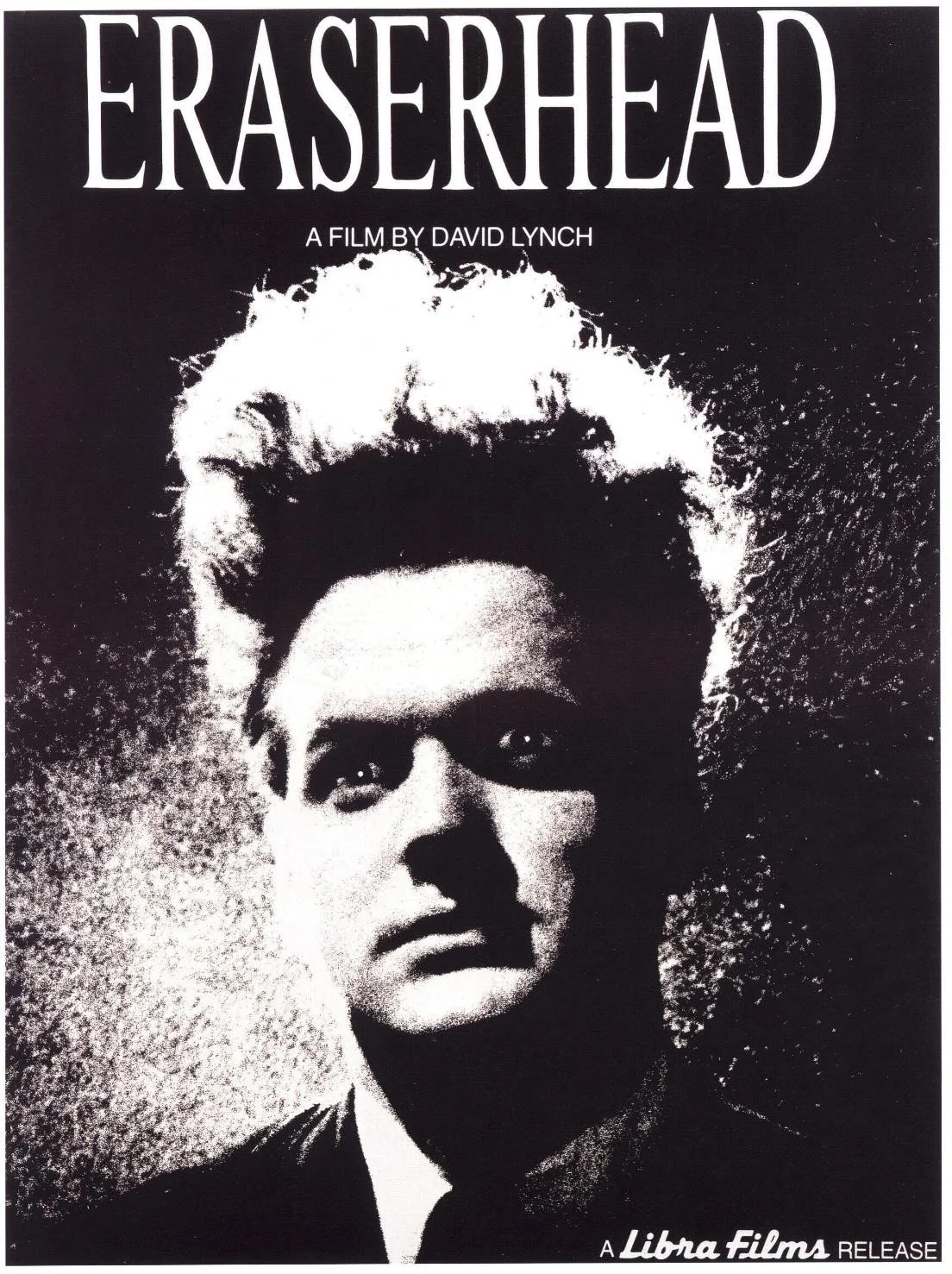
His debut film, Eraserhead, is about to turn fifty, and it has endured through changing tastes, technological revolutions and several generations of viewers insisting that it makes absolutely no sense. But Eraserhead is a classic because it does make sense, whether you consciously understand it or not.
Eraserhead tells the story of Henry Spencer (Jack Nance), a mild-mannered printer on vacation who trudges across an industrial wasteland after learning that his estranged girlfriend’s parents have invited him to dinner. During the most catastrophically uncomfortable family meal ever filmed, Henry discovers that he and his girlfriend have produced a mutant baby together.
He is quickly drafted into domestic life and fatherhood. The baby becomes the bane of Henry’s existence and when his girlfriend abandons them both, he becomes its primary caretaker.
A Pretty Straightforward Movie
On my second viewing, Eraserhead made complete sense to me on an emotional level, even if its presentation remains otherworldly and idiosyncratic. The surrealism is not a wall obscuring the movie’s meaning. It is the delivery system.
This is a film about fatherhood anxiety and the existential loneliness of becoming a function you have to perform. Whether Henry is printing something at work or caring for a disgusting mutant baby at home, his existence has been reduced to maintenance. He is no longer living so much as keeping several incomprehensible systems operational. Henry is disappearing into his responsibilities.
David Lynch had a well-documented obsession with Norman Rockwell’s America: modest homes, polite neighbours, attractive lawns and people faithfully performing their assigned social roles. But Eraserhead feels like an X-ray of that fantasy. It exposes the nervous system of sacrifice and dehumanization required to keep the picture looking wholesome. Henry becomes a worker, husband and father almost simultaneously, but none of these identities gives his life meaning. They merely give him more things he is not allowed to stop doing.
The horror is not that Henry has become responsible for a monster. The horror is that responsibility has transformed Henry into a piece of machinery. He no longer has any purpose beyond keeping that needy, screamy little blob alive. That is where the uneasiness of Eraserhead comes from: Henry has not merely lost his freedom. He has lost the right to imagine himself as anything beyond what another creature needs from him.
The Part About the Lady in the Radiator
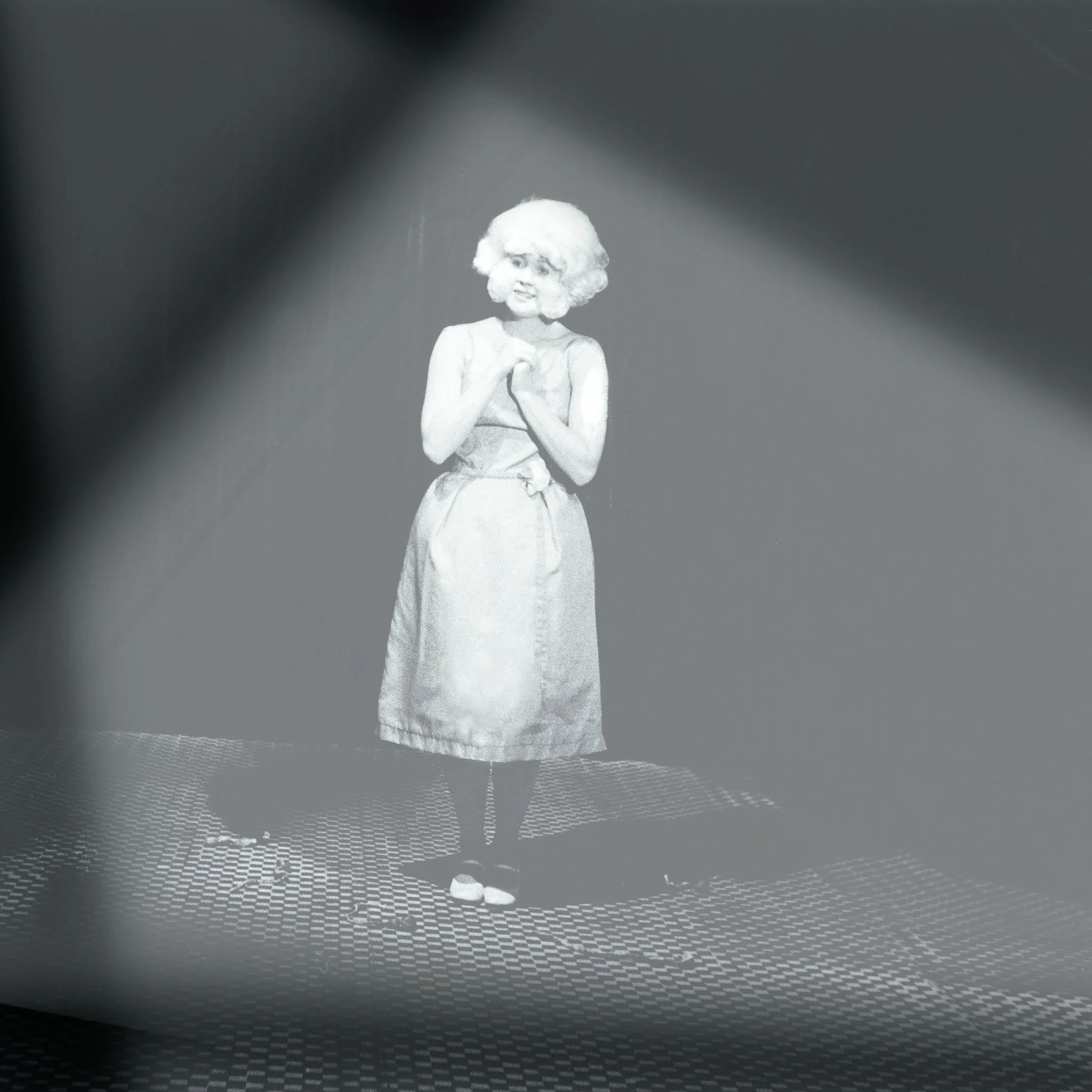
The unexpected star of Eraserhead is, of course, the Lady in the Radiator (Laurel Near). Her simple, haunting melody has become synonymous with David Lynch over the nearly five decades since the movie’s release. She is a walking contradiction: beauty and deformity, anxiety and nostalgia, comfort and annihilation contained within one smiling face.
Whether she actually exists or is merely conjured by Henry’s distressed consciousness is irrelevant. She is not a puzzle the movie expects us to solve. She is Rockwellian America and unspeakable reality occupying the same tiny stage: the promise that everything will be fine, delivered by a woman crushing embryonic creatures beneath her shoes. In Eraserhead, those two worlds are not opposites. They are inextricably linked. Comfort is only horror viewed from far enough away.
Her presence suggests that beauty and transcendence do not require the elimination of fear or ugliness. They may actually depend on accepting them. This is an idea Henry viciously brawls with throughout the movie, and one that most people instinctively resist. We want beauty to redeem deformity, or at least conceal it. The Lady in the Radiator does neither.
She is angelic and transcendent, but her face is deformed. Both realities coexist without cancelling each other out. Her deformity does not compromise her beauty and her beauty does not sanitize what is unsettling about her. Together, they make her who she is. That contradiction is not something the movie expects us to resolve. It is what makes her fascinating.
*
Eraserhead has endured for almost fifty years and become an important marker of pop culture because it is a fantastic, thoroughly uncomfortable film that portrays ordinary adult anxieties at an apocalyptic scale. Parenthood, work, domestic obligation, sexual inadequacy and the fear of disappearing into the life you have built are not problems technology has solved. Time has only given us more efficient ways to experience them.
That was David Lynch’s gift: he granted us unbridled access to his subconscious in its most violent, unfiltered form. But the secret of Eraserhead is that his subconscious is probably not that different from yours. Lynch just fearlessly tapped into it.
8.2/10
* Follow me on Instagram , Bluesky and Substack to keep up with new posts *