A Subjective History of Avant-Garde Metal
Some topics are likelier than others to cause a fistfight and this is probably one of them. I’m fine with that.
Does avant-garde metal even exist? If you asked the musicians playing it, most would probably say noor at least hesitate long enough to suggest the term is useless. And they wouldn’t be wrong.
Avant-Garde is a decategorization more than a category in itself, but it's a decategorization that is not completely boundless. Because once you create a label for music that doesn’t belong anywhere, people immediately start throwing things into it that absolutely do belong somewhere else. Bands with very clear identities get recast as experimental just because they feel unusual in the moment. So you end up with this strange overflow category where ISIS sits next to Sunn O))), next to Gorguts and even Black Flag.
Innovation sometimes inspires an art movement, but every art movement comes with its formal shackles. By definition, the word avant-garde itself is a critique and a rejection of formal conventions. The second you recognize something as avant-garde, you’ve already started to formalize it. You’ve turned rebellion into a category, which is the exact outcome it was trying to avoid. So yes, the musicians who get labeled this way often behave like iconoclasts.
They resist structure, they mutate their sound, they refuse to settle. But that resistance has its own pattern. The expectation becomes constant reinvention. The refusal to repeat becomes its own kind of repetition.
They don’t escape form. They just keep outrunning the last version of it. And that’s probably the closest thing avant-garde metal has to a unifying principle: not the absence of structure, but a permanent discomfort with whatever structure just worked. So, it involves a much smaller pool of lifers than you might think of and I'm going to stick to these lifers. Mostly. This is going to be messy, but kind of short. This is my extremely subjective history of avant-garde metal.
The Part That is Historical
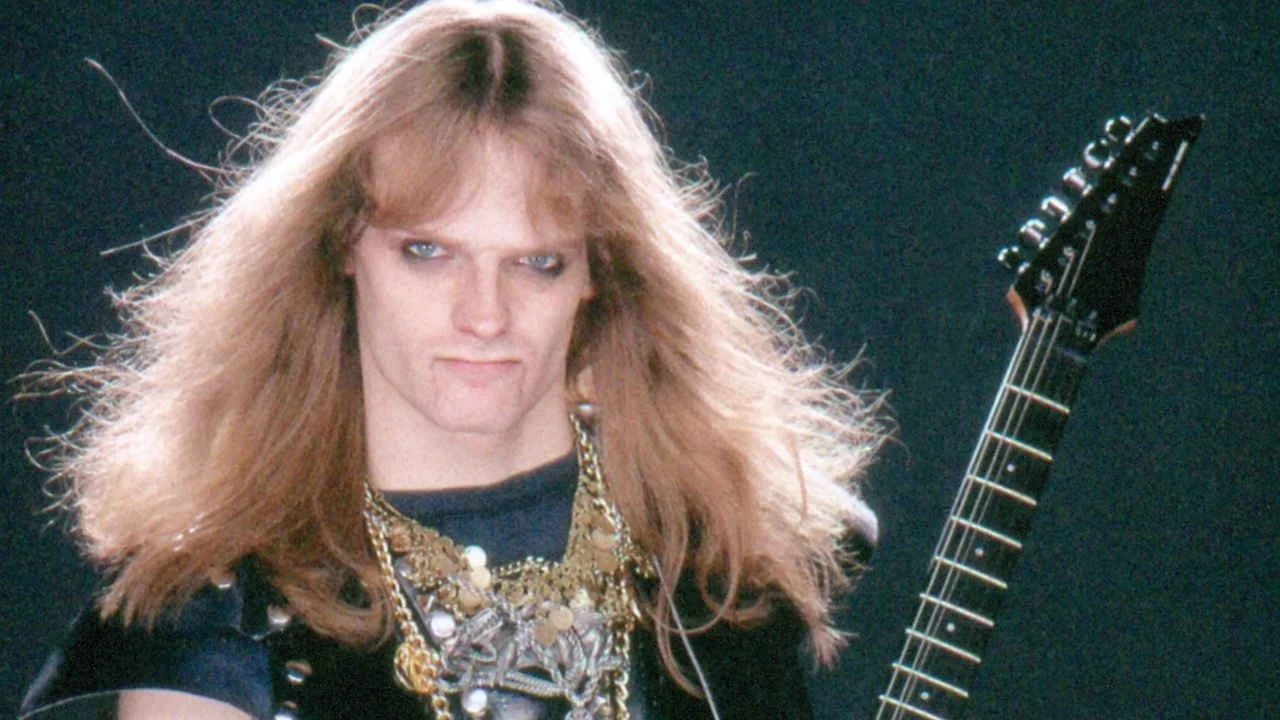
The term avant-garde metal was allegedly used for the first time in 1987 by non other than ol’ Tom G. Warrior himself, to describe Celtic Frost's record Into the Pandemonium. And to be fair, it fits. At least in retrospect.But it also feels a little too clean.
Metal in the late eighties was still relatively narrow. The explosion hadn’t happened yet. The weirdness we now take for granted: the genre mutations, the stylistic cross-contamination, the sense that anything could be folded into metal if you pushed hard enough was still mostly theoretical. So Into the Pandemonium had a wider field to disrupt simply because there was less in the way. Also, Into the Pandemonium was the first self-defined avant-garde metal record, but it arguably wasn't the first ever.
And we know how avant-garde metal musicians feel about labels. Celtic Frost were relentlessly creative, but don't quite fit the category. I guess that none of the musicians who paved the way for this subgenre do.
As it is the case for countless other genres, it has been on the tip of everybody's tongue for a couple years already. The second half of Black Flags' exquisitely bizarre My War in 1984 is as unclassifiable as it is influential. It’s slow, repetitive, almost hostile to its own audience. It doesn’t belong to hardcore, and it doesn’t quite belong to metal either. It just sits there, daring you to decide what it is and influencing everything that comes after by refusing to decide for you.
Napalm Death's Scum was also an important piece of formal innovation, but they went in one direction and never looked back. Canadian progmeisters Voivod were playing thrash metal then, but they were already playing with the shadows on the wall. They would commit to being weird only a year after Celtic Frost though, with Dimension Hatröss. There were innovators who created new ideas for subgenres of metal but the real feral iconoclasts were yet to take interest in metal.
Also, even though no one had noticed yet, Mr. Bungle had started making music in 1985 and this is quite important. This is what we're here to talk about.
The Part That Resists History
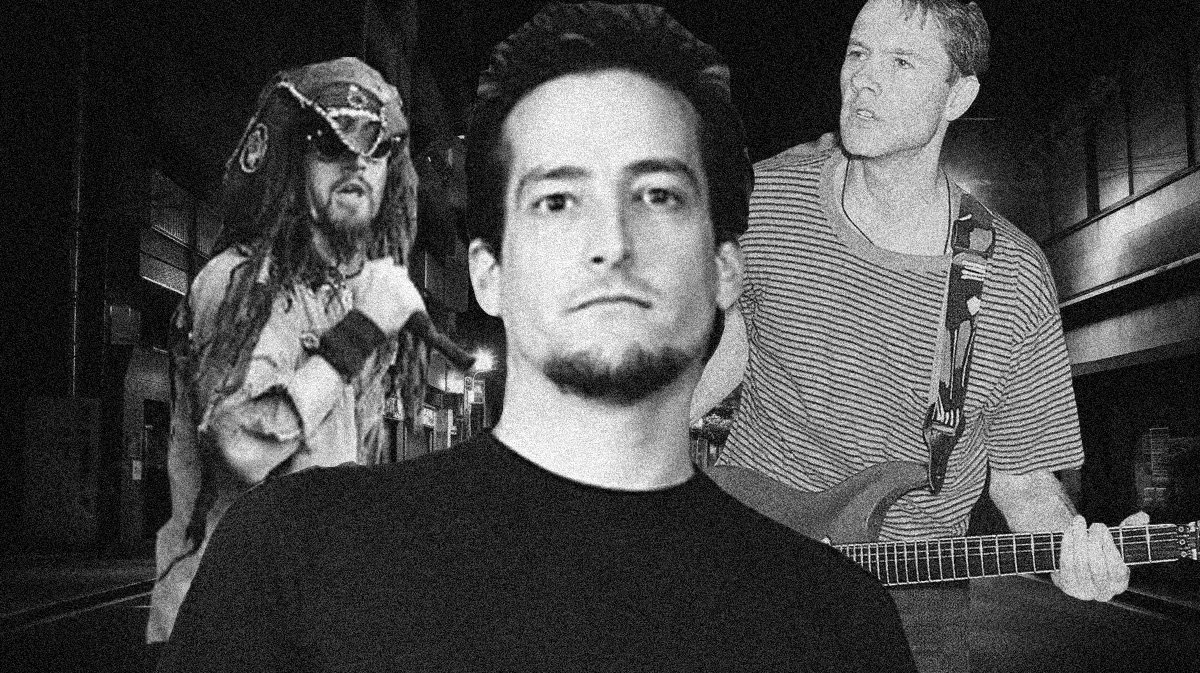
There are two names you need to remember: Mike Patton and John Zorn.
I'm sure these two would be ferociously against the idea that they've invented avant-garde metal, but they’ve laid the ground rules for what it would become. The former has the clearer ties to metal. Patton became the frontman of alternative metal outliers Faith No More in 1988 and almost immediately the band started experimenting with form, blending funk and hip-hop into their sound. But Patton's passion project Mr. Bungle was already testing the fortifications metal claimed to be built on.
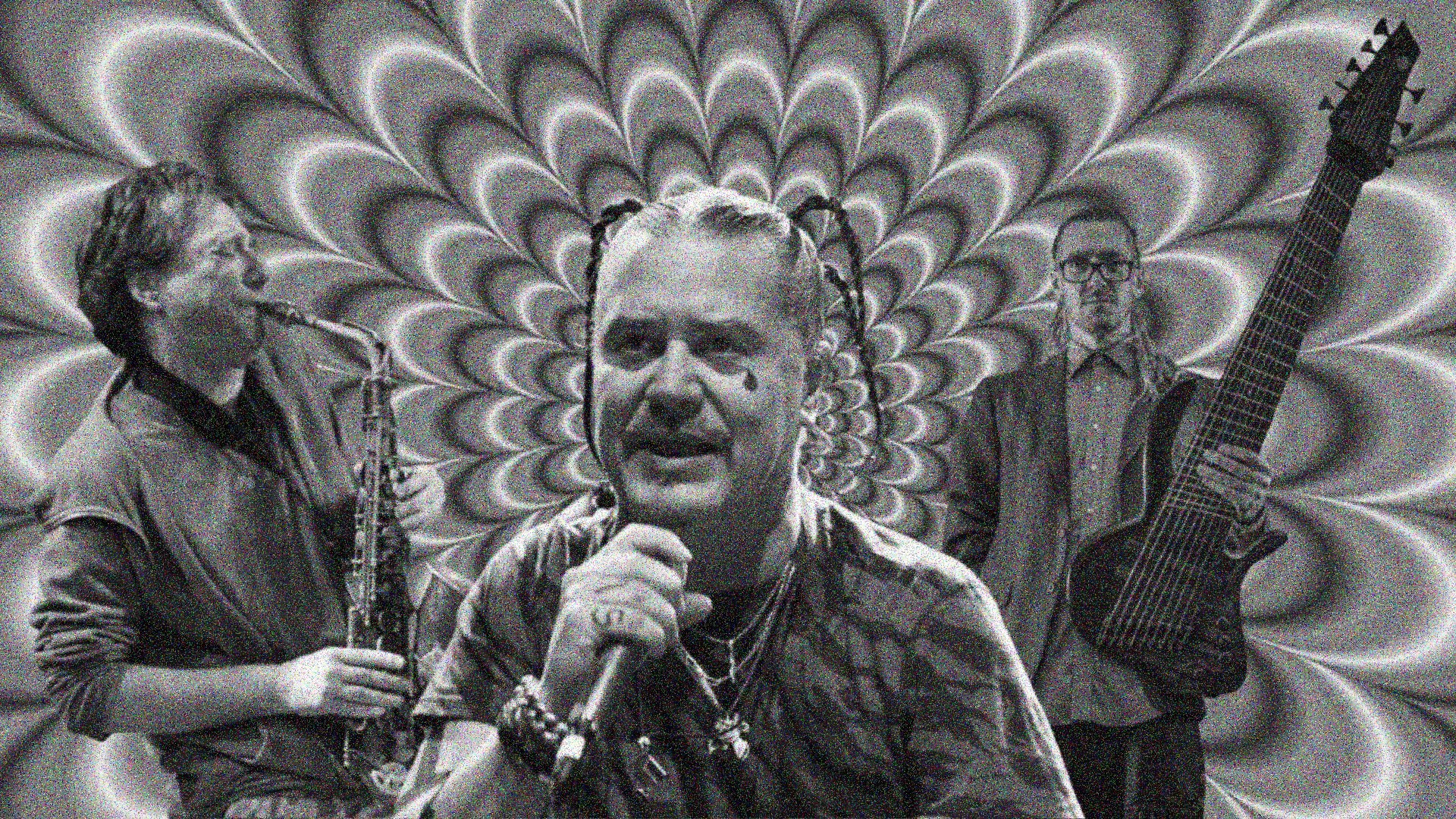
Mr. Bungle initially called themselves death metal, but they always were a little bit of everything: speed metal, thrash metal, hardcore punk, experimental rock, samba, whenever you thought you had them figured out, they became something else. Sometimes on the same record. Sometimes in the middle of a song. Well, often in the middle of a song. They were (and still are) tricksters in the Wagnerian sense of the term. You could argue they’re not a metal band at all, and that argument would hold.
But it would also miss the point. If you listen to their 1996 masterpiece Disco Volante, you will constantly change your mind as to what the hell this actually is until you give up. Mr. Bungle's music is actively rebelling against the idea that it's just one thing. At some point, you stop trying to figure out what it is and just accept that it won’t settle into anything stable. And that shift, from analysis to surrender, is where the music finally starts to make sense and be fun.
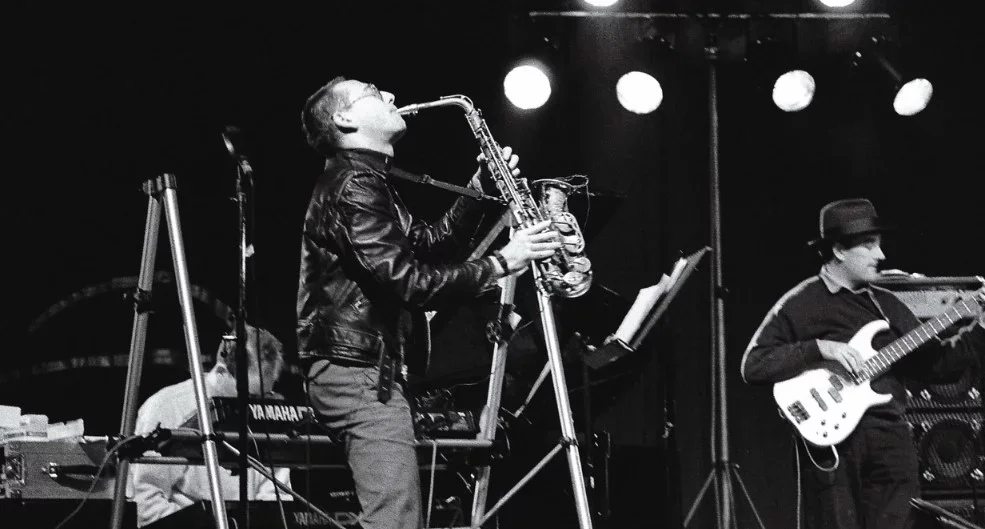
Where does John Zorn fits in this? He produced Mr. Bungle's self-titled debut record and I suspect he influenced the band quite a bit. He's a saxophonist and a composer who's involvement with metal and grindcore (see Napalm Death's influence above) revolved around two projects: Naked City and Painkiller. The former was meant to "test the limitations of what a rock band can do", the second one blended the hectic freedoms of grindcore and free jazz.
Distortion, blast beats, saxophone shrieks, none of it is anchored. It’s all motion, all volatility. Radical freedom, like Sartre would call it.
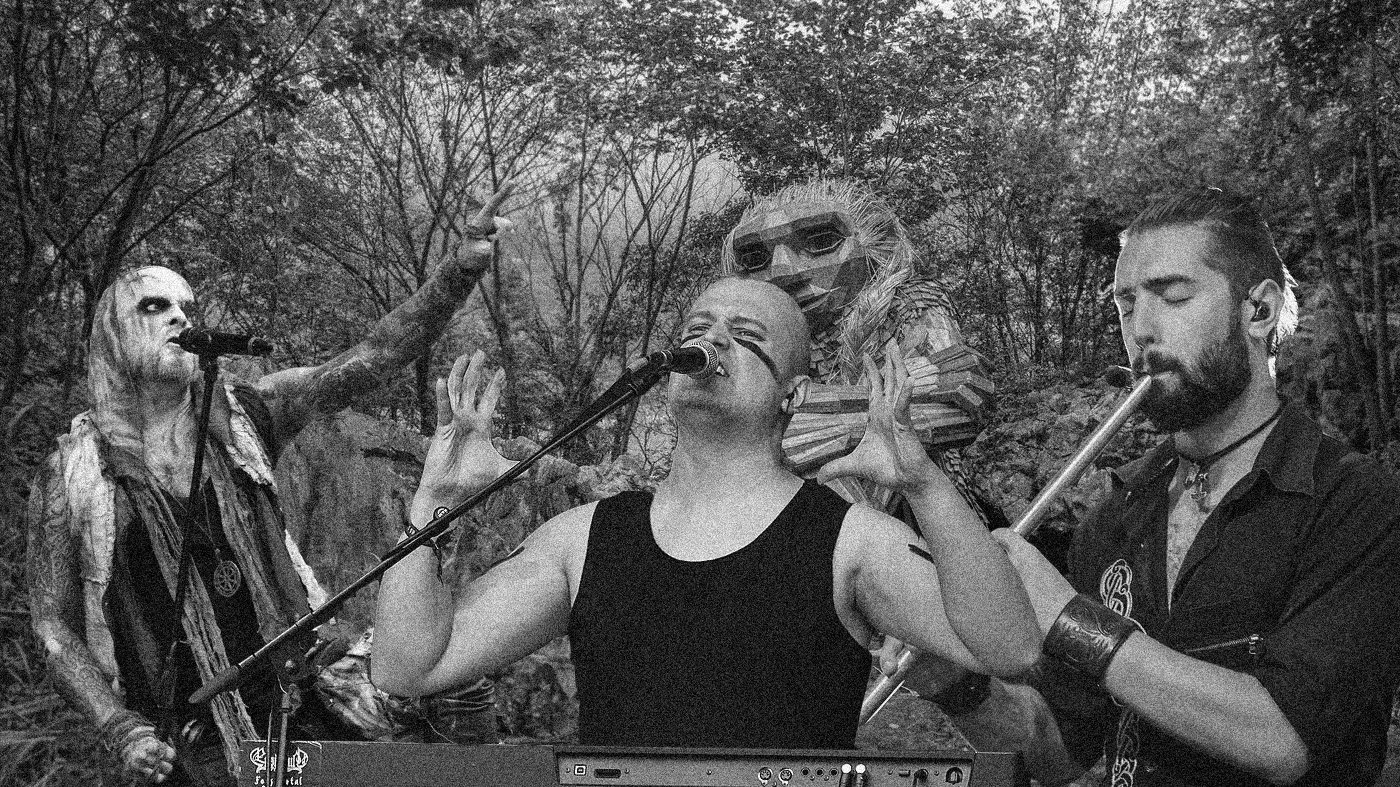
Now, these two guys have laid a blueprint for avant-garde metal that is still valid today. Unpredictability, transmutability and the obsession with breaking patterns became the operational guidelines. Now, some bands have taken an unrepeatable creative paradigm like Arcturus, from Norway. Rooted in a distant black metal past, it evolved into some type of cosmic, disco metal that develops a life of its own with every record outthere. They are telling cohesive story through an ever changing music.
Same goes for Liturgy, which sounds like 30 styles crammed in one. The sound is dense, overdetermined, constantly threatening to collapse under its own ambition and I mean that in the best possible way. Unexpect from Canada were more children of Patton and Zorn than the aforementioned Arcuturus and Liturgy. Their music unfolds like a series of diabolical set pieces, anchored by piano, violin, theatrical vocals, and the unmistakable bass work of Chaoth, which seems to operate under its own logic entirely.
They’ve been gone since 2013, but that almost reinforces their status. Unexpect doesn’t feel like a band that could exist indefinitely. It feels like something that had to burn out once it reached a certain level of complexity. And in that sense, they might be one of the purest expressions of what avant-garde metal tries to be: music that can’t stabilize without losing its reason to exist.
That's it really. That's what the style has been for a long time and bands either stick to it or swerve into another subgenre like post-metal or whatever. There are other avant-garde metal bands still active today like Maudlin of the Well (who have just gotten back together), The Devin Townsend Project, Blut Aus Nord and I believe you can put Buckethead in there as well. The key thing to remember is that these artists either have an inimitable thing going or they are just interested in completely changing their sounds from record to record.
That's what I mean when I say that avant-garde metal resists history. It's not interested in evolving. It's interested in deconstructing whatever does and very few bands are fully committed to it. So, it happened and it’ll always be around to a certain extent. It has no set form, but you'll recorgnize it when you hear it.
Before leaving, here seven songs to get you into avant-garde metal.
Celtic Frost - Mexican Radio : The first self-aware avant-garde metal song. It's quite unspectacular compared to what woulds come after, but you can already hear that it's nothing precise. It's metal fighting against its own constraint. Fun fact, it's also a cover. So, Tom G. Warrior was probably quite self-aware too about metal's limitations.
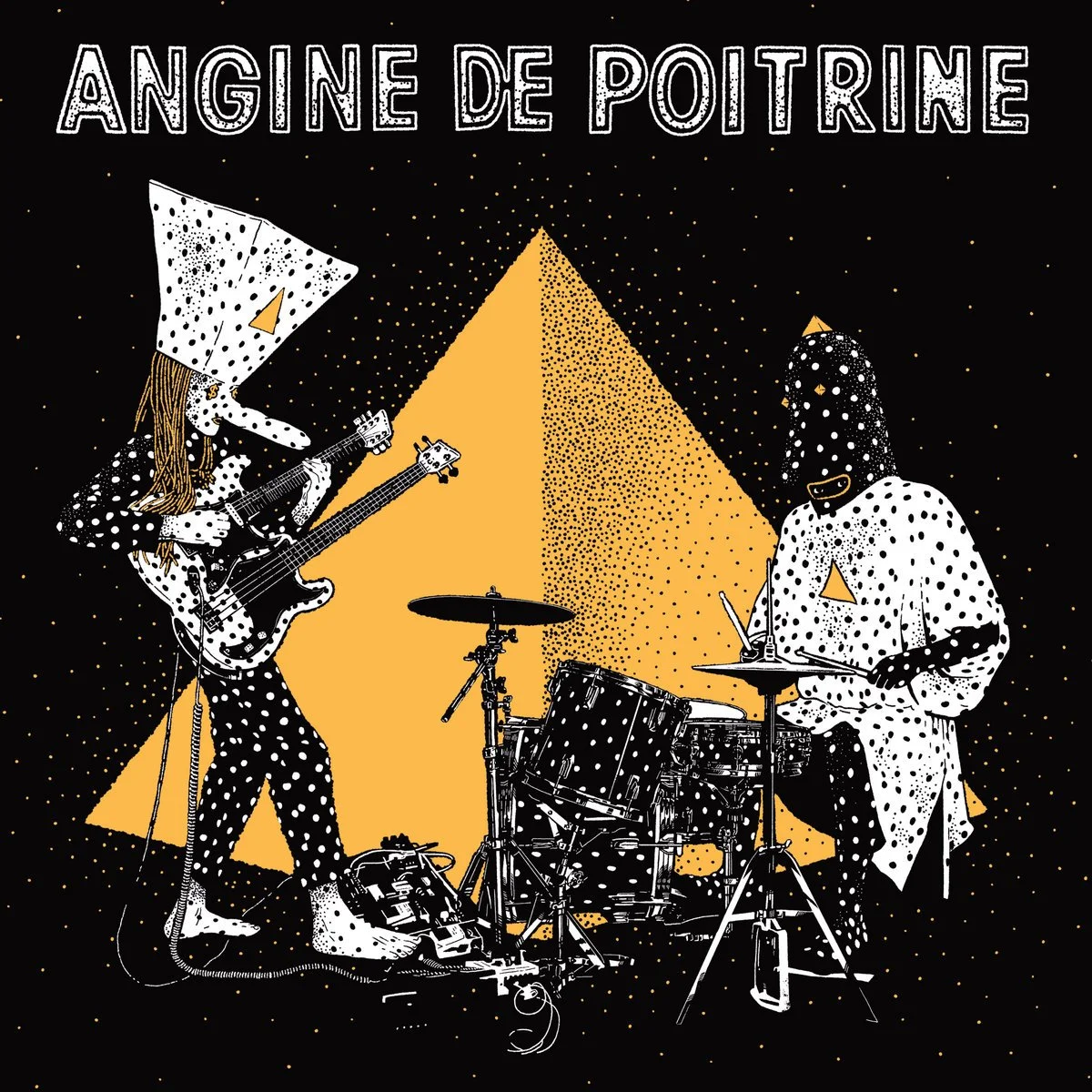
Painkiller - Trailmarker : John Zorn, ladies and gentlemen. I don’t know what else to say than you can hear that the was aggressively against the idea of conventions in music.
Mr. Bungle - Carry Stress in the Jaw : Sometimes it’s metal. Sometimes is isn't. It's a slippery eight minutes, but it's undeniably avant-garde. It's like a perpetual motion machine that keeps changing its opinions.
Unexpect - Desert Urbania : The song title is a contradiction in itself unless you think this song is secretly about Las Vegas. I mean you can hear how aggressively idiosyncratic the music is. It sounds like the dreams you make when you ride flying fishes with George W. Bush.
Mamaleek - Tegucigalpa : I hesitated to put them in here because you could argue that they're noise rock, but Mamaleek has been kind of metal at least at some point in their career and they keep reinventing themselves with every record. I wanted a more contemporary example and that's the closest thing I have.
* Follow me on Instagram , Bluesky and Substack to keep up with new posts *