A Subjective History of Dungeon Synth
Every self-respecting family has one cousin nobody wants to sit beside at Christmas.
Sometimes he’s an unstable young man with a knife collection. Sometimes he’s a bitter dork who's never gotten over high school. Sometimes he’s surrendered his entire personality to whatever lifestyle, ideology or nutritional supplement he believes rescued him from burnout.
In the beautiful, dysfunctional and intermittently homicidal family of black metal, that cousin is dungeon synth. Except dungeon synth is not the dangerous one. Dungeon synth is the responsible adult who has been running the same Dungeons & Dragons campaign since 1994 and will happily spend forty-five minutes explaining the taxation system of an imaginary kingdom.
Dungeon synth is not metal. But it remains inseparable from metal because metal created the psychological conditions that allowed it to exist. Without black metal’s obsession with medieval ruins, enchanted forests, ancient bloodlines and extremely serious men wearing nothing but leather pants in extremely cold weather, dungeon synth probably never becomes a genre.
You could call it metal’s unwanted offspring, although that makes the relationship sound more accidental than it really was. Dungeon synth is absolutely metal’s child. It simply grew up, moved into the basement and decided the synthesizer was more interesting than the sword.
So what exactly is dungeon synth? The answer depends on whom you ask, but the pseudo-canonical definition involves one person, one synthesizer and the unmistakable sensation that something magnificent has been lost to time.
Dungeon synth is not simply medieval music played on cheap keyboards. If you sound like you’re performing beside a turkey-leg vendor at a Renaissance fair, you’re doing it wrong. You need to sound like an immortal wizard sitting alone in a cave, remembering a civilization that disappeared eight hundred years ago and realizing he is now the only living creature who remembers what its streets looked like. It’s music that is purely conceptual and you need to accept the concept to enjoy it.
This is an absurdly precise emotional assignment for music that often sounds like it was recorded on a keyboard purchased at a garage sale. But every self-respecting dungeon synth artist understands it instinctively. The music cannot merely evoke the past. It has to mourn a past that never existed. It’s hard to explain, but you recognize it when you hear it. It has an inimitable texture. A feel to it.
Here’s my subjective history of dungeon synth
The Original Synth Nerds
There was something resembling dungeon synth before dungeon synth officially existed.
It is usually called DIY fantasy synth and it sounds much closer to what the kids who had their heads shoved into toilets in high school might create once they acquired disposable income and access to a four-track recorder.
These early fantasy-synth nerds nevertheless understood the haunted emotional frequency that gives the genre its mysterious appeal. Their compositions were generally fuller and less desolate, sometimes incorporating acoustic instruments alongside the keyboards, but they possessed the same strange distance from reality. The music sounded as though it had been transmitted from somewhere unreachable: an abandoned castle, a forgotten role-playing game or the private cosmology of a man who had stopped expecting anyone else to understand him.
DIY fantasy synth was not dungeon synth aesthetically. But spiritually, it was already underground, holding a torch and staring at symbols carved into the wall.
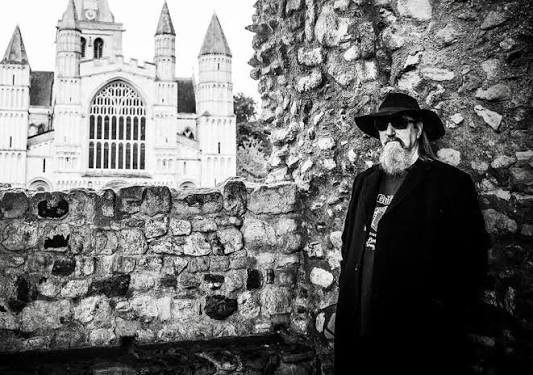
Unsurprisingly, these musicians were heavily influenced by synthesizer titans like Tangerine Dream. Among the more notable weirdos were Emerald Web, Mike Rowland, Kevin O’Neill, George Garside, Martin Kornberger & Volker Kuhn. But the only name that truly matters to the eventual birth of dungeon synth is Jim Kirkwood. He was technically the first dungeon synth artist. Well, he got 97% of the way there.
His compositions were generally too elaborate, too active and too populated by ideas to qualify as dungeon synth in its purest form. Dungeon synth needs empty space. It needs to feel as though half the musicians died centuries before the recording session began. Kirkwood had always too many people wandering around the castle. But it doesn’t mean his music isn’t great. His 1991 album Master of Dragons is often cited as a preamble to dungeon synth. He's also the perfect gateway artist into the genre.
Kirkwood reissued several of his early records a few years ago, and they remain every bit as excellent as they are profoundly nerdy. Uruk-Hai, Souls That Dance on the Edge of a Sword, King of the Golden Hall and Where Shadows Lie are all worth your time, but honestly, anything with Jim Kirkwood’s name on it tends to slap. He is quite influential even to this day.
The man has been recording music almost continuously for close to forty years, which is impressive even before you consider that much of it concerns forgotten kingdoms, spectral horsemen and the emotional burden of possessing forbidden knowledge. Apparently, Kirkwood still appears at occasional shows in the U.K, and he is now well into his seventies. There is something comforting about this.
And Then Darkness Came
So how did dungeon synth and black metal become best friends in the first place? Glad you asked.
One of the earliest crucial points of contact was Samael’s 1991 debut, Worship Him. The album featured synthesizers, but not in the way dungeon synth eventually would. There were no courtly melodies, no phantom lutes and no suggestion that an immortal wizard was about to explain the collapse of his kingdom. The keyboards were minimalist, ambient and primitive: long, lingering notes suspended behind the riffs like fog that had somehow learned to hate Christianity.
This was important. Samael demonstrated that keyboards could do more than make black metal sound grandiose. They could create distance. They could suggest that the music was happening somewhere ancient and unreachable, beyond the immediate violence of the guitars. Worship Him did not build the dungeon. But it connected the raw occult atmosphere of black metal with the spectral isolation of DIY fantasy synth. The walls were not standing yet, but somebody had found the cave.
The bloodline finally became obvious in May 1992, when Emperor recorded their first demo, Wrath of the Tyrant. It begins with a primitive fantasy-synth introduction before collapsing into some of the filthiest black metal ever captured by recording equipment. The keyboards appear only sparingly afterward, but the conceptual breakthrough was already there. The synthesizer was no longer decorating the music. It was opening the door into the world where the music supposedly came from.
Dungeon synth was not officially born on Wrath of the Tyrant, but it drew its first horrible little breath.
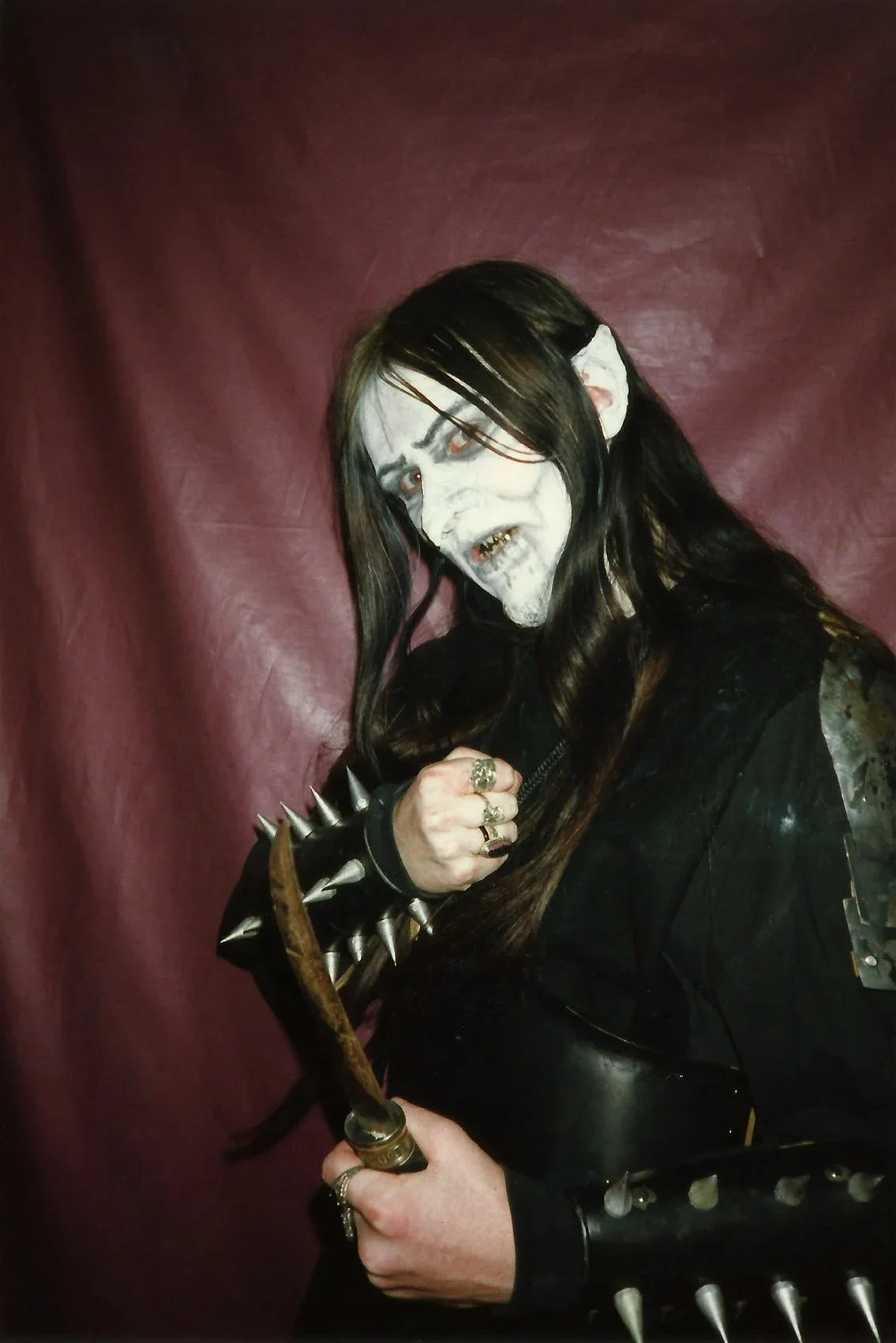
Emperor’s bass player at the time was a man named Håvard Ellefsen, better known as Mortiis. He apparently did not compose the introduction (that credit belongs to Samoth) but historical importance is not always the same thing as authorship. Sometimes it means being the one person in the room who understands what should happen next. Emperor would eventually incorporate synths to their song structures and pioneer symphonic black metal with their album In the Nightside Eclipse.
Upon leaving Emperor, Mortiis took the fantasy-synth interlude thing and turned it into his entire personality. His 1993 demo The Song of a Long Forgotten Ghost is the more convincing birth certificate for dungeon synth as an independent genre. If Mortiis is its Chuck Berry, it is not because he was the first person to touch a synthesizer. It is because he was the first to understand that texture and feel was not background meant to create atmosphere. This was the thing itself.
Between 1993 and 1999, Mortiis released six full-length recordings and the Blood and Thunder EP, all devoted to haunted medieval music built from duration, repetition and a cursed melancholy he unfolded as though carefully unwrapping an artifact that should have remained buried. He wanted to create music that was divorced from reality.
The music can be disorienting at first. You keep waiting for the distorted guitars and bombastic drums to arrive and crack the songs open. They never do. Mortiis took what had previously functioned as an introduction or extra flare and removed the thing it was supposed to introduce. The anticipation became the entire composition. The melodies drone, circle and echo for what feels like forever. They do not develop so much as accumulate history.
Recorded in 1993 and released the following year, Født til å Herske is the genre’s foundational monument: fifty-three minutes of cheap keyboards carrying themselves with the tragic authority of an orchestra drowning in a ditch. Mortiis toured the album in full across North America in 2024, more than three decades after recording it, because imaginary kingdoms apparently have stronger cultural infrastructure than most real ones.
Along with the 1996 collection Crypt of the Wizard, it is to dungeon synth what the early Black Sabbath albums are to metal. The vocabulary existed before Mortiis, but these recordings established the grammar. Everyone who entered the dungeon afterward was walking through rooms he had already furnished.
Interlude : About the Villain
Let’s not spend too much time on this.
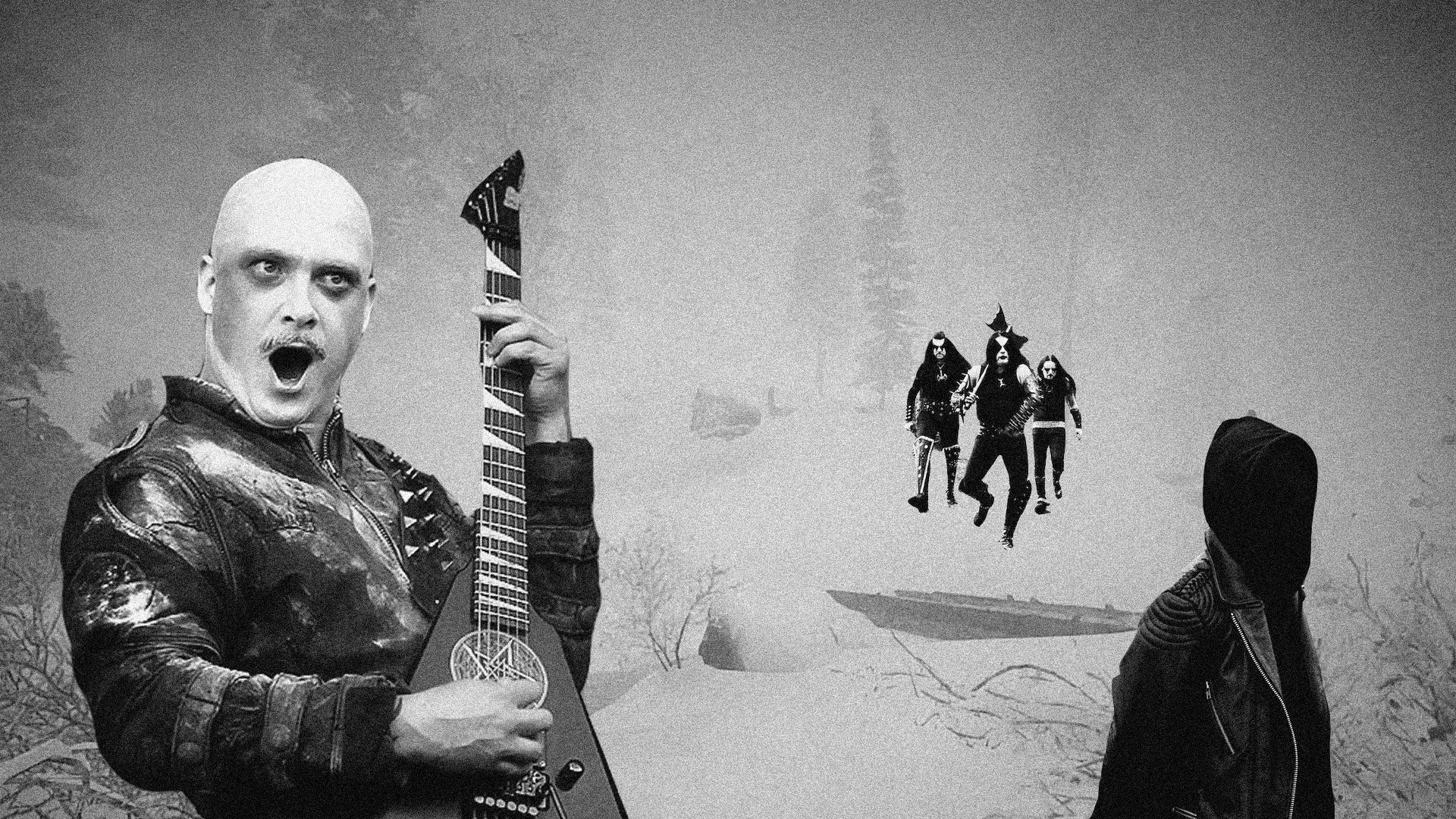
Varg Vikernes was instrumental in popularizing dungeon synth during its formative years. After being imprisoned for murdering Euronymous — the Mayhem guitarist who had released his records and collaborated with him — Vikernes continued recording as Burzum. Because he was not permitted access to guitars or drums, electronic music became his only practical option. In other words, Burzum turned toward dungeon synth because prison had reduced the available instrumentation to one keyboard and an appalling amount of free time.
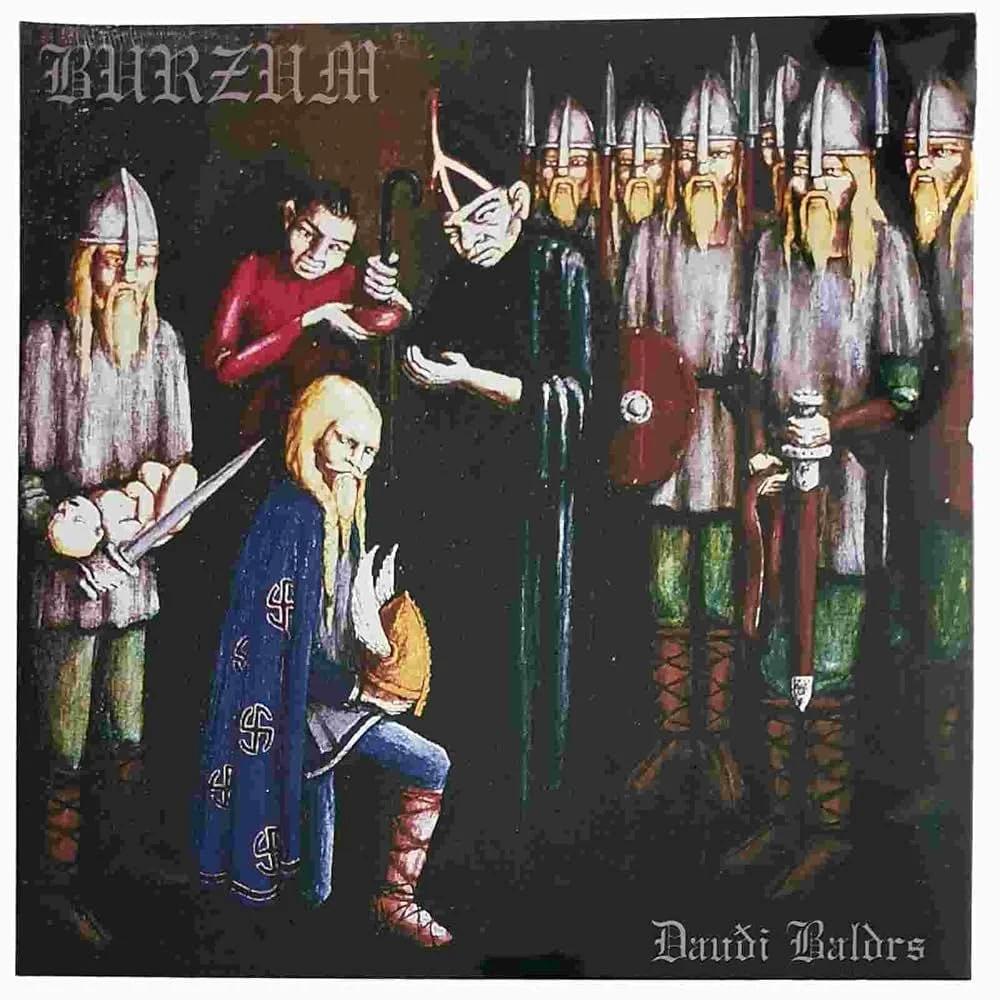
The resulting albums, 1997’s Dauði Baldrs and 1999’s Hliðskjálf, remain two of the genre’s most influential and morally contested records. They are skeletal, repetitive and frequently clumsy, but that clumsiness has become inseparable from their atmosphere. These are recordings made by someone isolated from normal life, using limited equipment to construct an imaginary world in which isolation could resemble grandeur.
Vikernes was and remains a terrible person. Influence is not absolution, and artistic importance is not a character reference. But these albums mattered for a reason. They sounded like the work of a man left alone to rot, and you can still feel that confinement in every ghastly passage and every awkward synthetic trumpet. Sometimes the limitations are the atmosphere.
Whatever you think of Vikernes (and there is no shortage of things to think) his early music was important. When Burzum veered into dungeon synth, it effectively gave every leather-clad black-metal miscreant permission to trade the battle jacket for chainmail and indulge his deepest fantasy-nerd impulses without surrendering credibility.
I dislike typing this, but dungeon synth would probably not be as popular today without the contribution Vikernes eventually abandoned. He was the proverbial cool kid in black metal’s violent, dysfunctional schoolyard. If he decided that cheap keyboards and vague pagan mythology were acceptable, then everyone else could stop pretending they did not own a twelve-sided die.
He is historically important. Here you go, I said it. But he’s mostly a Nazi.
Evolving Against Modernity (But Alongside The Internet)
Now, how did dungeon synth become an actual scene?
First, it should be understood that nobody called this music dungeon synth when it was originally being made. Mortiis used the phrase "dark dungeon music", but the recordings we now recognize as foundational were scattered across black-metal side projects, dark ambient, fantasy synth and various private keyboard obsessions pursued by men who probably did not expect anyone to assemble them into a coherent historical movement.
The name arrived after the music.
On March 17, 2011, Andrew Werdna published the inaugural manifesto on his Dungeon Synth blog, defining the genre as primitive, forgotten music emanating from ancient crypts and places sensible people avoid. It was magnificently overdramatic, which meant it was also completely correct. Werdna did not invent dungeon synth, but he gave it a name, a canon and a sufficiently haunted set of property lines.
Before Werdna planted his flag, the lineage was difficult to follow. Mortiis, Burzum, Wongraven, Depressive Silence and dozens of even more obscure projects clearly shared an atmosphere, but nobody had established exactly what connected them. The idea had been accumulating for almost twenty years without becoming fully conscious of itself. Summoning were also extremely influential in blending dungeon synth and black metal even further than it already was.
Werdna (the closest thing dungeon synth has to an official scholar) looked backward and transformed a collection of isolated recordings into a tradition. This is how many internet genres are actually born: not when someone first makes the music, but when another obsessive finally creates a blog explaining why it has secretly existed all along.
Plenty of projects flickered into existence and disappeared without changing much of anything. The scene truly came alive when internet musicians stopped merely excavating the pioneers and began making new music under the dungeon synth name. Once people knew what the genre was called, they could finally become self-conscious participants in it.
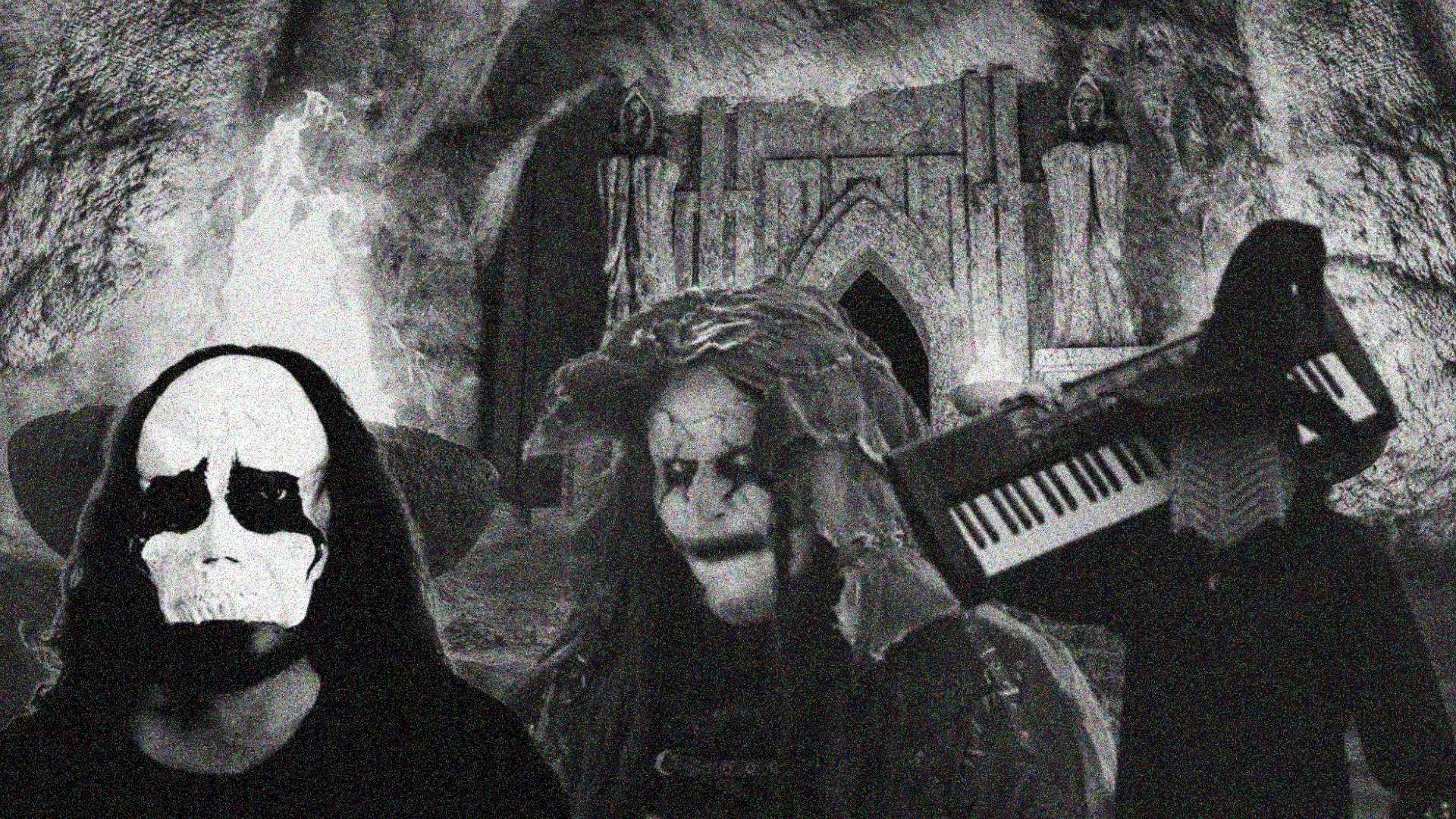
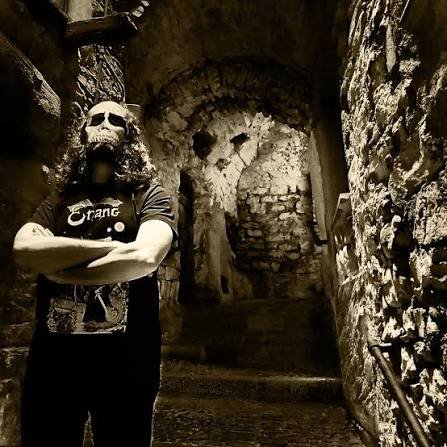
Lord Lovidicus was already standing near the entrance with 2011’s The Stars Reflect an Ancient Magic, but Erang became one of the first major personalities of the revival. Emerging from France in 2012, the mysterious skull-masked musician claims to be influenced as much by Tolkien as by his own childhood and nostalgia for people, places and experiences that no longer exist. That tracks. Dungeon synth is haunted music for haunted people,and nostalgia is a haunting where the ghost is yourself.
The internet also recovered older projects such as Lunar Womb, whose recordings Planets and The Astral Grief possessed the appropriate gloom, distance and supernatural mildew. They had been part of the lineage all along. The genre simply had to invent itself before anyone knew where to file them.
Hedge Wizard’s 2014 album More True Than Time Thought sounded gnarled, ancient and weirdly organic, as though its keyboards had been constructed from damp wood. Vindkaldr’s 2015 Enchantments of Old Lore took the opposite approach, using minimal movement and enormous caverns of reverb to create one of the revival’s modern classics. It barely seems performed. It feels summoned.
Chaucerian Myth transformed The Canterbury Tales into an enormous musical companion piece, assigning each story its own combination of medieval folk, Gregorian chant, ambient drone and synthesized fantasy. It is music you can play while reading Chaucer, which might be the most dungeon synth solution imaginable to the problem of reading Chaucer.
Then the walls started expanding. Thangorodrim made Tolkien worship sound genuinely dark and monumental. Old Tower returned the genre to witchcraft, ruined castles and the suspicion that something with antlers was watching you from beyond the torchlight. Vaelastrasz borders on ambient. Fief abandoned the crypt almost entirely, introducing a brighter and more melodic sound built around court musicians, bustling taverns and the medieval fantasy of living somewhere without email.
Some artists made the dungeon darker. Some furnished it. Some opened a tavern upstairs. Each of them brought a different stone, and eventually there were enough stones to call it a scene.
Post-Dungeon Synth
Dungeon synth has now existed long enough to mutate beyond its original principles.
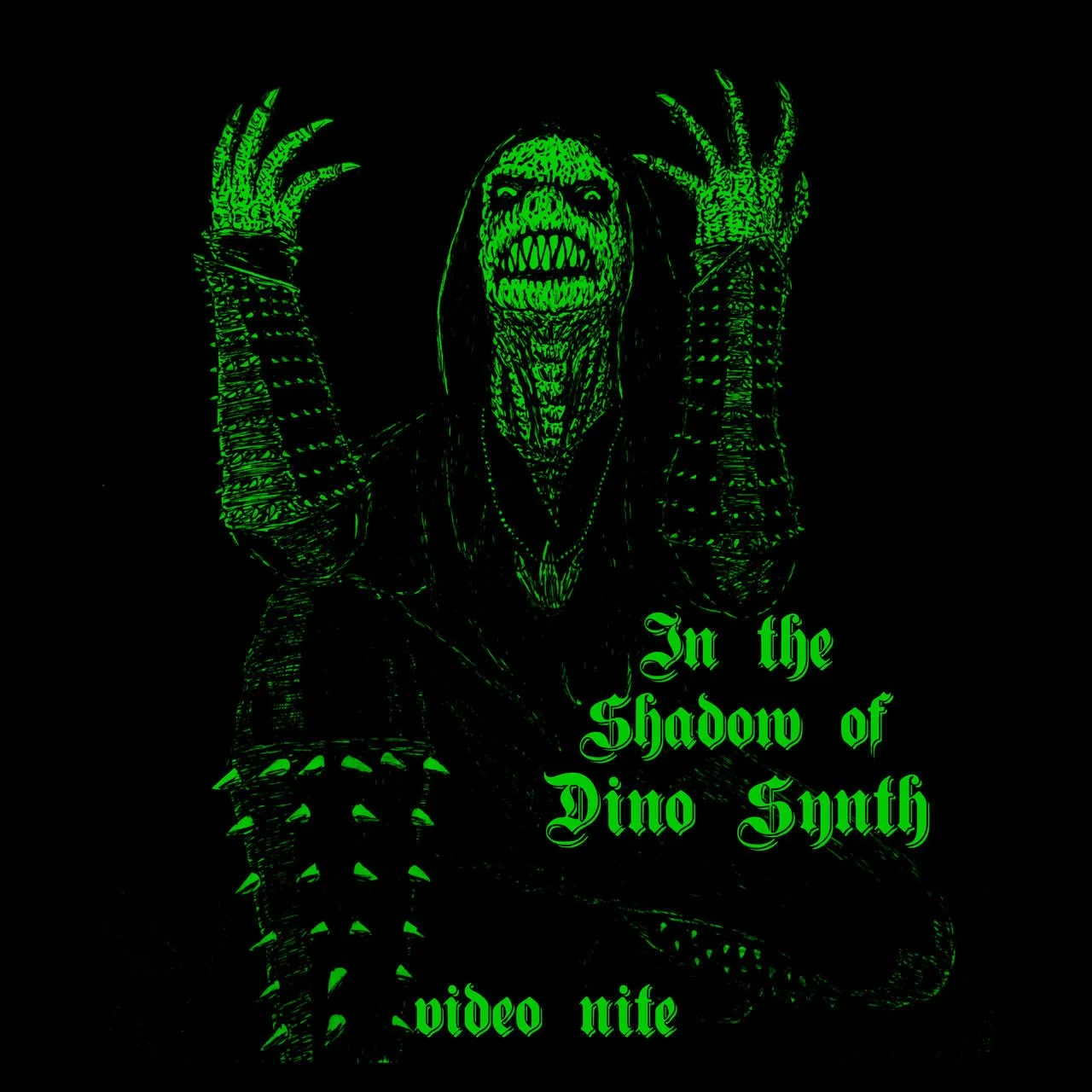
Once the genre had been named, documented and converted into a functioning internet community, its artists began asking increasingly specific questions. What if the dungeon were comfortable? What if it existed during the Jurassic period? What if somebody installed a drum machine and turned it into an illegal nightclub?
Comfy synth was popularized by Grandma’s Cottage, whose 2019 self-titled album abandoned haunted ruins for warm kitchens, childhood bedrooms and the slightly distorted memory of being safe. Projects such as Tiny Mouse, The Friendly Moon and Goose Mother followed the same emotional trail. Traditional dungeon synth makes you feel the call of an adventure that may have happened centuries ago. Comfy synth brings you backward to a simpler time when someone else prepared your meals and your greatest responsibility was not losing a toy. It is nostalgia stripped of historical ambition: less The Lord of the Rings, more remembering the exact carpet pattern in your grandmother’s living room.
Dino synth also takes you backward, except it overshoots childhood by approximately sixty-six million years. Popularized by projects such as Diplodocus and Synthosaurus, it replaces castles, wizards and forgotten kingdoms with primeval jungles, synthetic orchestras and the distant roar of creatures incapable of understanding what a mortgage is. It sounds ridiculous because it is ridiculous, but the central impulse remains pure dungeon synth. It uses cheap keyboards to mourn a vanished world that no living person can remember.
Keller synth is the basement-rave mutation. Artists such as Sigfrid (particularly through projects like Grollfried), Hexenmeister and Opiated Devilsperm keep dungeon synth’s primitive keyboards and occult imagery but add blown-out production, aggressive percussion and the deranged momentum of a black-metal demo attempting to become dance music. Traditional dungeon synth sounds like an immortal wizard remembering the fall of his civilization. Keller synth sounds like that wizard has taken something from a stranger and is now dancing beside the furnace.
It doesn’t look like fun. It frequently doesn’t even sound like fun. But somehow, it is.
There are also more literal mutations: genres that preserve dungeon synth’s emotional logic while changing its physical texture.
Dungeon noise buries the melodies beneath distortion, tape damage and electronic filth. Sharku Ogh was an early practitioner, making music that sounded as though the dungeon had collapsed and the recording equipment was still running underneath the rubble. Dungeon drone removes nearly everything except duration and dread, stretching a handful of notes across enormous empty spaces. Idylls of the Last King even released an album simply titled Dungeon Drone, because subtlety becomes unnecessary once you have accurately named the exact cave you occupy.
Dungeonwave introduces synthwave, horror-score electronics and the possibility of rhythm. Chip synth goes even further into technological nostalgia, with artists such as Kobold using 8 and 16-bit sounds to transform the genre into the soundtrack of a role-playing game you vaguely remember renting in 1992. Dungeon rap, pioneered by Ukraine’s DJ Sacred, combines the haunted keyboards with Memphis-rap vocals and lo-fi hip-hop production. It sounds like someone discovered a cursed mixtape behind a false wall in Dracula’s basement.
Cosmic synth takes the fantasy adventure into space. L A N D S R A A D is one of its clearest flag-bearers, using Dune as the foundation for music about distant empires, desert planets and people making disastrous political decisions several thousand years from now. Atrium of Time takes a stranger route, sending fantasy synth into the dying, dreamlike future of Gene Wolfe’s Urth. The castle becomes a spaceship, but everyone remains profoundly haunted.
Forest synth and nature synth move in the opposite direction, replacing architecture with birdsong, running water and the suspicion that the trees know something about you. Alloch Nathir’s The Emerald Grotto is a modern forest-synth classic, while Tales Under the Oak has built an entire amphibious mythology around bogs, toads and woodland folklore. Dungeon synth escaped the castle and immediately got lost in the woods.
At this point, almost anything you can imagine probably has a synth genre attached to it. Bog synth. Mushroom synth. Pirate synth. Winter synth. Pumpkin synth. There are likely three cassettes about a melancholic goblin who manages a lighthouse, and one of them is probably excellent.
The dungeon is no longer a place.
It is a suffix.
Here are five songs to help you famliarize with dungeon synth. Don’t worry, I won’t get TOO nerdy.
Jim Kirkwood - On the Edge of Reason : This is closer to gothic electronica than dungeon synth proper. Kirkwood himself described his music as gothic electronic and the composition is too rich, busy and technically alive to meet the genre’s later preference for barren repetition.
But the overpowering synthesizer line and the sheer richness of the imaginary world are impossible to deny. Kirkwood does not merely suggest a fantasy setting. He seems to know its geography, political history and current weather conditions.
Mortiis - Født til å Herske Part I : The desolation is what makes it striking. The solitude. The overwhelming sensation that something magnificent happened here long ago and everyone involved has been dead for centuries.
Its length is essential. The melody repeats until it stops feeling like a composition and begins behaving like a memory, something incomplete that keeps returning because it has nowhere else to go. You wait for distorted guitars or thunderous drums to break the spell, but they never arrive. There is no payoff. There is only the haunted landscape and the uncomfortable realization that Mortiis intends to leave you there.
Erang - Funeral for Erang : Dungeon synth played on guitar. That sounds like a contradiction, but it works because Erang understands that the genre has never truly been about synthesizers. It is about repetition, distance and the sensation that you are hearing something after it has already disappeared.
The guitar is played with complete respect for that tradition. The melody unfolds slowly, without virtuosity or conventional rock dynamics, while the self-consciously grainy production makes every note sound weathered and forlorn. It could have been recorded yesterday or recovered from a cassette left beside a grave twenty years ago. This is formal innovation without rebellion. Erang changes the instrument but preserves the haunting. The dungeon was never the synthesizer. It was the feeling.
Old Tower - Moonchamber : Moonchamber is profound without explaining itself. Its slow, spectral movements create an atmosphere of mystery and impending consequence, as though merely listening has violated some ancient agreement. You do not know what happened here. You only know that whatever remains has noticed you. That feeling of trespassing is one of dungeon synth’s essential qualities. The best recordings do not invite you into their worlds.
They make you regret finding the entrance.Old Tower takes a less comprehensive and more intuitive approach. The music does not describe an entire kingdom or provide enough detail to reconstruct its mythology. It gives you one sealed room, one extinguished torch and the immediate certainty that you were never supposed to enter. They make you regret finding the entrance.
Opiated Devilsperm - Hvmpty Dvmpty Crakkhead : Same sonic principles. Entirely different paradigm. The keyboards are primitive, the production is filthy and the melody feels like it originated somewhere outside respectable society. This is Keller synth at its most effective: dungeon synth’s lo-fi textures and medieval absurdity repurposed as basement-rave music for maladjusted black-metal weirdos. It is abrasive, ridiculous and somehow extremely catchy.
There is probably a more intellectually responsible way to explain why this belongs here. But honestly, it is an all-time synth banger.
* Follow me on Instagram , Bluesky and Substack to keep up with new posts *