Movie Review : Noroi: The Curse (2005)
* a suggestion by Frédérick Maheux *
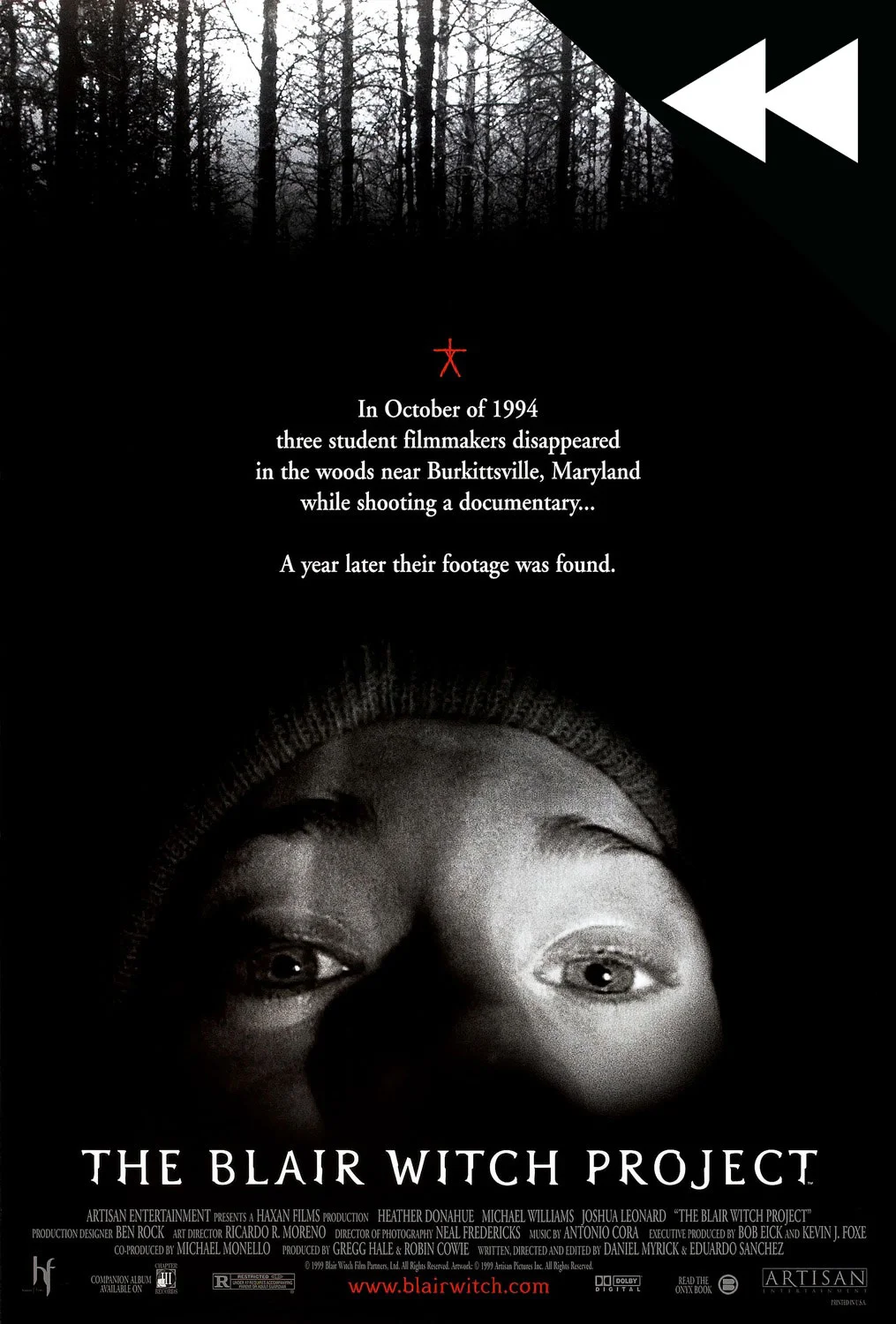
You had to be alive in 1999 to understand. The trailer for The Blair Witch Project dropped on us like a nuclear bomb. Google existed then, but no one knew how to use it properly and there was a collective gullibility that doesn't exist anymore. Before they became a subgenre of horror, found footage films felt like they could be real and that possibility was good enough to keep us awake at night. It somehow felt irresponsible to question the terror of people who presented themselves to be real.
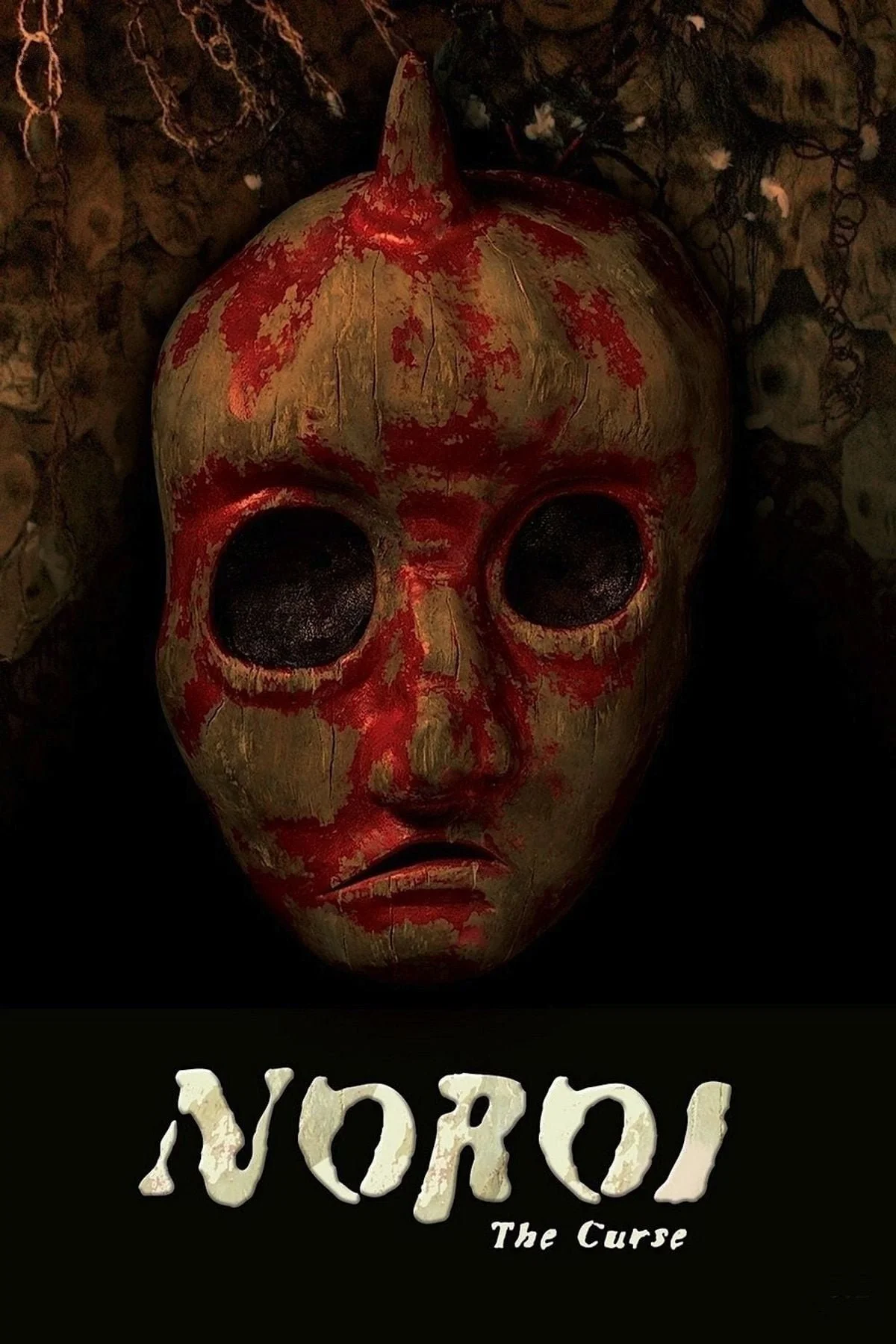
By the time Koji Shiraishi's Noroi : The Curse came into existence, everyone understood what found footage films were and it somehow manages to be exponentially more terrifying than The Blair Witch Project was in 1999. Because it is not real, but it perversely feels like something that could happen.
Noroi : The Curse tells the story of a paranormal researcher named Kobayashi (Jin Muraki) who disappeared during the production of a documentary called The Curse. His house burned down and the cadaver of his wife was found in the rubble. A brutal ordeal. The tapes left behind shows Kobayashi investigation a woman named Junko Ishii (Tomono Kuga) after a neighbor heard the sound of crying babies from inside her house. It’s the kind of thing Ghost Adventures would stretch into a season finale, but here it's just the start.
The Art of Turning Your Brain Against Itself
This movie is legendary for being utterly terrifying and it more than lives up to its reputation. Holy fuck, I’ve spent the last half hour trying to yell the fear away like a nineteenth century peasant who has to hit the latrines after dark. Noroi : The Curse is very clever about the way it chooses to terrify you. It first suggests something totally implausible like a demonic curse that makes you think it's cute for even trying. Then it gives you exactly what you expect: a woman writhing on the ground during a Shinto exorcism, the kind of horror image you’ve seen a hundred times before. Something familiar. Containable.
Then it flips the script on you. You thought you figured out what the curse was, but you didn’t. Once Kobayashi and Marika get close to where the possession episode happen, they realize at the same time as you are, that everything else is cursed. That it acts like an airborn poison that makes people destroy themselves. If you get in contact with that invisible, all encompassing evil, it will either devour you or figure out a way to make you disappear. Every time you think that you’ve figured it out. it gets worse. That thing hates humans and demands blood.
Noroi : The Curse weaponizes your own expectations and horror vocabulary against you. Every assumption you make feels reasonable at the time, which is exactly why it works. You think you’ve seen this before. You think you know where it’s going. A movie like Hereditary pulls the rug hard once and leaves you stunned. Noroi does it over and over again, starting with footage that looks like it could have been lifted from a ghost hunter reality show. It lets you build a version of the story that makes sense, then quietly moves away from it, one detail at a time, until you realize you’re no longer dealing with something that wants to be understood.
By then, you’re already too deep in it. And that’s what makes it more than just smart horror. It’s storytelling that knows exactly how much you need to believe before it takes that belief away.
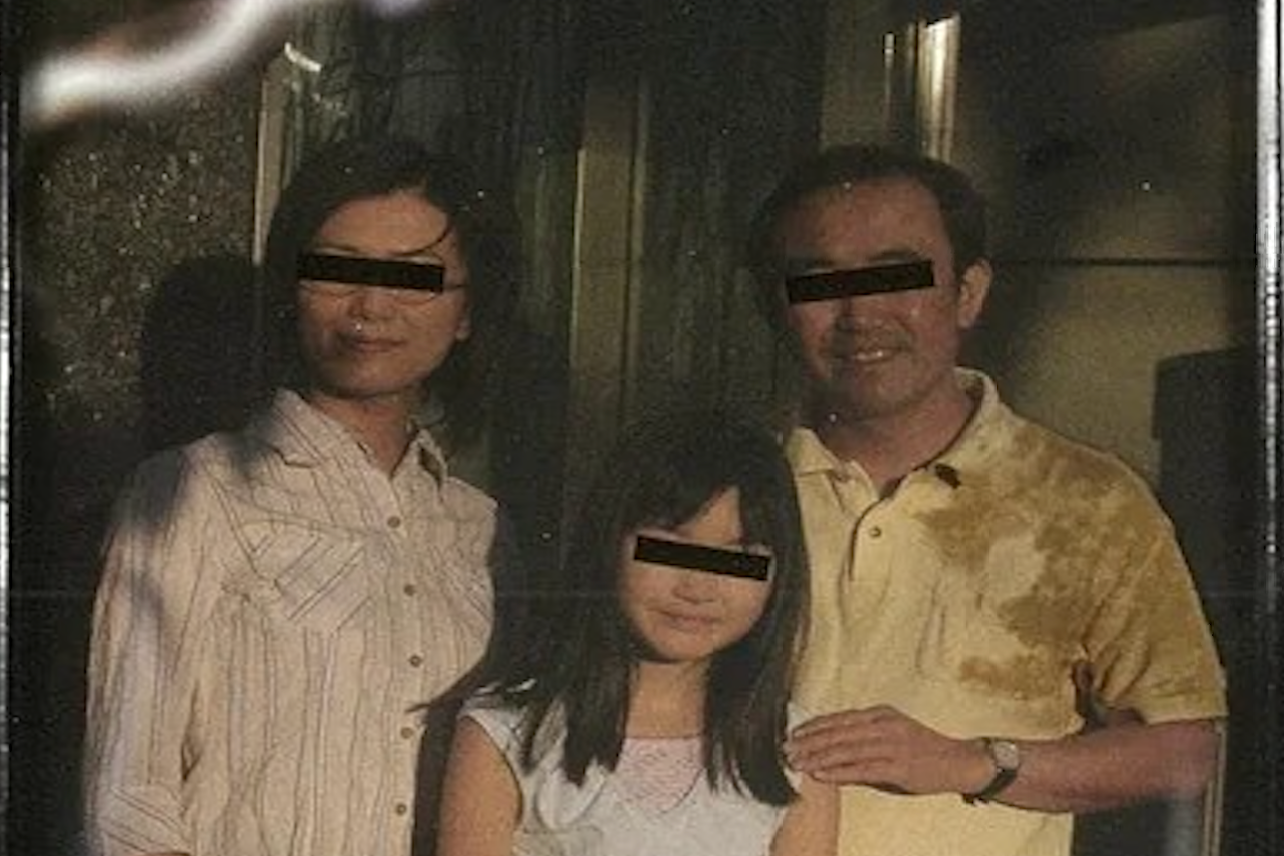
The Cosmic Stench of Ignorance
Noroi: The Curse is essentially Kobayashi documenting his investigation like a case study, assembling footage, interviews and patterns as if the right combination of evidence could make sense of it. That approach is a big part of why the movie is so unsettling. It treats the curse like a problem that can be solved, something that can be mapped out if you just collect enough data. And for a while, it almost works.
Connections start to form. The pieces begin to line up. You feel like you’re getting closer to understanding what’s happening, like there’s a system behind all of this. And then the film not so quietly shows you how fragile that confidence is. Because it’s not just that Kobayashi is wrong. It’s that the idea of being right was never really on the table. The more he documents, the more it feels like he’s recording something already moving in a direction he was never able to see, let alone stop.
Horror movies usually lose something the moment they show you the monster. Whatever you imagined was always going to be worse. Noroi: The Curse gets around that by never really giving you anything to look at. The demon doesn’t appear so much as it moves through people, passing from one body to another without warning or pattern. There are no rules to track, no behavior to learn. You’re not watching it operate. you’re trying to figure out where it already is. And that’s where the movie gets you.
It doesn't only reflect on Kobayashi's ignorance, but also on yours.
*
Noroi: The Curse is the best found footage horror movie I’ve ever seen and easily one of the ten best horror films I’ve experienced, period. It’s the real deal. The kind of movie that might have genuinely messed me up if I’d seen it at the wrong time in my life. It’s not a pleasant watch. It doesn’t want to be. But it feels real in a way ghosts and demons almost never do in horror, like something that isn’t trying to scare you so much as show you how little control you actually have. You don’t finish Noroi. You just get through it.
9.1/10
* Follow me on Instagram , Bluesky and Substack to keep up with new posts *