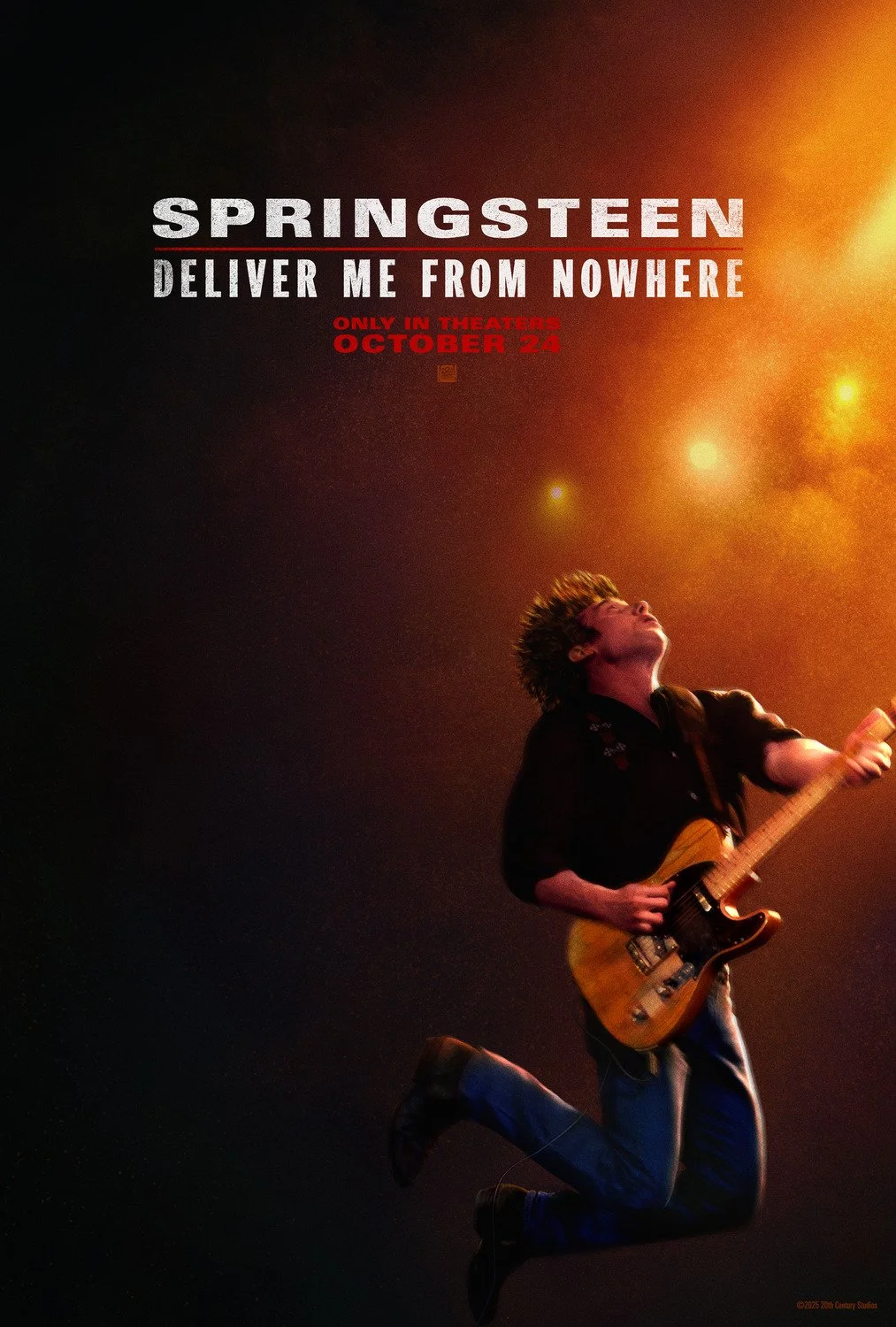
Movie Review : Springsteen: Deliver Me From Nowhere (2025)
When Igor Stravinsky premiered The Rite of Spring in 1913, the initial reaction was disastrous. His ensemble was pelted with projectiles while performing, leading to the expulsion of over forty concertgoers. Critic Henri Quittard called it "a laborious and puerile barbarity". These people were the tastemakers of their era, but they were not visionaries. Although brand consultants will tell you otherwise, any significant work of art is bound to anger a part of its audience because it exists outside of any imperative to seduce. It just is.
Although it’s one of Bruce Springsteen's most celebrated records today, no one could've foreseen the creation of Nebraska in 1982. It’s perhaps his less iconic, but most historically important album. Springsteen: Deliver Me From Nowhere tells the story of how this album came to just be. It’s a biopic featuring all the roadblocks you already know biopics to have and yet there's a stubborn and sincere quality to it. Two qualities you imagine the Boss to have in droves.
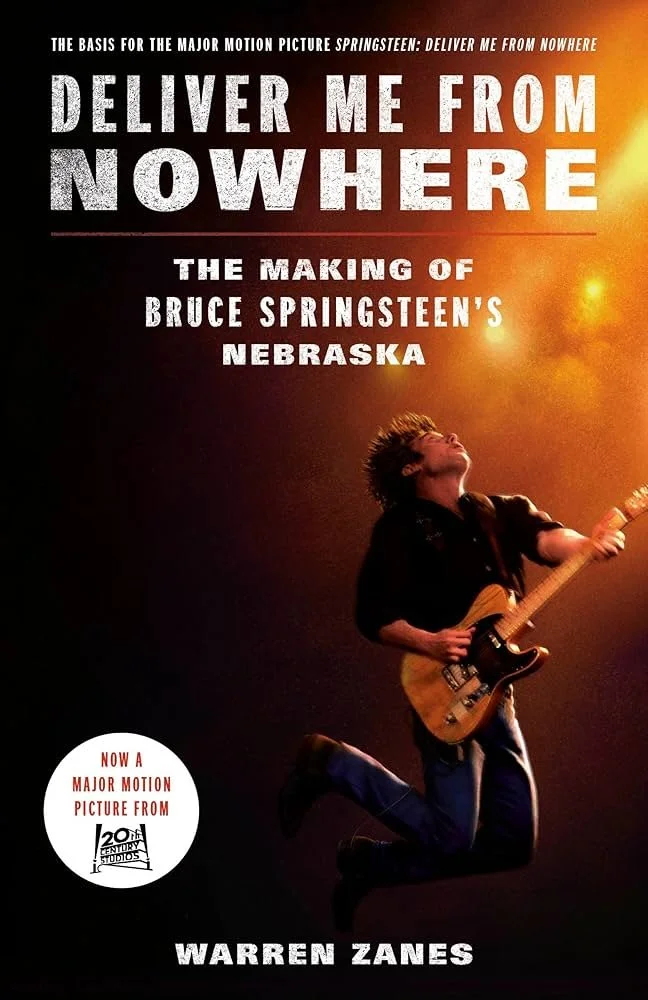
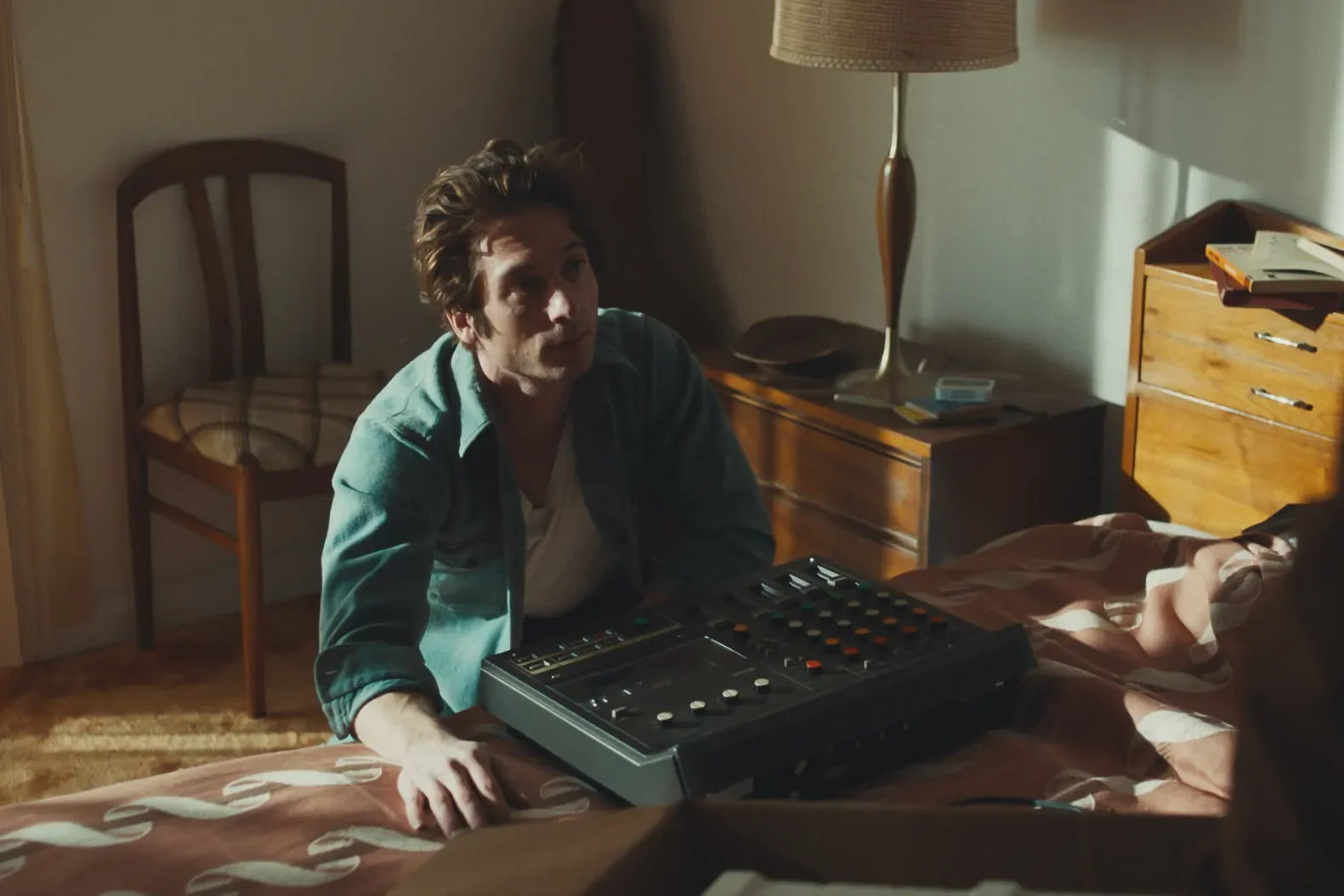
Loosely based on Warren Zanes' quite excellent (and delightfully nerdy) book documenting the creation of Nebraska, Springsteen: Deliver Me From Nowhere tells the story of Bruce Springsteen (Jeremy Allen White) coming back from touring his album The River, burned out and high strung at the idea of sitting still in New Jersey again. He rents a house in Colt’s Neck, buys a four track portable recorder and begins documenting unpleasant, complicated feelings that have been circling him like vultures.
An Exceptional Man Exorcizing His Ordinariness
What makes Bruce Springsteen so iconic and Nebraska such a counterintuitive triumph is that it came as somewhat of an autoimmune reaction to his own success. This feels important and symbolic of something, but it’s a very common problem for any talented and ambitious person to have. If you become popular enough to warrant upward social and professional mobility, you’re going to have conflicting feelings about looking at the past from a distance. Notably, you’re going to feel guilt.
Springsteen's sincerity about feeling this estrangement from his own identity is what makes him so intuitively relatable. At the time of recording Nebraska, his career was going absurdly well. He was playing bombastic arena rock with the E Street Band and returning to New Jersey after a lengthy tour for The River made one thing clear: everything had changed. The upbringing that inspired his early music only existed in his memory. One he could access, but no longer inhabit.
Every relationship he went back to was tainted by the abstract distance created by his rock star status. You can’t just "go back home" once people start seeing you as symbolic. You stop being just a person. As most rockers of the era embraced their cultural character and let the myth rewrite the man, Bruce Springsteen refused to do that. At least not before writing one last letter to the territory that both wounded and consecrate him. Springsteen: Deliver Me From Nowhere is the story of a man haunted by a version of himself that never existed. The version he sings about in his songs.
The working-class poet. The blue-collar avatar. The guy who could leave but somehow remain untouched by leaving.
I don’t know how truthful is it to what happened or to how Springsteen really felt, but the fear of disappearing behind the person you’re expected to become is as contemporary and relatable as a problem I can think of and therefore it situates Nebraska as an act of radical creative self-defense.
Integrity & Mythmaking
Springsteen: Deliver Me From Nowhere raises interesting and relatable questions, but it’s still very much a biopic with all the narrative clumsiness it usually entails. Notably the way cowriter and director Scott Cooper turned Springsteen's manager Jon Landau (Jeremy Strong) into a quintessential biopic character — exposition man. His role in this movie is basically to clearly express to anyone what feelings his client meant to convey in Nebraska. It's embarrassing. Whether it's to a record executive or to you, the viewer.
There's also a tragically hokey scene where they're recording Born in the U.S.A while everyone in the studio look at one another approvingly, intuitively knowing it would become Bruce Springsteen biggest song. To its credit, the movie admits that Born in the U.S.A reveals that it was written originally for Nebraska , but that type of staging makes you wonder how much of Springsteen: Deliver Me From Nowhere is just an emotional setup designed to make you feel something rather than a truthful account of an important moment in rock.
The best and the worst part about Springsteen: Deliver Me From Nowhere is that this quandary doesn't really matter. It normalizes the undertow and emotional uprooting of success through a famous vessel and that’s more than enough. It normalizes the undertow of success. It treats upward mobility as emotionally destabilizing rather than triumphant. It acknowledges that becoming iconic can feel like a form of displacement.
By filtering that anxiety through Bruce Springsteen, a figure so embedded in American optimism he practically belongs on Mount Rushmore, the film reframes ambition as something that uproots as much as it elevates. Not because the movie transcends its genre, but because it quietly punctures the fantasy that achievement affirms identity. Sometimes it fractures it. Sometimes it forces you to record a whispering album like Nebraska just to hear what’s left of yourself.
*
Biopics, for me, are what Neapolitan pizza is to Dave Portnoy. They start at a 6.8 and it’s very hard to move the needle from there. Springsteen: Deliver Me From Nowhere inches upward, not because it reinvents the genre, and not because it delivers some definitive truth about Bruce Springsteen. It moves the needle because it refuses the two most predictable impulses: full canonization or smug demystification. It doesn’t polish the Boss into marble. It doesn’t drag him down to prove a point.
Scott Cooper and Warren Zanes' victory lies not in being truthful or magnifying, but in making it unimportant to care about the whether or not they blurred the line between the real Bruce and you. If you want documentation, read Zanes’ book. If you want to understand why Nebraska sounds the way it does — why it feels like a man whispering into a void he’s not sure he still belongs to, watch the movie. It may not teach you anything new, but it might make you feel a little lighter at the idea of changing your life.
7.4/10
* Follow me on Instagram , Bluesky and Substack to keep up with new posts *