The Prince of Darkness is Dead, Long Live the Darkness
Ozzy is gone.
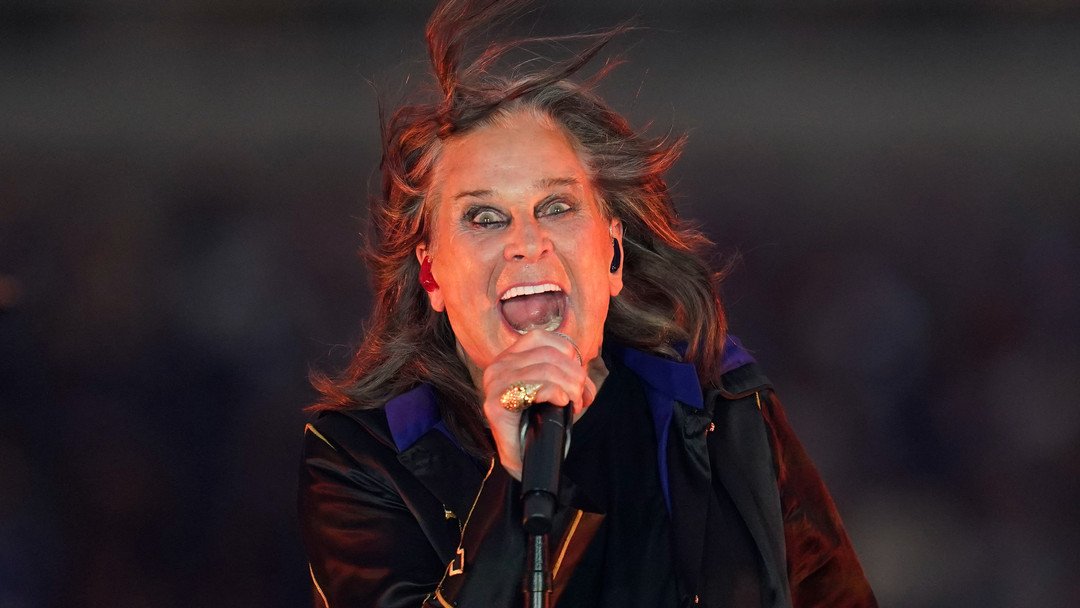
That’s not just sad. It feels cosmically incorrect. Every metalhead on Earth understood the prince of darkness was going to kick the bucket sooner than later, but we still assumed he’d outlive the rest of us through sheer confusion and stubbornness.Even though Parkinson’s disease ravaged his body over the last six years, a lifetime of sex, drugs and rock n’ roll couldn’t keep him from being the feral god that he was in a fucking football stadium barely even two weeks ago.
For most of my life, Ozzy felt stronger than death itself. He was the last standing argument against clean living. And he was, right up until the body remembered what the mind had been dodging almost a decade.
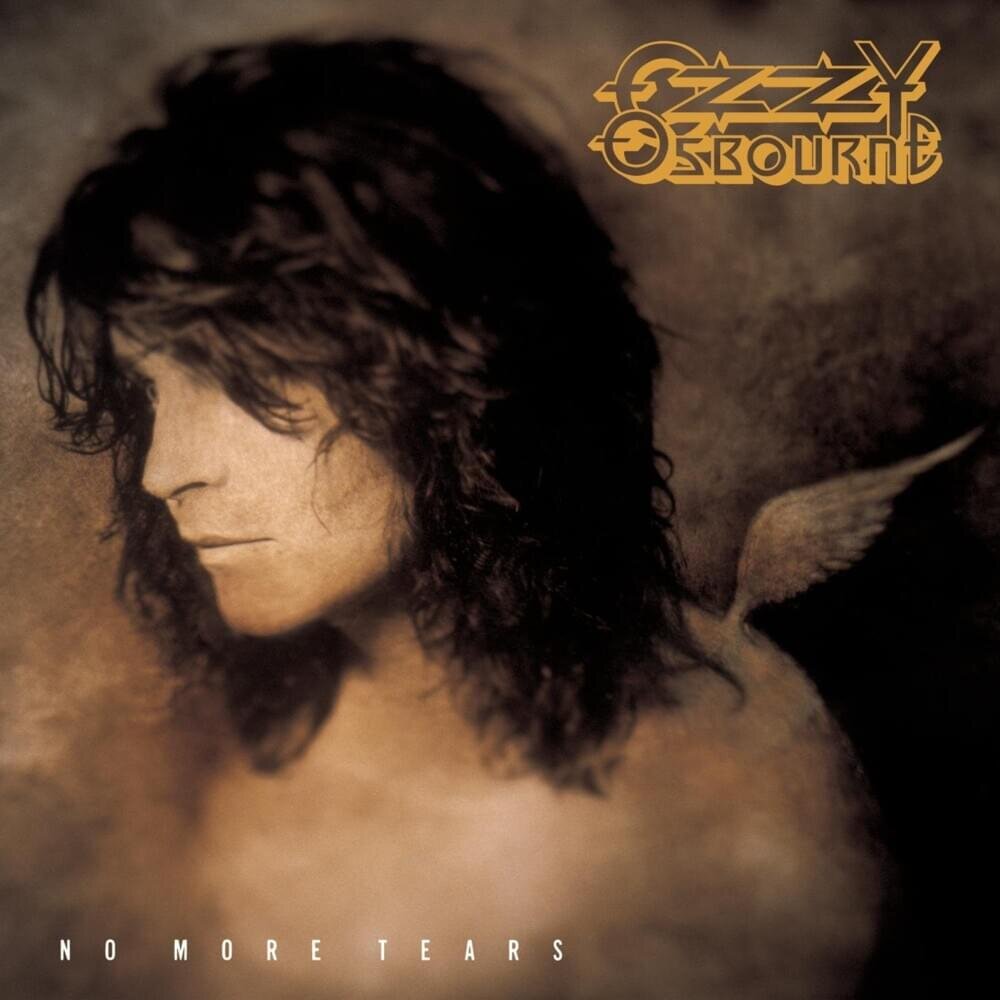
The first time I ever saw Ozzy was in the video for No More Tears. I was eight years old. He was 42, the same age I am now. I thought he was fucking terrifying.Terror is a perfectly reasonable response for any eight-year-old watching the prince of darkness at the absolute height of his powers. He symbolically embodies a serial killer while a wide-eyed damsel sinks into a literal pool of her own tears. It was gothic. It was surreal. It felt dangerous. I didn’t know what gothic or surreal was. That image never left me.
Somehow, No More Tears became my Rosetta Stone for understanding Ozzy Osbourne who, in turn, has always been a Rosetta Stone for understanding metal itself. The video shows him narrating the story of a predator playing with his food while the food slowly drowns in its own sadness and remorse, but it’s never really about being the prey.
It’s about seeing everything, the predator, the victim, the brutal indifference of the world and refusing to flinch. Ozzy doesn’t glamorize suffering, but he doesn’t deny it either. He warns you: the world is a bad place, and bad things happen to good people. But there’s still power in knowing the truth. There’s still a place for you in the darkness, if you can learn to recognize it.
That’s not something you can understand at eight years old. The idea that every promise: security, satisfaction, self-actualization is basically a setup for disappointment? That’s terrifying when nothing has gone terribly wrong yet. But eventually, things did go wrong. And the meaning of Ozzy watching that woman drown in her own sadness started to change.
At first, I ran toward louder, tougher, more chest-thumping forms of metal: Pantera, Slayer, Slipknot, later the metalcore bands because I needed to feel invincible. I needed to believe I could scream the darkness away. And for a while, that worked. But the darkness doesn’t go away. And one day, it dawned on me: Ozzy had been telling the truth the whole time.
There are metal bands that fight the darkness. Some who embrace it. Others who cosplay as if they are the darkness and all of this is fine. All of these worldviews have their own merit. But the emotional legacy of Black Sabbath and Ozzy Osbourne, most of all is that you can live with it. The darkness is there whether you want it or not, and you don’t get a say in when it shows up. But that doesn’t mean it has to consume you. You don’t have to let it hollow you out.
That survival became a blueprint: You can find your way through, if you’re not afraid just because everyone else is. The default setting of the human condition is to fear your own ugliness. Ozzy made it sing.
Although I highly doubt that Ozzy was ever afraid of his own mind, you can trace the same evolution in his music. The first ever Black Sabbath song (the one also named Black Sabbath on their debut record Black Sabbath) features one of his ghastliest performance. He sounds afraid and in pain. As he progressed through the music industry, he became more in control like he is in No More Tears. By the time he was old, he was singing about how he never wanted to stop.
Although I highly doubt Ozzy was ever afraid of his own mind, you can trace the same evolution in his music. The first Black Sabbath song (the one also called Black Sabbath from the album Black Sabbath) features one of his ghastliest performances. He sounds afraid and in pain, like something is coming for him and he can’t get out of the way.
But as he moved and succeed at every turn, his perspective changed. By the time he recorded No More Tears, he was un control. He knew where the darkness lived, and he knew how to walk through it with a microphone and a melody. And when he got old, that terror didn’t harden into bitterness. It turned into gratitude. Songs like Ordinary Man and I Don’t Wanna Stop don’t beg for more time they celebrate the fact that he got any at all.
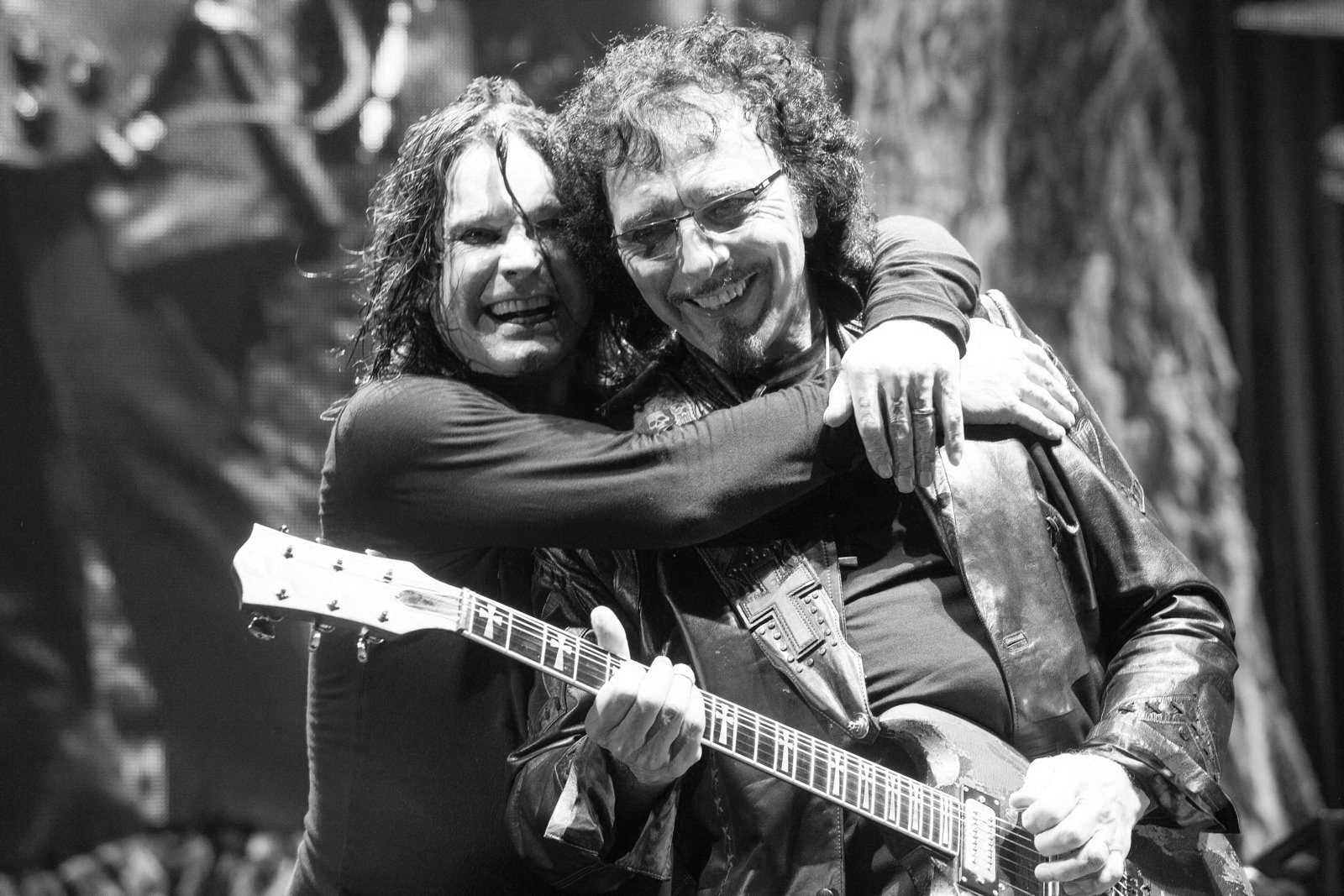
Ozzy Osbourne was a cultural grandfather to metalheads. You didn’t have to be obsessed with his music to appreciate it and more importantly, to love him. He was the north star. The goth weirdo who made it without hurting anyone. Who became beloved for not being like everybody else and for never wanting what everybody else wanted. He wasn’t above it all because he pretended to be better, he was above it because he survived it.
He didn’t just tame the darkness. He absorbed it. Wore it. Sang through it. And in doing so, he gave the rest of us permission to do the same. We could only hope to live as well as he did. Ozzy is gone now. The best thing we can do is remember him and try, in our own strange ways, to be like he was. I can’t say he was gone too soon because he was properly loved and he loved us properly back. He held on for one last goodbye and raised hundreds of millions of dollars for charity doing so. That’s metal as fuck.
I will never be as metal as Ozzy was, but I will spend the rest of my life trying. The prince of darkness is dead, long live the darkness.