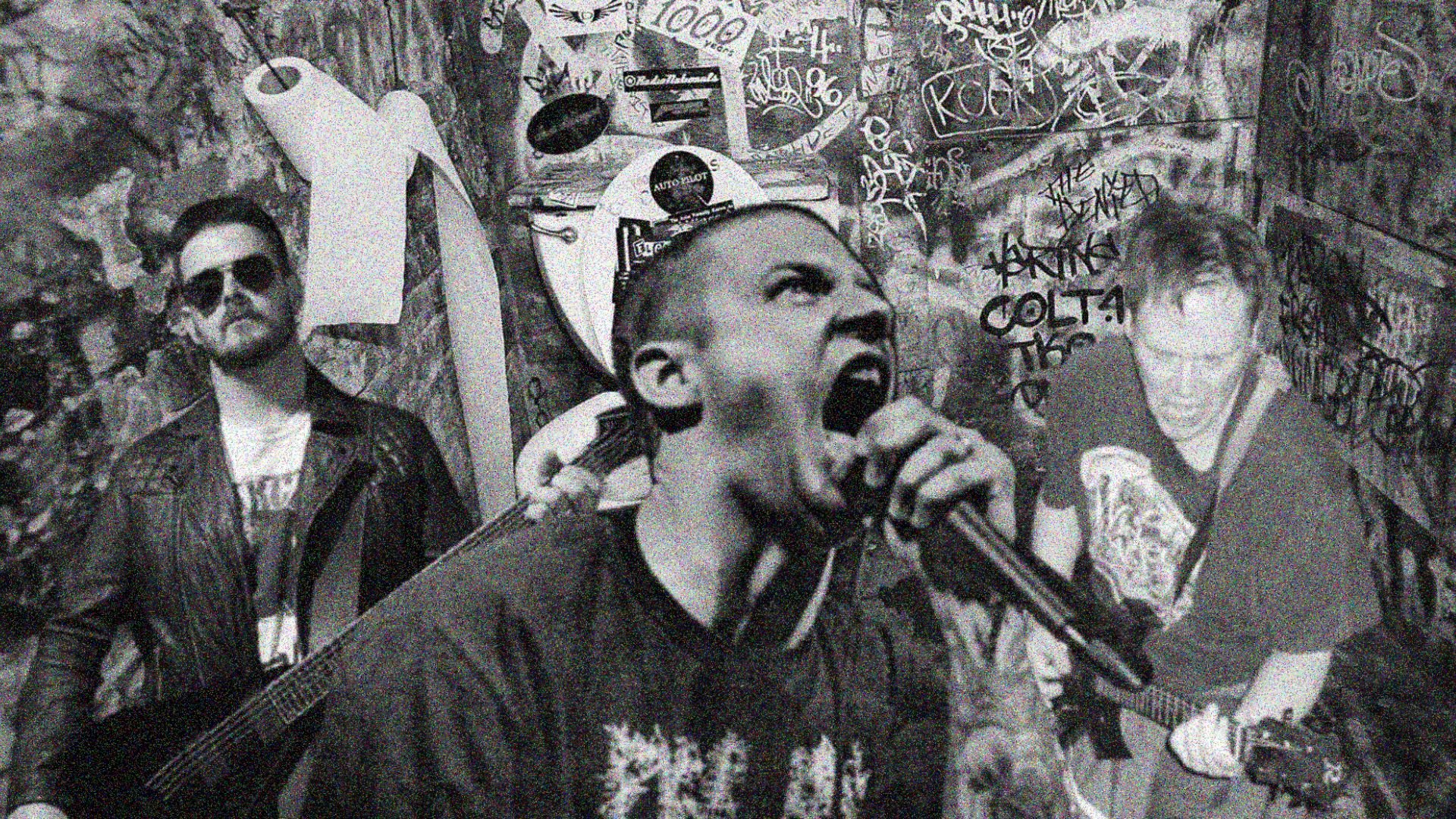
A Subjective History of Powerviolence
Some people are never happy with anything.
This sounds like a moral flaw, because it often is. Nobody wants to be around the guy who claims the pizza and the beer are gentrified, the music is too commercial and everyone invited at the party is a collaborator in their own oppression. That guy is exhausting, but he can be useful. Civilization is occasionally improved by people who look at a functional thing and say: no. Not enough. Too slow. Too soft. Too compromised. Too willing to shake hands with the enemy.
Punk rock was born from this impulse. Rock ’n’ roll had become too expensive, too professional and comfortable with its own mythology. Punk answered by making everything cheaper, faster and dumber in the smartest possible way. But punk, like every revolution that lasts longer than six months, eventually developed its own dogma. It acquired uniforms, rules, heroes, acceptable opinions and predictable forms of rebellion. So hardcore happened because certain people decided punk was no longer fast enough, hard enough or angry enough to justify its own sneer.
The problem with hardcore is that it succeeded way too fast. It became so rigid, so morally committed to being uncompromising that it eventually started to feel like another set of instructions. You could obey hardcore. You could do it correctly. And once a culture built on refusal can be done correctly, someone is going to refuse that too. That’s where the splintering begins.
Post-hardcore kept the intensity but allowed the songs to become stranger, more melodic and emotionally unstable. Emo, before it became mall-coded shorthand for teenage angst, turned hardcore’s clenched fist inward and embraced loneliness instead of aggression. Grindcore emerged out of the consciousness of people who thought hardcore wasn’t fast, hard or extreme enough.
I'd love to tell you that powerviolence was born out of a logical impulse or an aesthetic evolution, but I would be lying. Its unpredictability is its design. It’s a supremely niche music genre meant to remain feral and explosive. It’s supposed to feel wrong. To rebel against the idea itself of aesthetic expectations. It’s spazzy, bombastic, sometimes super fast, sometimes super slow. Sometimes within the same song. It’s one of these styles you instantly recognize upon hearing, but that’s difficult to describe to someone.
Here’s my subjective history of powerviolence.
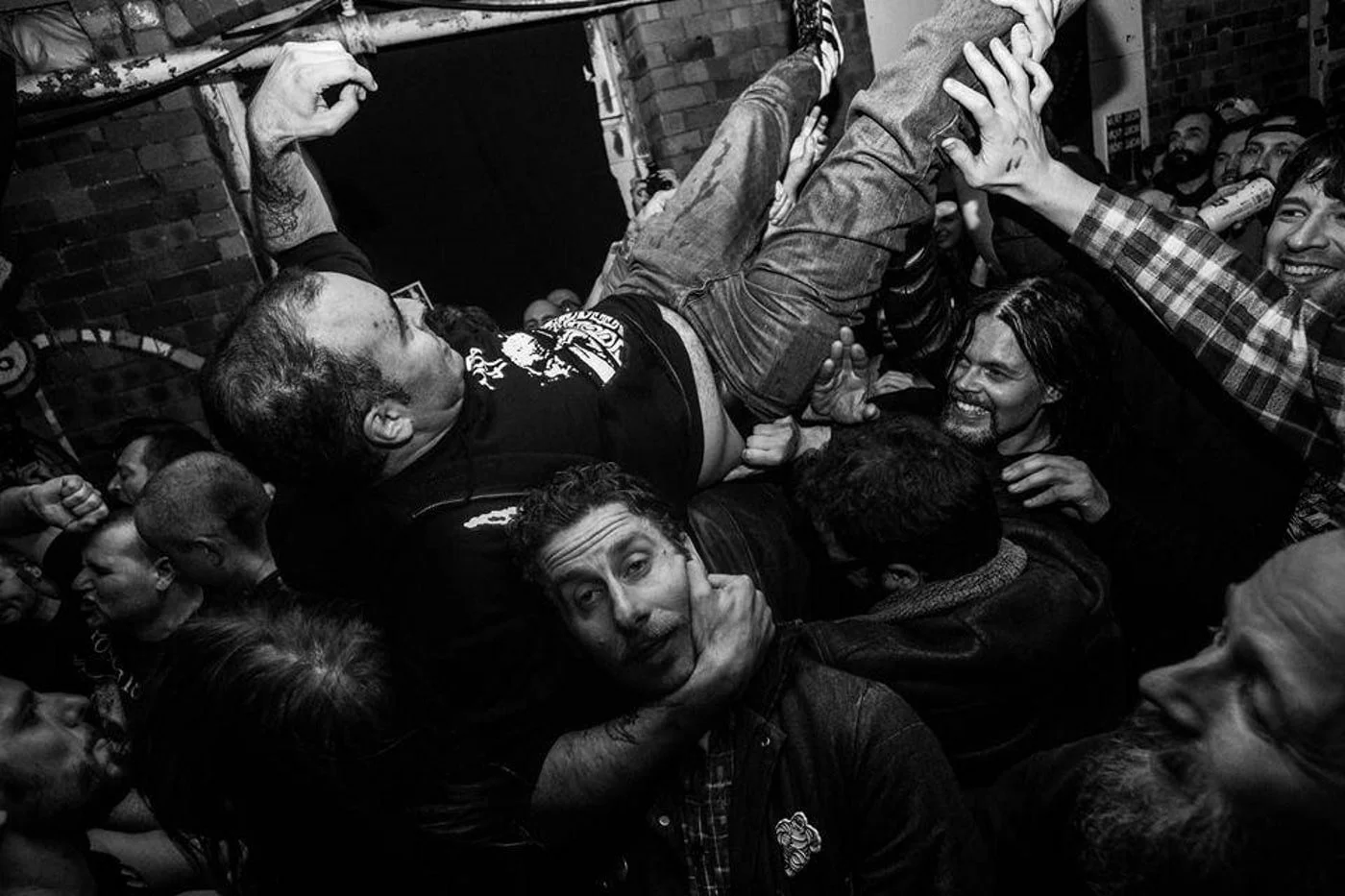
Punker Than You Are, Dude
The idea of powerviolence started percolating early. Maybe even earlier than grindcore, depending on how badly you want to ruin a perfectly good conversation at a punk show.
Although none of this is written in stone, Massachusetts hardcore band Siege is often cited the genre’s patient-zero.Not because they sat down and decided to invent powerviolence — nobody invents a genre like they’re filing municipal paperwork — but because their 1984 demo Drop Dead contained so many of the genre’s eventual instincts in primitive form: speed, brevity, but also a raw, earnest ugliness and tempo changes that kept the song thoroughly unpredictable.
Siege described themselves as a second-wave punk band, which is useful mostly because it tells us they were not trying to sound futuristic. Their music sounded how they felt, which remains the most punk explanation for anything. These were feisty, self-combustible kids who wanted to be heavier than metal and harder than the hardest hardcore band they could imagine. By early-eighties standards, they succeeded so completely that people needed several years and multiple subgenres to explain what had happened.
This was still very early in the eighties extreme music boom. We’re talking 1984: before Slayer released Reign in Blood, before Napalm Death’s Scum, before anyone had a useful vocabulary for what Siege was doing. The point is not that Siege sounded like the future. The point is that Siege sounded like a future nobody had agreed to live in yet.
This matters because extreme music is often written about backward. Once a genre has a name, everyone starts pretending the road was obvious. It wasn’t. In 1984, Siege were not proto-powerviolence in any meaningful personal sense. They were a hardcore band trying to outrun the available language. They played fast enough to make hardcore seem undercaffeinated, heavy enough to make metal feel theatrical,and ugly enough to scares the hoes.
Other bands understood this, even if they understood it indirectly. Boise, Idaho’s Septic Death were working a similar nerve: blistering hardcore, skate-scene poison, Pushead artwork, and the sense that speed was a form of social disgust. Later, West Coast bands like Infest, No Comment, Crossed Out, Man Is the Bastard (probably the most influential one) and Capitalist Casualties pushed this logic toward chaos and entropy. They took the idea that hardcore could be short, violent, stupid, intelligent, political, childish, ugly, disciplined and completely unwell at the same time and built a scene around it.
That’s where powerviolence starts becoming more than a sound. It becomes a social contract for people who think hardcore makes the most sense when it appears to be falling apart. Are you even extreme if you’re not playing on the bring of falling apart, right?
A great majority of these bands eventually found a home on Slap-a-Ham Records, the San Francisco label started by Chris Dodge of Spazz. This matters because every genre needs infrastructure before it becomes history. You can have the sound, the attitude, the records, the kids with terrible posture and worse life plans, but until someone starts putting the stuff out with enough consistency to make it feel like a world, it remains a rumor.
Slap-a-Ham Records turned powerviolence into a scene. Infest, No Comment, Charles Bronson, Crossed Out, Neanderthal, Slight Slappers and Spazz all passed through its orbit, and the label’s yearly festival, Fiesta Grande, turned the scene into something you could physically attend instead of merely hear about from a guy with a bad haircut and seven split 7-inches in his backpack.
Like most extreme scenes, powerviolence had a strange relationship with time. Some bands vanished almost immediately, as if they had fulfilled their biological purpose by releasing seventeen songs in nine minutes. Others carried the transition into the next era. A few are still alive and kicking today, most notably Infest, Dropdead and Despise You.
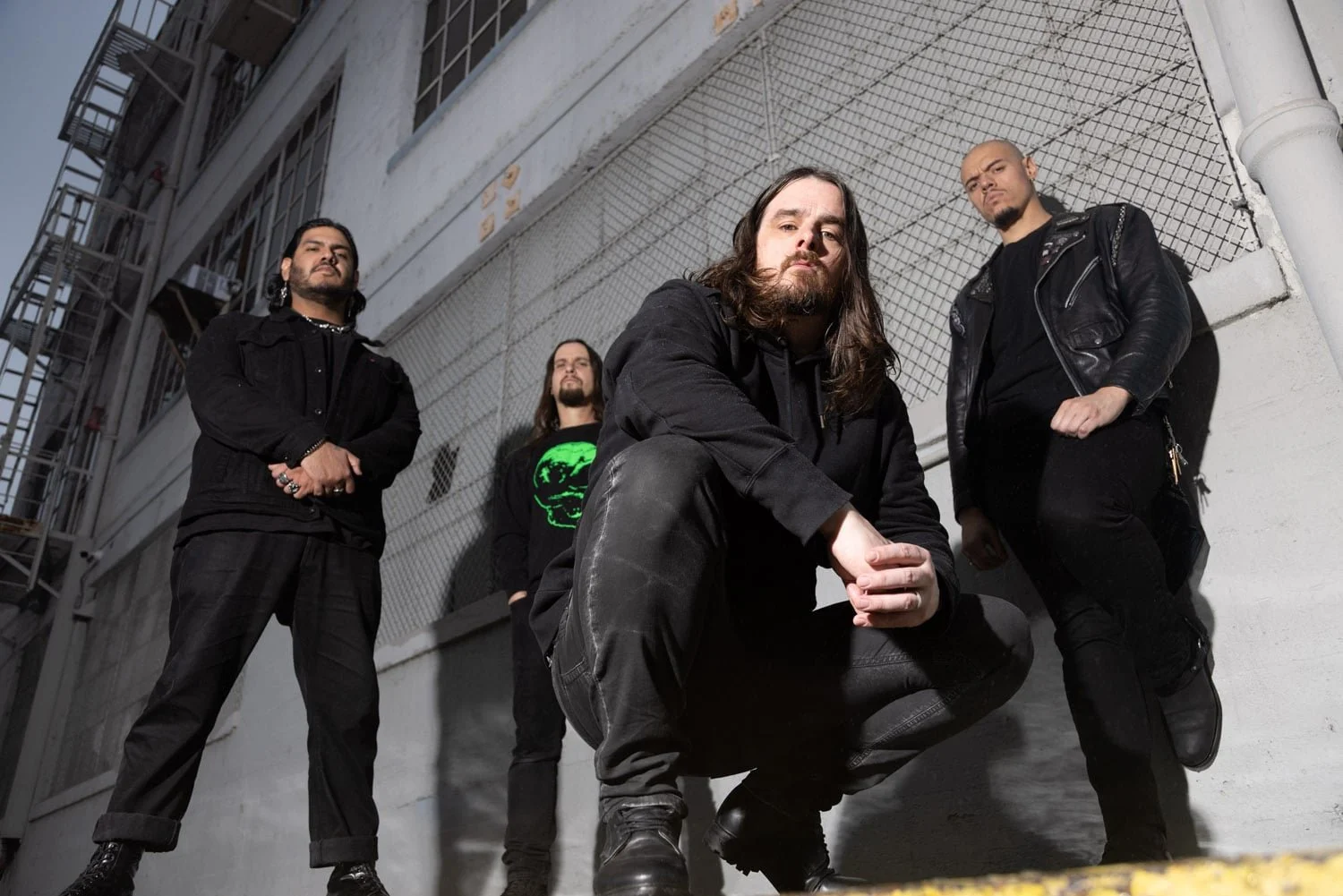
It's Nails And Full of Hell's World And We're Just Living In It
Post-nineties powerviolence is contextual.
That sounds like a cowardly thing to say, but it’s not. It’s the only honest way to talk about it. Powerviolence had its big defining creative moment in the nineties, when the sound was still geographically concentrated and stupidly intense in the way only underground music can be stupidly intense when nobody expects it to last. Like hardcore punk before it, powerviolence burned brighter and harder than was probably sustainable.
Then started crashing into the practical realities that kill most extreme music scenes: people get older, scenes shrink, vans break down, rent goes up, and not everyone can devote their entire adult life to making music very few people want to actually hear. Eventually, you either find a job, disappear, become a legend by accident or start playing a style of music that is slightly easier to explain to someone you’re dating.
So this is where the history becomes subjective in a more obvious way. The first wave of powerviolence has a shape. You can draw a messy but workable line from Siege to Infest, No Comment, Crossed Out, Man Is the Bastard, Capitalist Casualties, Spazz and the Slap-a-Ham ecosystem. After that, the line doesn’t disappear, but it stops behaving like a line. It becomes a stain. It seeps into grindcore, hardcore, screamo, noise rock, fastcore, sludge, death metal, internet-era micro-scenes and whatever else angry young people use to make their lives feel temporarily less stupid.
This is what I do know about how powerviolence crossed into the twenty-first century.
The earliest new millennium powerviolence band I can find is Magrudergrind who started in 2002. They’re primarily known as a grindcore band, but they also qualify as a powerviolence band. They released their first material in 2003. Iron Lung were technically formed in 1999, but I’m not sure when they first released a record. Weekend Nachos emerged from the same city as Charles Bronson, although I don’t think they shared any members. At least not that I know of. They’re still blending hardcore punk, sludge metal and powerviolence in 2026.
But I’d say Canada’s The Endless Blockade (hello, Andrew!) were the real pioneers of the noisier blend of modern powerviolence we associate with the genre today. They were obviously influenced by Man Is the Bastard, but they introduced a different kind of instability to the songwriting. There was less anger and more tension in what they were doing. Less certainty, more questions.
Classic powerviolence often sounds like "fuck everything," shouted by someone who has already made up his mind. The Endless Blockade carried the same "fuck everything, myself included" energy, but refracted it through something more introspective and contaminated. Their music didn’t just want to destroy the room. It wanted you to know the room felt unbearable in the first place.
Depending on who you ask, the names of the bands that bridged the gap between the OGs and the two most visible twenty-first-century descendants of powerviolence will differ. This is where the genre gets slippery, because post-nineties powerviolence was less a kingdom than a contaminant.
Hatred Surge from Texas were one bridge, dragging the style toward heavier, nastier death-metal pressure. Ceremony should be considered too, especially in their early period, even if they quickly became too restless to stay inside any one box. Mind Eraser brought a colder, more brutish Boston hardcore logic to it. ACxDC kept the fast, political, antagonistic version alive. You could argue with any of these inclusions, which is exactly why they belong here.
This period, when powerviolence seemed to be floating in the ether, ended when Nails and Full of Hell entered the picture. Not because they were pure powerviolence bands. Purity is a weird thing to demand from a genre built on impatience. Nails was formed in 2007 by ex-Terror/riffmeister Todd Jones and released Obscene Humanity in 2009, while Full of Hell formed in 2009; both became two of the most visible bands to carry powerviolence logic into the broader extreme-music world.
Nails did it by making the sound more muscular, metallic and immediately legible to hardcore kids who wanted violence with better production values. Full of Hell did it by making the genre porous and evolutive: grindcore, noise, sludge, death metal, harsh electronics, collaborations with Merzbow, the Body, Primitive Man and Nothing. One band made powerviolence feel like a weaponized gym membership. The other made it feel like a haunted laboratory with blast beats and Dylan Walker's blood-curling screams.
That’s why they’re the two names most often associated with the genre by people who did not spend the nineties trading Slap-a-Ham records through the mail. They’re not necessarily the most orthodox powerviolence bands. They’re the bands that made powerviolence legible to outsiders.
Powerviolence is bound to remain a microgenre for the most devout students of amplified cacophony. That’s part of its charm and part of its ceiling. It is too short, too ugly, too impatient and too allergic to charm to ever become commercially popular. Even when people like it, they tend to like it with the haunted enthusiasm of someone trying to explain a factory accident they just witnessed.
But Nails and Full of Hell represent the perfect split of its two major instincts: aggression and a rejection of boundaries. Nails took the aggression and made it physically undeniable. They turned powerviolence into blunt-force architecture, something metallic, muscular and immediately legible to anyone who ever wanted hardcore to sound like a door being kicked open by a SWAT team with unresolved childhood issues.
Full of Hell abandoned boundaries and followed every lead: grindcore, noise, sludge, death metal, electronics, collaboration, abstraction, disgust, grief, whatever strange new room seemed least hospitable to good taste.
That’s why both bands matter, even if neither should be reduced to powerviolence. They keep the genre inside their DNA without becoming obedient to it. They evolve unpredictably, which is the only respectful way to treat a style of music built by people who were allergic to being told what punk, hardcore or extreme music was supposed to be.
Before I leave you, here are five songs to help you get into powerviolence.
Siege - Conform : Slow, mean, bass-heavy hardcore punk that oozes rage before abruptly shifting into an explosive, blindingly fast climax. That tempo change is the whole lesson. Siege understood, maybe by accident, that extremity is not just about playing faster than everyone else. It’s about calculated loss of control. In 1984, this rightfully blew the minds of pissed-off kids who were looking to up the ante from Minor Threat and discovered a band that sounded like being shoved down a flight of stairs.
Man is the Bastard - Puppy Mill : hhese guys basically invented the style of powerviolence I love: chaotic, conflicted, caustic and unwavering in its rejection of everything. Puppy Mill is an ideal entry point because it foregrounds one of the genre’s most important and underrated traits: ugly bass. Not cool bass. Not funky bass. Not "the bass player deserves more attention" bass. This is bass as sewage pressure, bass as moral nausea, bass as the thing making the room smaller while the song is already trying to kill you.
The Endless Blockade - Raised By Wolves : I could’ve used a more atmospheric song from their catalogue, but this one is so fucking good.
Nails - Wide Open Wound : Once again not the most typical choice, but I love this song so much because of how emotional it is an the Nails train fuels on nasty emotions. It's a good example of how indiscernible the genre can be. If you want to tell me this is sludge metal, I have no argument to tell you otherwise.
Full of Hell - Bound Sphinx : An absolute fucking tornado of a song that unfurls across three different tempos, each one somehow less hospitable than the last. The discomfort that makes Full of Hell’s music so captivating is everywhere here: in the blast beats, in the sudden shifts, in Dylan Walker’s haunted shrills in the feeling that the song is not progressing so much as violently changing rooms. Bound Sphinx is designed to kick your ass first and be appreciated later.
* Follow me on Instagram , Bluesky and Substack to keep up with new posts *