
Movie Review : Mickey 17 (2025)
You and I both know that imperialism is bad. This isn’t a controversial opinion. It’s high school textbook material, wedged between chapters on the fur trade and the Cuban Missile Crisis. And these days, you don’t even need to crack a spine to understand it: just open Instagram and watch the algorithm deliver real-time horrors. You don’t need a movie to tell you imperialism is bad. You already know.
And even if you didn’t, Starship Troopers exists—and it said everything that needed to be said, with more sarcasm and better bugs.
So why does Mickey 17 exist? Because Bong Joon Ho won an Oscar in 2019, and the unspoken rule in Hollywood is that if you make a masterpiece once, you get one blank check to chase your weirdest impulse. This is that impulse. And I’m here to tell you: it’s not just kind of bad. It’s a catastrophic stack of oblivious social commentary and half-developed ideas, stitched together with the confidence of a film that thinks cloning is a metaphor you’ve never heard before.
Mickey 17 tells the story of…ugh, Mickey Barnes (played by a well-meaning Robert Pattinson who has very little to work with), a random, dim-witted everyman who signs up for a deep-space colonization mission with his best friend (Steven Yeun) as an "expendable", which is exactly what it sounds like. He gets assigned one suicidal task after another because, if he dies, they just print a new version of him like a galactic Staples.
And dying, it turns out, becomes sort of Mickey’s whole personality. Until one day, he doesn’t die even if everyone thinks he did, so they print another one anyway. Two Mickeys, one ship, zero plans. And then, I guess, chaos ensues? But not the fun kind. The kind that could be avoided if anyone with responsibility on the ship had any survival instinct.
Going Macro When You Should Go Micro
On paper, Mickey Barnes’ predicament is interesting. He’s technically condemned to death, sure. But in practice, he’s condemned to life. The more he dies, the more he accumulates this weird metaphysical baggage: he knows death is inevitable, but it’s also his job to walk into it like it’s a punch clock. He exists so others don’t have to risk not existing.
That’s rich thematic soil. repetition as punishment, martyrdom as labor, but Mickey 17 barely explores it. Mostly because Mickey himself is dumb. Not charmingly dumb or tragically dumb, just generically, frustratingly incurious. He’s more concerned with whatever’s happening in the next five minutes than with the horror of being an endlessly replaceable meat puppet. Which might be a statement on something, if the movie didn’t seem to agree with him.
So what does the film care about, then? I honestly don’t know.
The hollow promises of a suspiciously charismatic politician who oddly talks and dressed like a very stable genius (tragically played by Mark Ruffalo)? The danger of charging into armed conflict with a population you’ve never even tried to understand? The emotional calculus of getting over your literal self in order to become or maybe just stay yourself? Any of those might be true. All of them might be true. But none of them feel real.
And even if the film was aiming for all of that, that’s a tall order for a story that treats its characters the way centrist Democrats talk about Trump voters: vaguely sympathetic, mostly disposable, and ultimately too dumb to be trusted with nuance. It might sound thoughtful in the moment, maybe even feel profound if you're just vibing, but it doesn’t actually accomplish anything. Least of all the one thing a movie like this is supposed to do: entertain you.
The Creative Yips
So, what the fuck is wrong with Bong Joon Ho here? The easy move would be to pin this on Edward Ashton, who wrote the novel. And maybe that’s fair. I don’t know about you, but after sitting through two hours of Mickey 17, the absolute last thing I want to do is read the thing.
So I’m choosing to believe that all the warmed-over colonization metaphors and that bafflingly cartoonish Donald Trump impersonation came from Bong himself, specifically, from some deep desire to appeal to whatever counts as consensual within Hollywood’s liberal elite. Because if there’s one thing that makes powerful people in L.A. feel radical without risking anything, it’s performative Trump-bashing. And boy, are they still vocal about that.
I know how I sound right now. Like some kind of conservative dickhole frothing at the mouth because a movie dared to say "colonialism = bad." But Mickey 17 is entirely to blame for that. It’s a mockery of what a militant movie should be. Hollow where it should be righteous, smug where it should be searing.
Any responsible left-leaning person should be pissed that this thing exists, let alone that it cost close to a hundred million dollars and got marketed like the second coming of Interstellar. Yes, it’s a meandering mess. But worse than that, it’s a self-righteous meandering mess. One that genuinely believes it’s sticking it to conservatives and saying something important.
Newsflash: it’s not.
*
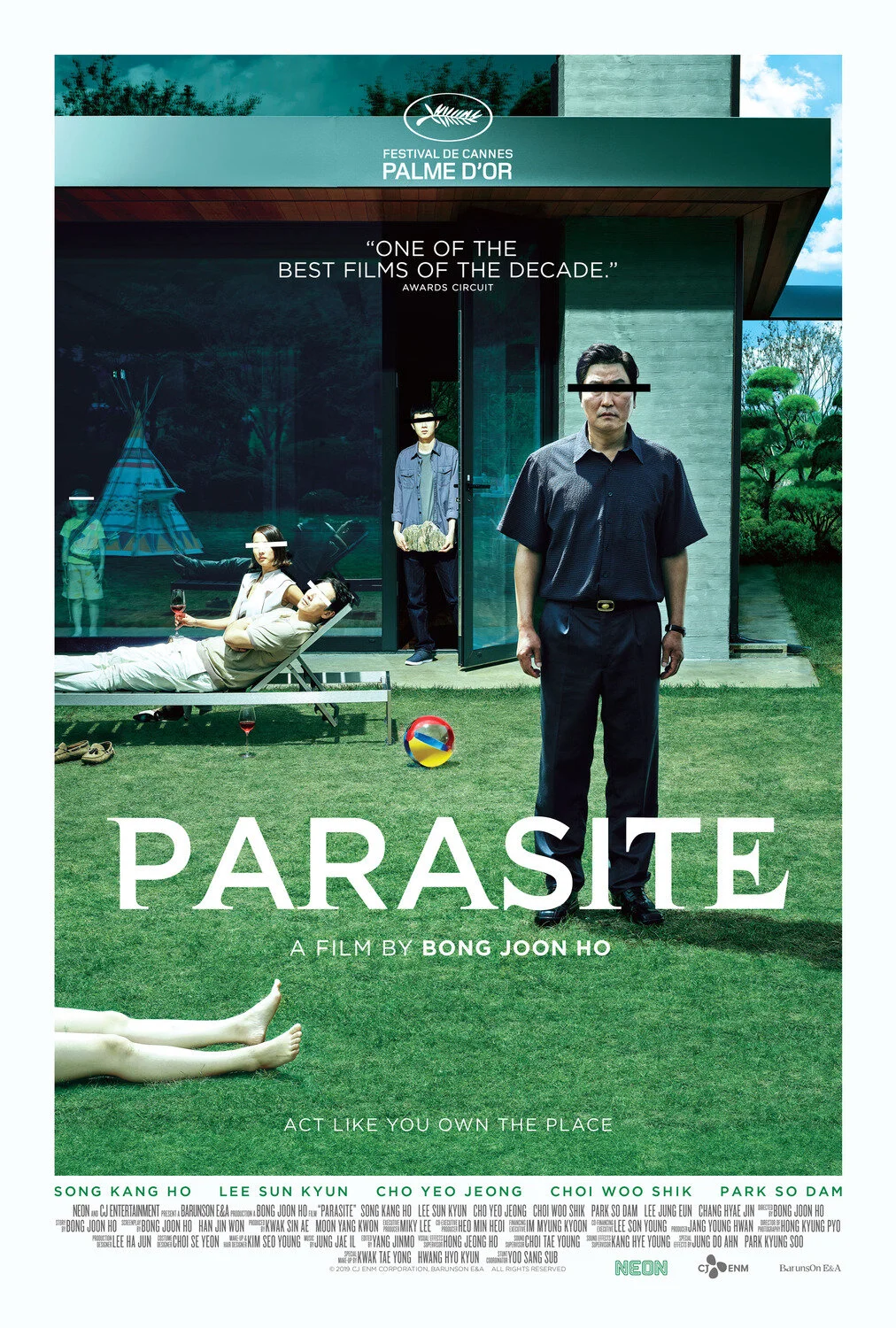
As is more often the case than we’d like to admit, success is harder to manage than failure. Especially in an industry where people stop telling you "no" the moment you win something gold and shiny. Once everyone assumes you’ll make them money no matter what, the feedback loop breaks. That’s how you get catastrophes like Mickey 17. Bong Joon Ho was hailed as an anarchist philosopher after Parasite, and now he believes it. The problem is, his films no longer feel like they come from an inner need to express something real.
They feel like they come from a desire to be applauded by the right people. Fuck this movie.
1.3/10
* Follow me on Instagram and Bluesky to keep up with new posts *