Movie Review : Anemone (2025)
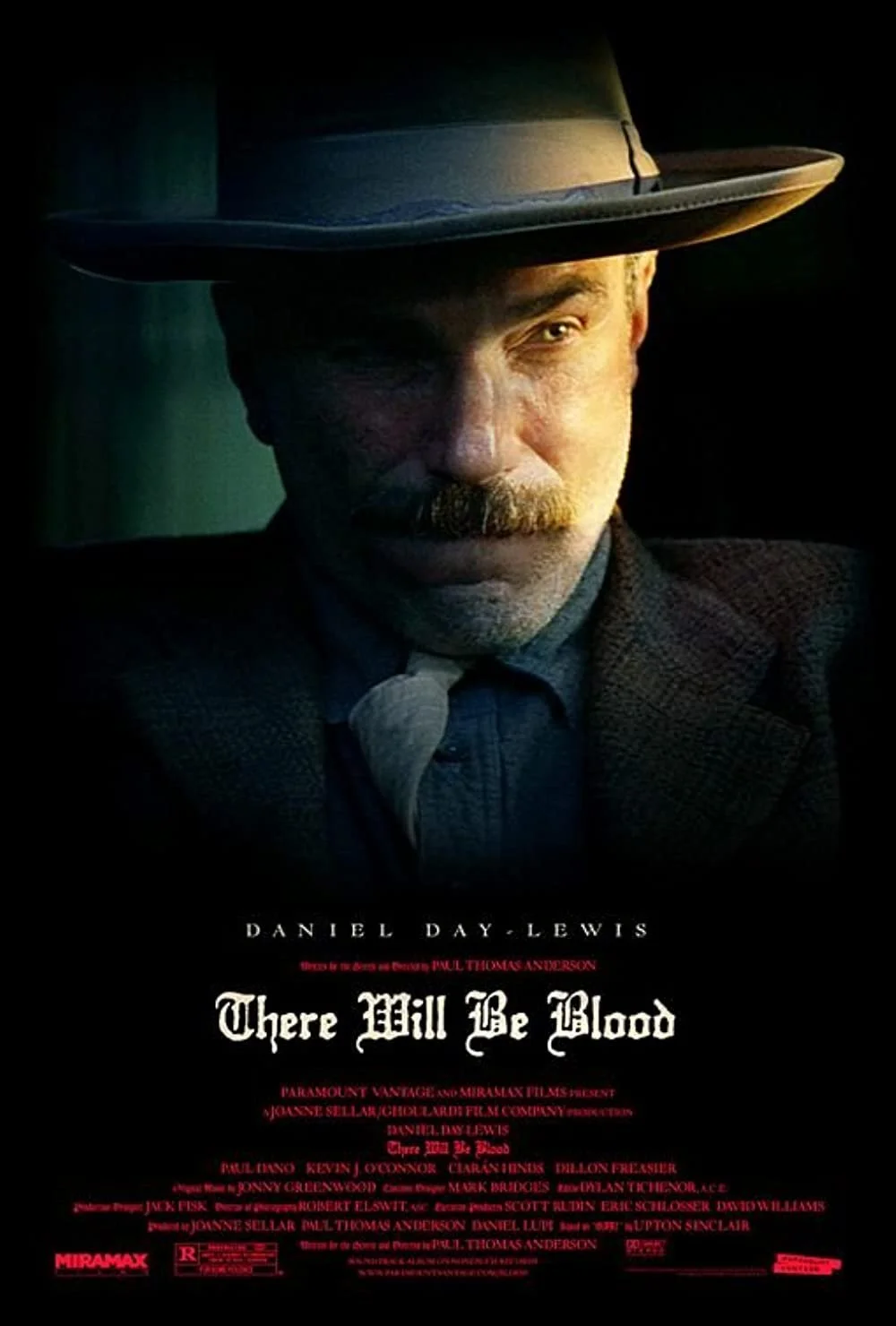
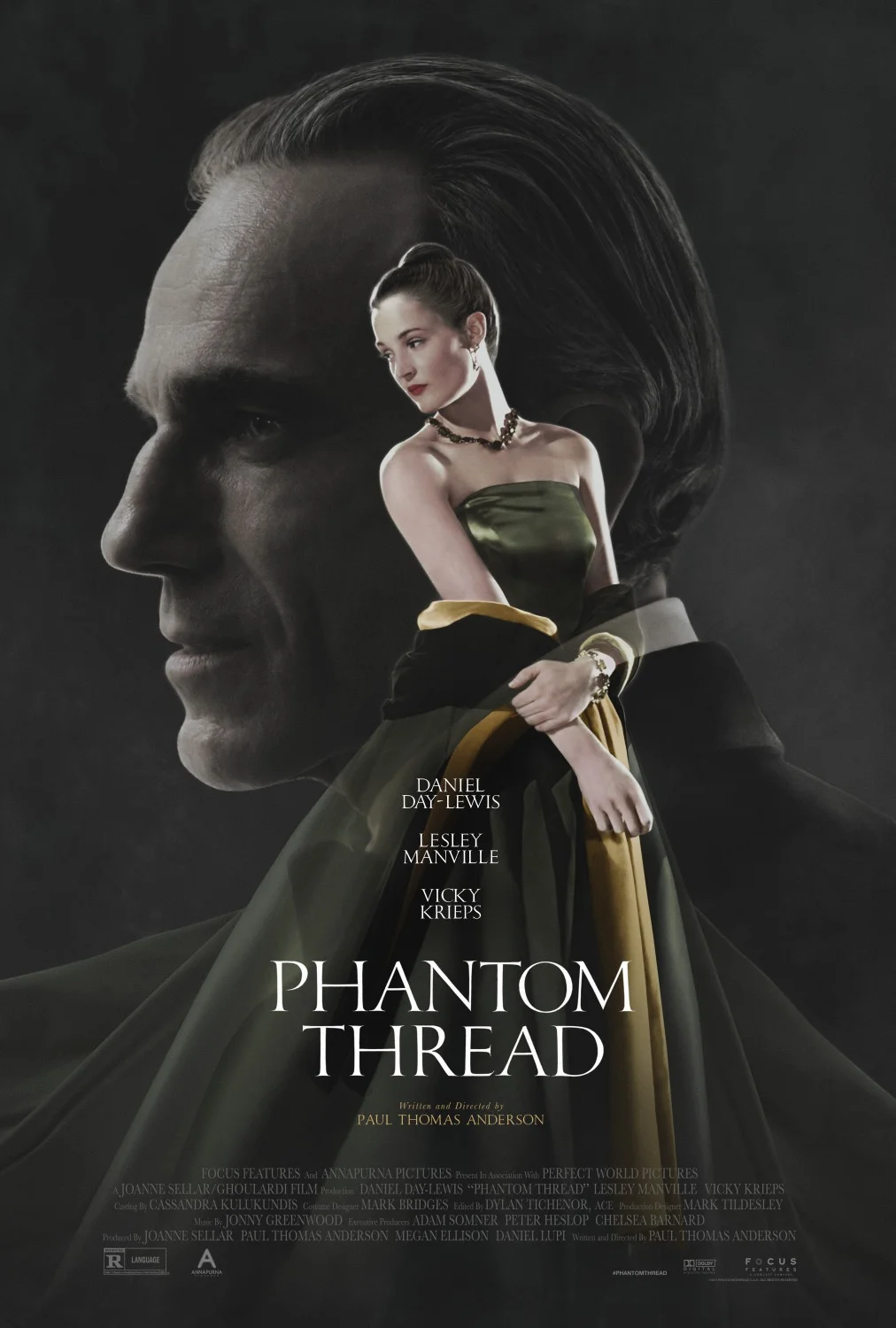
Daniel Day-Lewis is pretty much alone in his stratosphere of creative integrity. Not only he retired from acting on top of his game a decade ago after knocking it out of the park one last time In Paul Thomas Anderson's Phantom Thread. His reputation for monastic dedication was as famous as the roles themselves. Hollywood is built on compromise; Day-Lewis treated it like an endurance sport. No one seriously expected him back, which is precisely why it made sense that he would return for a personal project.
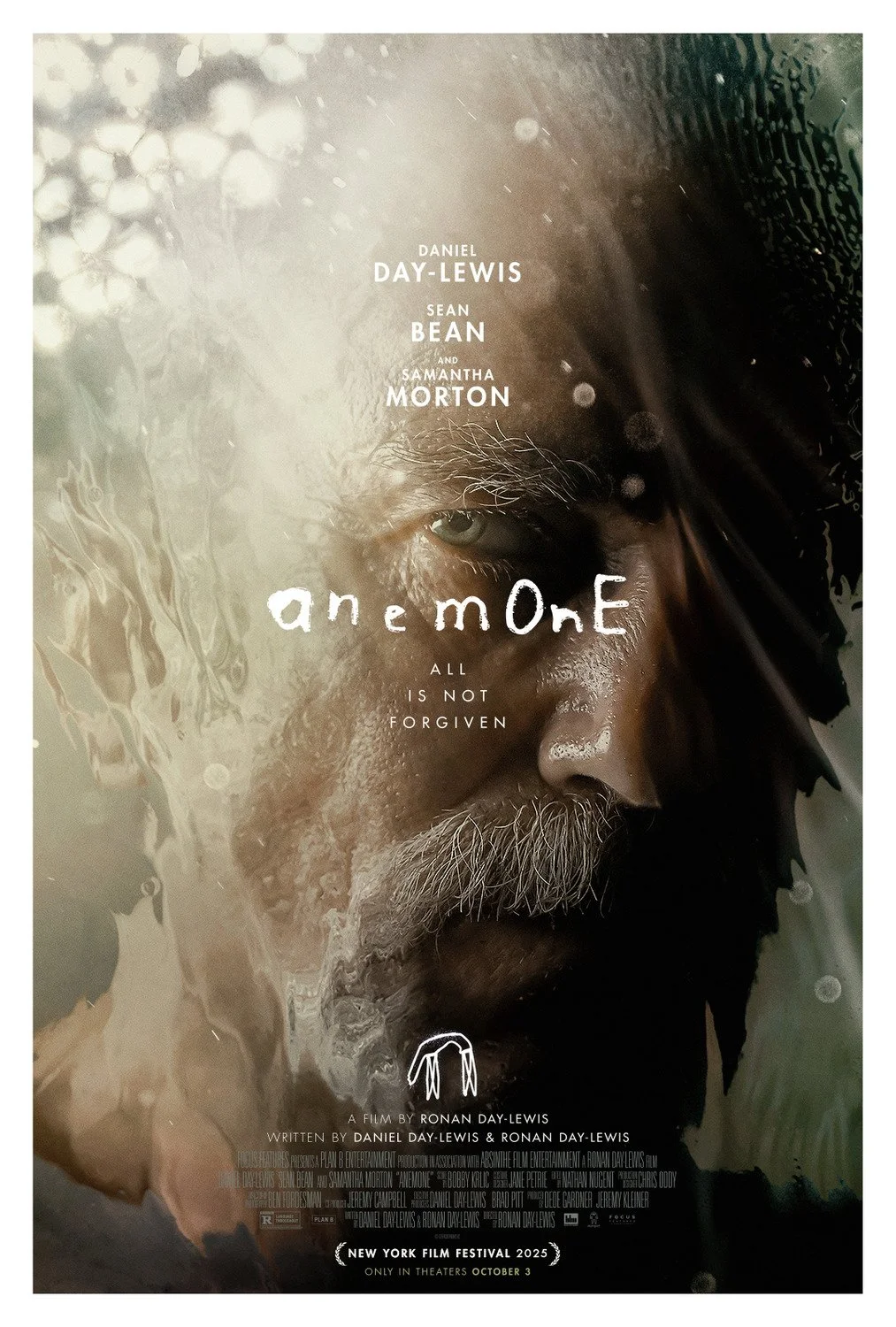
He co-wrote Anemone with his son Ronan, who also directed. On paper, it flirts with the oldest European-art-house cliché imaginable: aging men drinking and circling their own despair for two hours. And yet it’s undeniably beautiful. The old man’s gravity almost bends the material into something that would work for non-Irish people.
Anemone tells the story of Jem Stoker (Sean Bean), who inherited his brother Ray (Day-Lewis)’s wife Nessa (Samatha Morton) and son Brian (Samuel Bottomley) after he was convicted of a war crime and disappeared into the woods, leaving behind a family-shaped crater he tries to fill. After a pub incident where the violence of his old man surges through Brian,em makes the pilgrimage to Ray’s remote cabin, hoping the prodigal monster might talk some sense into his own blood.
He is welcomed with booze, bad memories and a healthy dose of brotherly resentment.
Reverse Walden
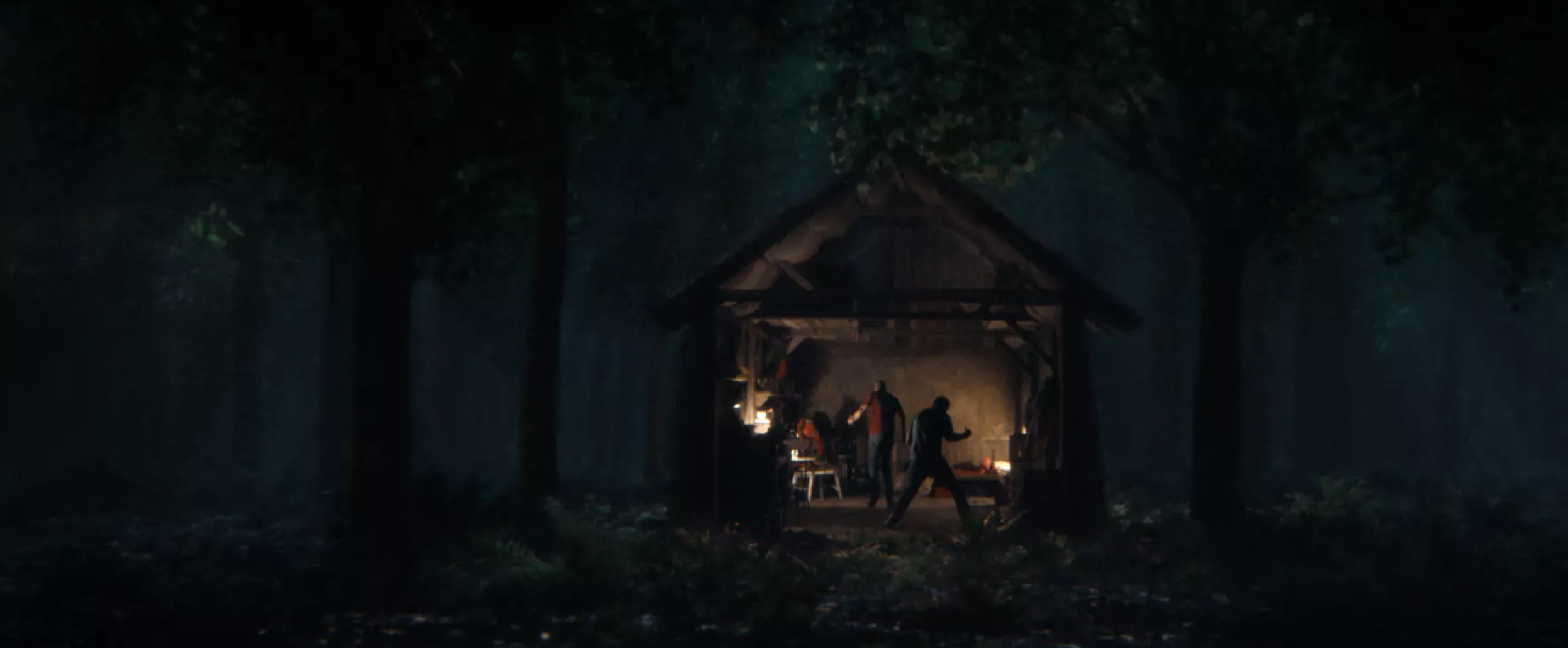
This is basically the story of a man who lives in the woods and hates every second of it. To be fair, everyone around him does. It’s a reverse Walden: not transcendental retreat, but emotional exile. A lifetime of trauma, injustice and self-inflicted catastrophe has reduced Ray Stoker to something pseudo-feral, a man who doesn’t commune with nature so much as squat inside it. He isn’t seeking clarity. He’s stockpiling grievance. He’s keeping himself spiritually loaded for the only future he can imagine: one last confrontation with the people who ruined his life.
The problem is that the people whose lives he ruined get there first.
Anemone is unmistakably Irish and not in a Guiness-and-Leprechauns way. It’s about the suffocating inheritance of intergenerational trauma, about how the Northern Ireland conflict fragmented into individual misery. Ray is clearly deformed by it, but his greater crime might be letting that psychic shrapnel embed itself in his son through absence alone. Both Ray and Brian are haunted by events that defined a country, but the film leans heavily (maybe too heavily) on Daniel Day-Lewis to embody that burden.
There’s a limit to what even a transcendent actor can communicate through smoldering intensity. National trauma isn’t a facial expression. It’s infrastructure. It needs to be built into the bones of the story, not just radiate from one man’s glare. Now, an Irish viewer might intuitively grasp what’s eating at Ray, and that’s fair. But watching this as a Canadian with a genuine interest in both Ireland’s history and whatever Daniel Day-Lewis feels compelled to say, I often felt like an outsider overhearing something that wasn’t meant for me.
What I got were two aging men circling their grievances, indifferent to whether anyone else was in the room. I have to use the B word when I review anything, but outside of moments of pleasant discomfort I had little to emotionally connect with outside of the two old, embattled farts quarreling over an inherited violence that felt theoretical. The only evidence of Brian’s transgressions are bruised knuckles. At no point he ever feels violent, erratic or even tormented beyond the usually self-important concerns of his age.
Symbolism, Shambolism
With all due respect to Daniel and Ronan Day-Lewis, there are at least two moments where Anemone seems unsure how to untangle the emotional knots it’s spent two hours tightening. Instead of resolution, we get intrusion. Supernatural imagery that arrives without context, without explanation and without consequence.
The most baffling example is a glowing apparition hovering over a lake, essentially a rogue Patronus from Harry Potter, wearing the vacant, mask-like expression of the spirits in Hayao Miyazaki’s animated classic Spirited Away. It’s visually striking, sure. But what is it? A memory? A ghost? Guilt? A national metaphor? Ray doesn’t seem to know. I certainly didn’t. And ambiguity can be powerful. But this doesn’t feel mysterious, it feels like an evasive another to a legitimate question.
Ray is the only one haunted by these visions. The other apparition is Nessa, suspended in the ether as though she’s drowned. But Nessa is very much alive. The only thing she’s submerged in is the grief of being abandoned by the father of her child. The imagery suggests catastrophe; the reality is emotional fallout.
Which raises the larger question: is there a coded message about national unity buried inside Anemone? Is Ray Stoker a walking metaphor for Northern Ireland: isolated, resentful, cut off from the mainland and unsure whether reconciliation is even desirable? Is this that easy? Maybe. Irish filmmakers have a long tradition of interrogating their own history on screen. But this film never quite decides whether it’s staging a domestic tragedy or rehearsing a geopolitical allegory. At least, it’s never clear about it.
*
Anemone is visually stunning, but it’s also, frankly, a bit of the B-word. It’s a series of conversations that weren’t meant for us, about a problem the film never actually lets us feel. It looks inward, like someone pacing around a cabin, talking to himself. Maybe it works if you’re Irish. I’m not. Daniel Day-Lewis carries as much of it as anyone could, but the pieces don’t all fit together. I like movies where the pieces don’t fit, but usually, they offer more than a single character’s aura to make it matter. Here, empathy for Ray is meant to do all the heavy lifting, and it can’t.
One extra point goes to Bobby Krlic’s score, which almost makes the structural chaos worth it, rivaling Daniel Lopatin’s work on Marty Supreme in sheer tension.
6.1/10
* Follow me on Instagram , Bluesky and Substack to keep up with new posts *