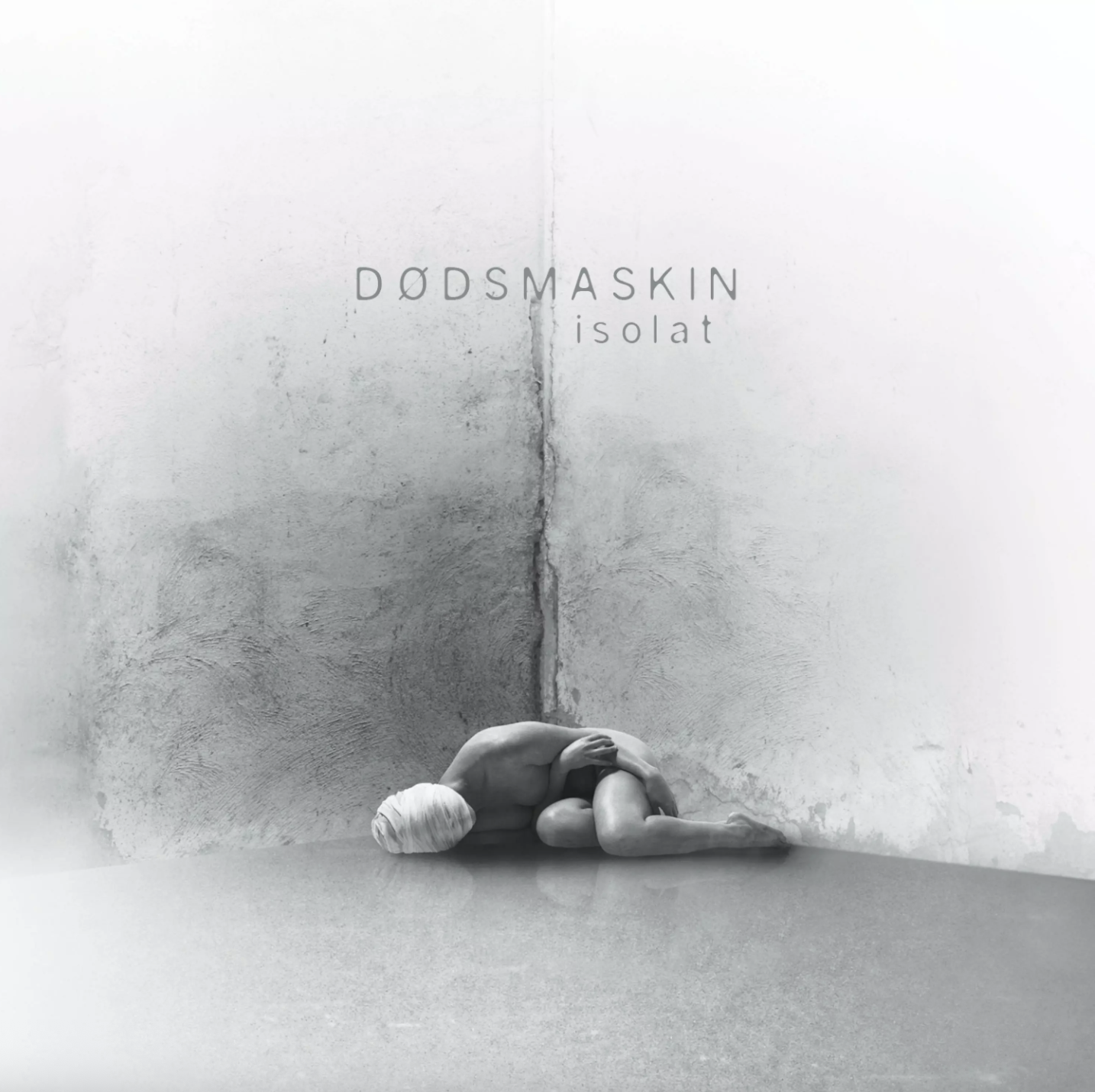
Album Review - Dødsmaskin - Isolat (2025)
Unlike Depeche Mode, who long ago figured out how to make industrial-adjacent music palatable to people who still believe in brunch, Norwegian duo Dødsmaskin are making music for an audience that might not exist. Maybe it's just the two of them in a bunker, broadcasting sonic distress signals to no one. And maybe that’s the point. There’s a freedom in willful obscurity, and it manifests in their unpredictability. The kind of creative zigzagging that only becomes possible when you give up on sustainability as a guiding principle.
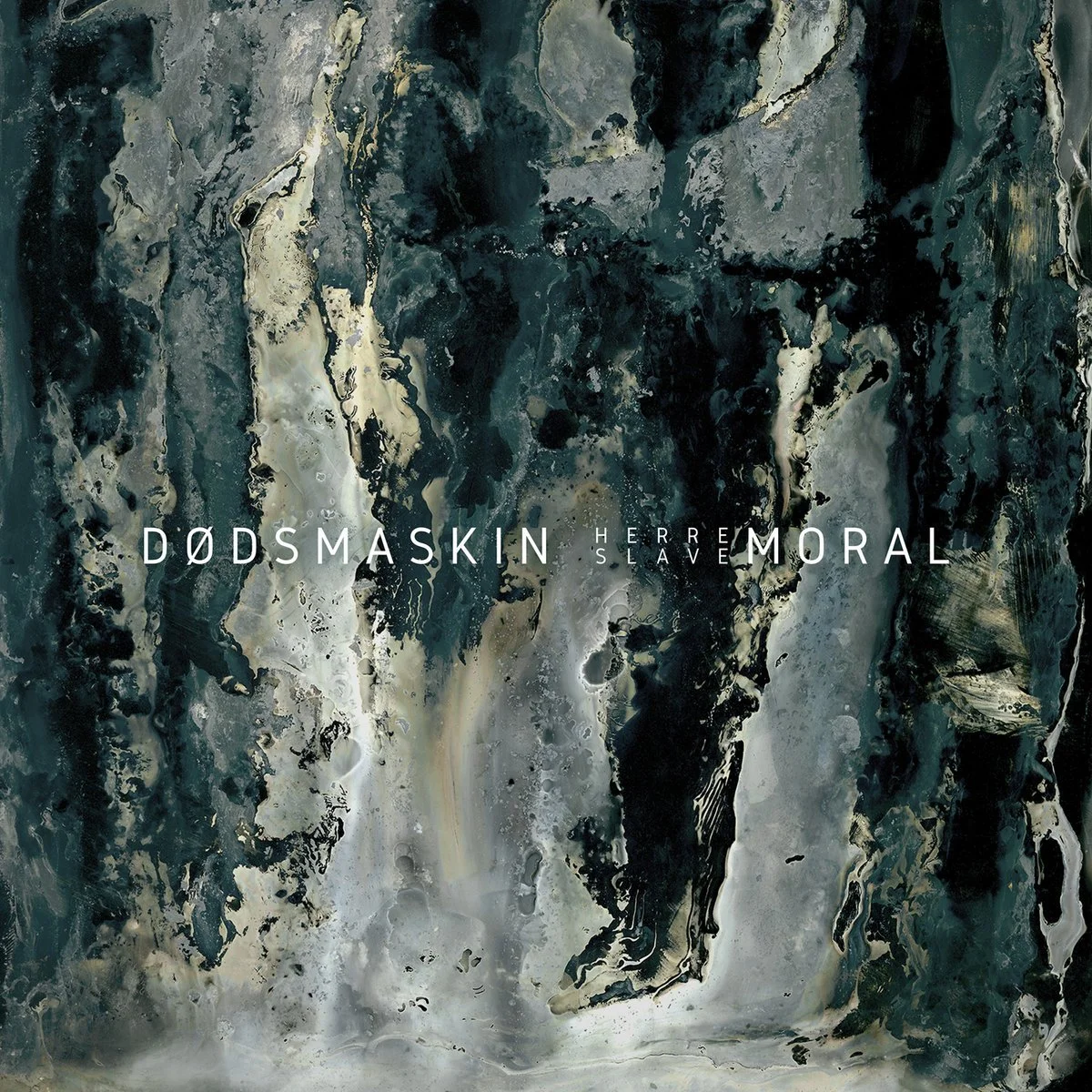
Their 2022 release Herremoral | Slavemoral was, improbably, a danceable apocalypse. Their new record, Isolat, is not that. It is, in fact, something else entirely. It’s not a sequel or an evolution—it’s a jump cut to a different existential plane.
So, what is Isolat exactly? There’s unfortunately no clear cut answer. Kjetil Ottersen and Peter Vindel, the two halves of Dødsmaskin, call themselves death machine industrial and it’s accurate only in the way a warning label is.
Isolat is tethered to death industrial as a genre, but it also floats into ambient territory. Not the pitch-black void of dark ambient, but a more melodic, contemplative strain: Brian Eno if he was more paranoid, Tim Hecker if he stopped romanticizing decay and started interrogating it. This tension between mechanical brutality and synthetic melancholy is what animates Isolat.
There’s a cinematic quality to this record also that wasn’t present on Herremoral | Slavemoral. A song like Terrorstruktur shows clear influences from Vangelis’s bombastic synth soundtracks set to a bone crushing industrial beat. There’s beauty here, but it’s the kind you find by accident while fleeing a fire. Melody appears sparingly, and when it does, it’s never comforting. It’s more like an unsettling reminder of something we used to love, but collectively fucked up.
And then the album shifts. Isolat is slippery that way. Tracks like Aldri igjen et menneske (Never again a human) retreat into pure death industrial minimalism: bleak, guttural, echoing with the sounds of machines dreaming about extinction. Likvake ("Wake") pushes that dread further—a decaying soundscape where ghostly whispers hover over rhythmic pulsing, like a séance held inside a collapsing data center.
But the most memorable track might be Maskinen eier dem (The Machine Owns Them), where rhythm almost (keyword here being almost) becomes danceable. It’s a perverse standoff between mechanical compulsion and bodily resistance. You can hear the groove, but to move to it would be to admit defeat. It’s a sonic metaphor for the slow, pleasurable doom of techno-capitalism: efficient, addictive, and hollow. It's not supposed to feel good. It’s supposed to feel true.
Kollaps I sakte film (Collapse in Slow Motion) is like listening to a corrupted VHS tape of your own funeral. It glitches, it pulses, it floats—but something about it feels off, like beauty reverse-engineered by a machine that doesn’t understand the concept. The melody is there again, thin and threatening, like a thread you shouldn’t pull.
And then there’s the closer, Betonggraven (Concrete Pit), which may be the album’s biggest surprise. Warm, looping, and oddly gentle, it recalls William Basinski’s Disintegration Loops if they were composed inside a nuclear silo during the last 24 hours of the world. It feels like watching a lost memory dissolve through a radiation-smeared lens. For once, there’s a sense of peace—but it’s a haunted kind of peace. A flicker of something better, glimpsed too late.
*
I liked Isolat more than Herremoral | Slavemoral, and not because it’s more accessible. It isn’t. It’s harder to define, more internalized, more warped in its emotional logic. It’s the kind of record you don’t “get” so much as inhabit—or maybe it inhabits you. There’s no telling where Dødsmaskin will go next, but it wouldn’t be shocking if their next project was a film score for something bleak, beautiful, and Scandinavian.
Because if Isolat proves anything, it’s that this duo can conjure dread, grace, and collapse in equal measure. And in 2025, that’s not just art. It’s prophecy.
7.6/10
* Follow me on Instagram and Bluesky to keep up with new posts *