A Subjective History of Viking Metal
Vikings and metal have always felt cosmically intertwined, even if they technically never shared a historical timeline. The world’s most annoying gatekeeper would argue that Vikings were metal before metal even existed and honestly? They kind of were. The two concepts are the Big Mac and 3AM of the cultural fast food menu. It just makes sense to enjoy them together, even if your doctor says it’ll probably kill you.
That’s why viking metal didn’t just emerge, it was inevitable. As soon as Scandinavian youths got their hands on guitars and amps, extreme metal and Nordic folk traditions began fusing like Dragonball characters. At first, this took the form of a black metal offshoot dreamed up by a Swedish teenager who grew bored with Satan as a lyrical concept (a bold move, given how hard Satan tries to be interesting).
Soon after, it became a full-blown microgenre that still clings to relevance with the stubbornness of a frostbitten warlord.
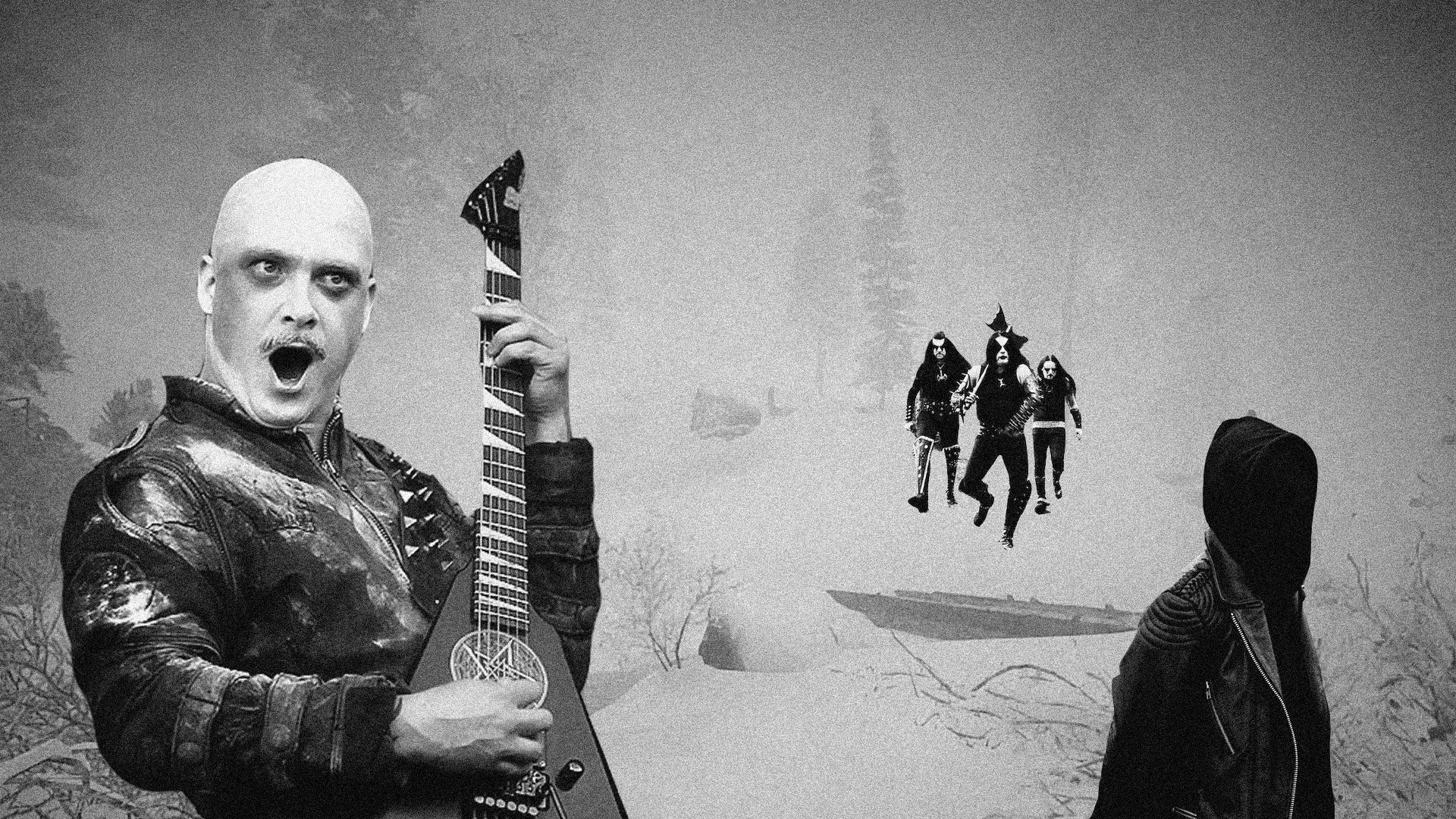
Now, it’s easy to confuse viking metal with folk metal. They wear the same pelts, drink from similar horns. But philosophically, they're about as alike as Nietzsche and a keg stand. Viking metal doesn’t celebrate. It communes. It doesn't dance around the fire; it broods beside it, staring into the embers like they owe it money. And yes, because it is often played (and appreciated) by extremely uncompromising people, it tends to attract problematic fans—chiefly, racists who make Norse mythology both their politics and their identity. YOU KNOW WHO I’M TALKING ABOUT HERE.
Even if you have to curate your playlists for optimal moral hygiene, it doesn’t mean viking metal is not worth listening to, though. Without further ado, here is my subjective history of the genre.
There Was Quorthon, and Then There Was Everyone Else
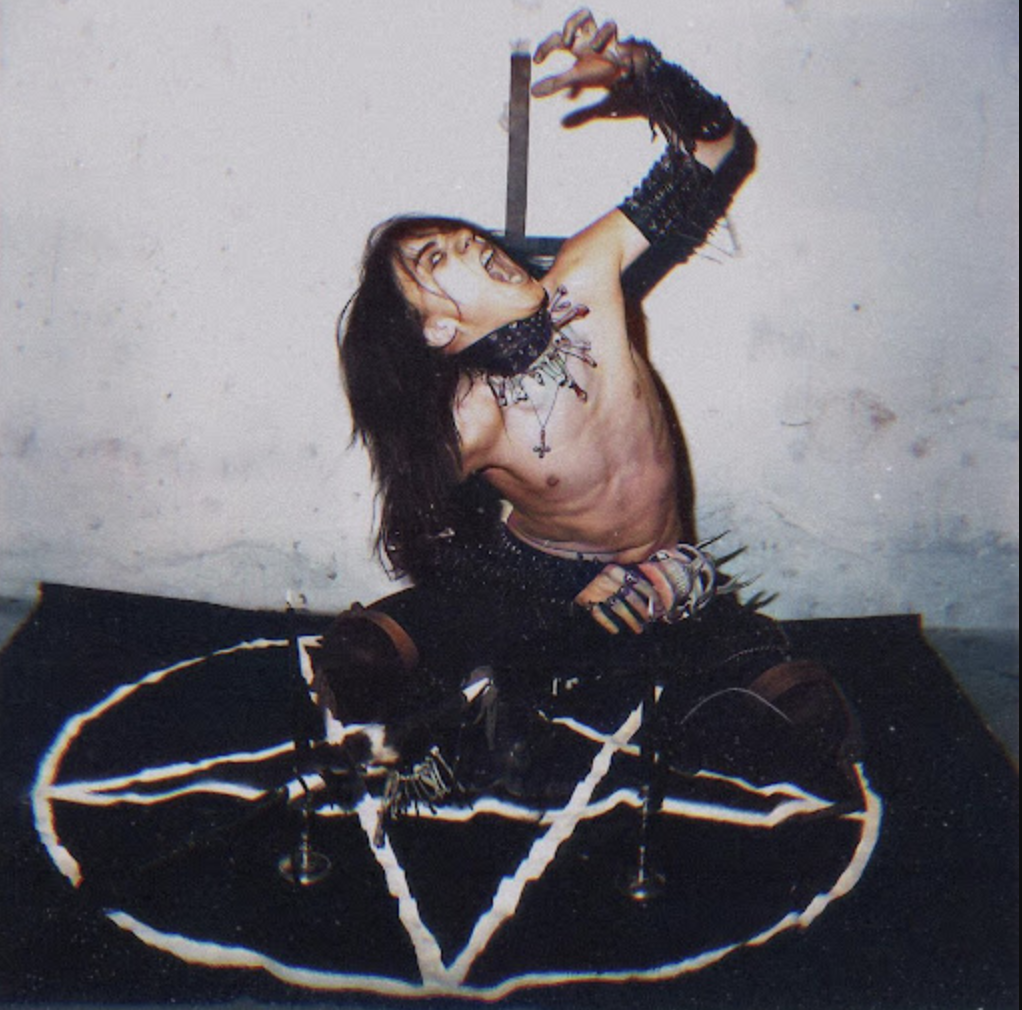
Every genre has a prophet, and for viking metal, it was a scrawny 17-year-old Swede named Thomas Forsberg, better known as Quorthon. In 1983, in the middle-class Stockholm suburb of Vällingby, he started a band named after Countess Erzsébet Báthory, a woman best known for (allegedly) bathing in the blood of virgins, which is both horrifying and metal as hell.
Some will tell you this is where black metal began. Others will insist Venom had already done it years earlier. But this debate is like arguing whether Star Wars or Star Trek is more important to science fiction. You’re not talking about art anymore, you’re revealing something about who you are and what’s important to you.
Quorthon didn’t just copy Venom’s underproduced thrash aesthetic, he refined it. He made it feel purposeful, like chaos on a mission. But here’s the twist: he got bored (at least, I think that’s what happened). By the time 1988’s Blood Fire Death came around, he started writing songs with acoustic guitars, clean vocal harmonies, and sweeping, cinematic compositions. It still sounded like black metal, but now it felt like folklore. Like myth made electric.
I like to think of Blood Fire Death as the spiritual blueprint for Darkthrone A Blaze in the Northern Sky, even if that’s not quite historically correct. Doesn’t matter. What matters is that Quorthon did what few artists do: he pivoted without betraying himself. His next albums, Hammerheart and Twilight of the Gods, were slower, cleaner, heavier and absolutely monumental. Both still hold up today.
This was the genesis of viking metal: black metal’s haunted cousin who discovered books, took a long walk in the woods, and came back with a beard and a god complex.
Viking Metal vs. Folk Metal: One Drinks Mead, the Other Talks to the Wind (An Addendum)
The biggest difference between viking metal and folk metal comes down to compositional ethos. Viking metal is still very much metal, it just happens to bring in elements of Norse culture to deepen its spiritual reach. It uses traditional instrumentation sparingly, as a tool, not a gimmick. It’s not music for dancing or drinking. It’s music for remembering, the kind of remembering that makes your bones feel older than they are.
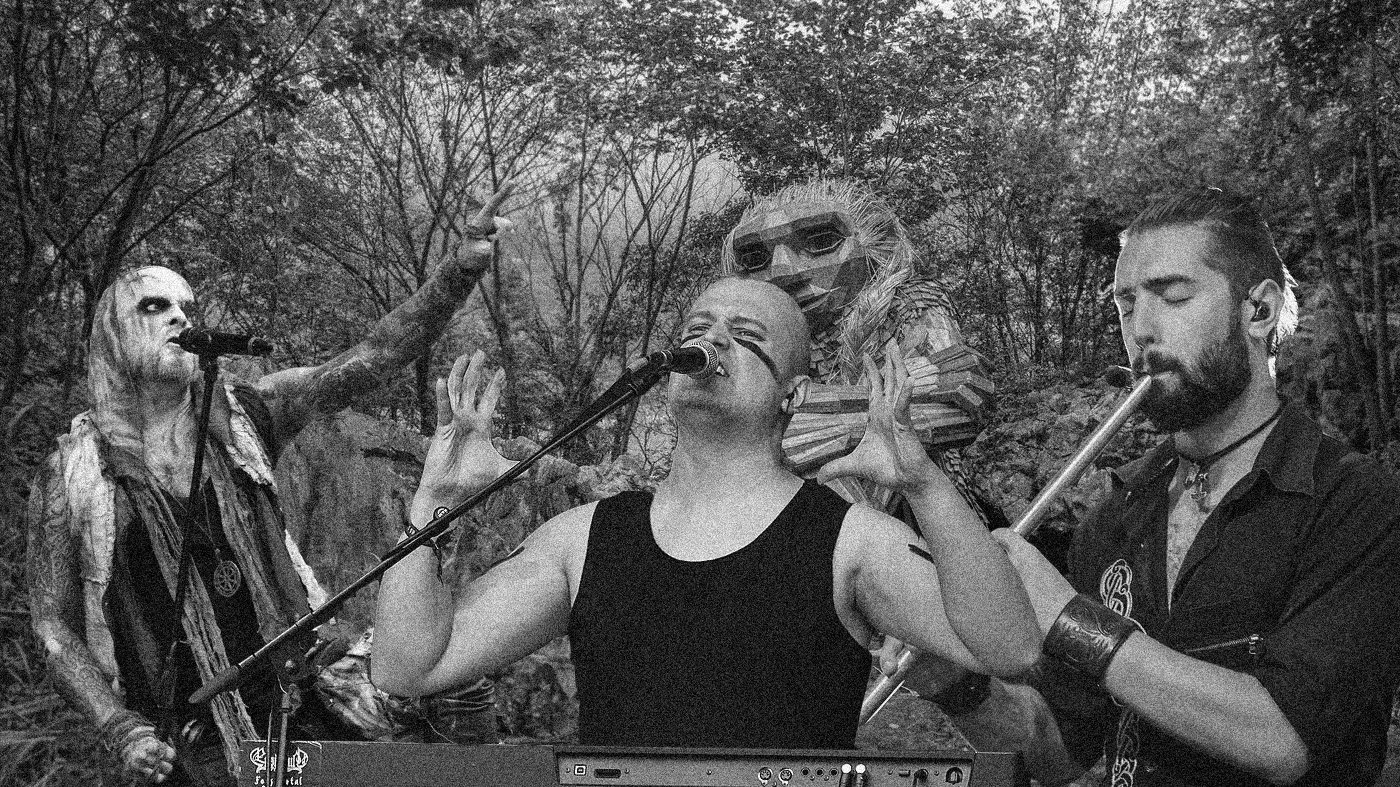
Folk metal, by contrast, is a party. It’s about reenactment. It throws on a tunic, grabs a pint, and sings songs about dragons with its arm around a stranger. It’s fun, which is why viking metal people are suspicious of it. Viking metal is theological; folk metal is theatrical. They both build altars, but only one of them actually kneels. The genres are blood related, but they don’t really talk.
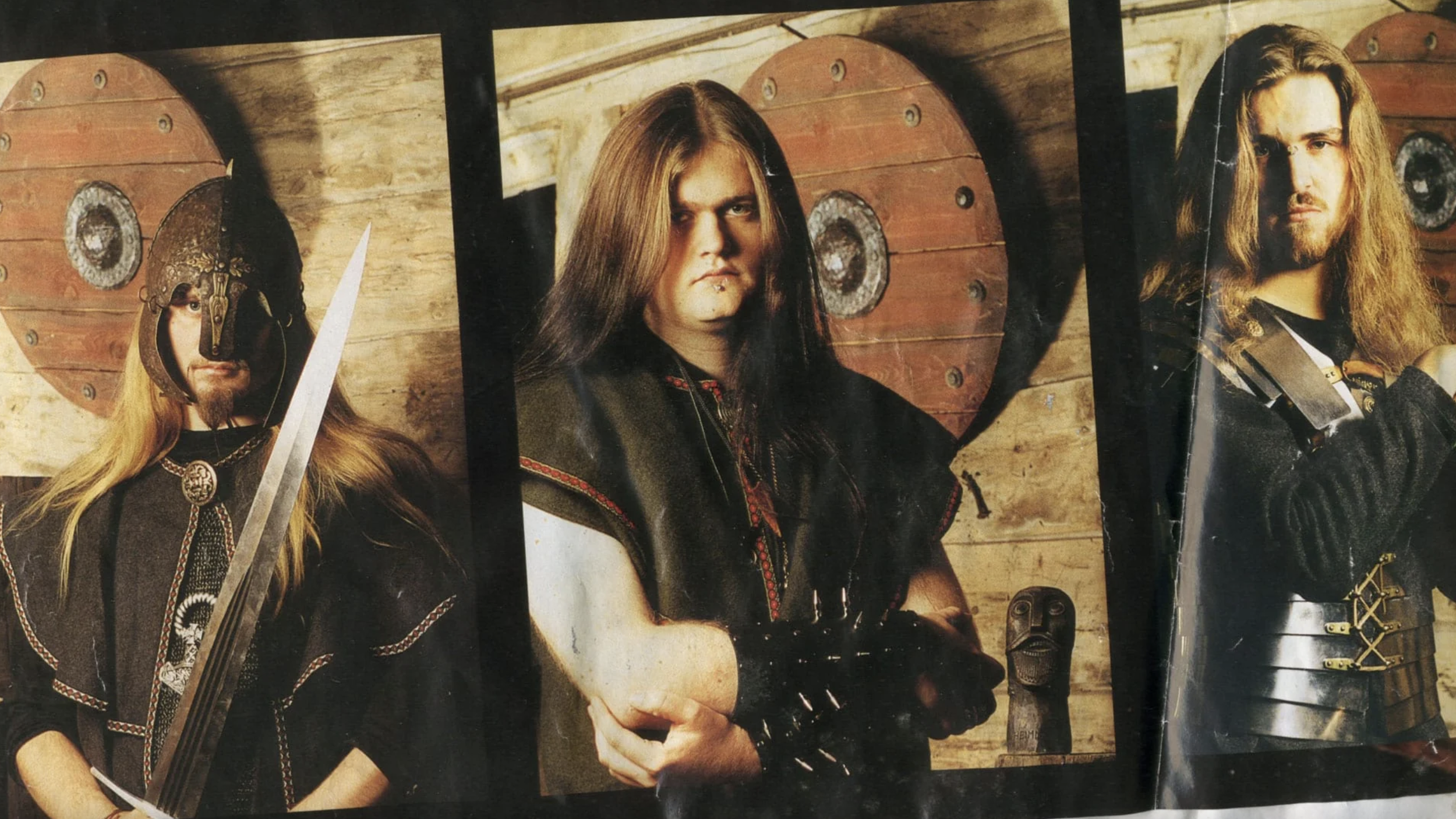
The Late Modern Vikings (or The Guys Posing In Armor, Taking Themselves Too Seriously)
Viking metal never stayed frozen in Quorthon’s snow globe. Bands like Enslaved emerged in the ’90s as evolutionary successors, adding progressive complexity and texture without abandoning the genre’s core ideas. Enslaved has always felt like a band that could time-travel. They use blast beats and tremolo picking, but also synths, nature samples, and songs that unfold like ancient sagas written on LSD.
They’ve been doing this since their album Frost in 1994 and haven’t stopped experimenting since. Their discography is like a bridge connecting Ragnarök to Radiohead.
Then there’s Falkenbach, a solo act from Düsseldorf and one of my favorite viking metal projects. His 2005 album Heralding – The Fireblade isn’t just music, it’s landscape. It’s mood. It’s the sonic equivalent of watching snowfall from a mountaintop while contemplating the impermanence of empire. Falkenbach’s Markus Tümmers once said he rejected the frontier between person and world, and if you’ve heard his music, you know exactly what he meant. You feel it, like mist settling into your lungs.
Borknagar also deserves mention. A kind of supergroup with members from Dimmu Borgir, Gorgoroth, and Enslaved (among others), they sound like a symposium between warlocks and scientists. Their take on viking metal is more bombastic, less meditative, but no less legitimate. If Falkenbach is the whisper from the ancient gods, Borknagar is the thunder.
Even Fenriz of Darkthrone had a side project called Isengard, which was raw, lo-fi, and strangely spiritual in that way only tape-hiss viking anthems can be.
And yes, there are other bands. Windir, Thyrfing, Skálmöld (their early work). They all contribute to the soundscape. It’s not an exclusive club by any means. Just a geographically specific one. Viking metal isn’t about cosplay. It’s about conviction. Italians, for example, might be more suited to inventing Etruscan metal with togas and melodrama than trying to fake an attachment to Odin.
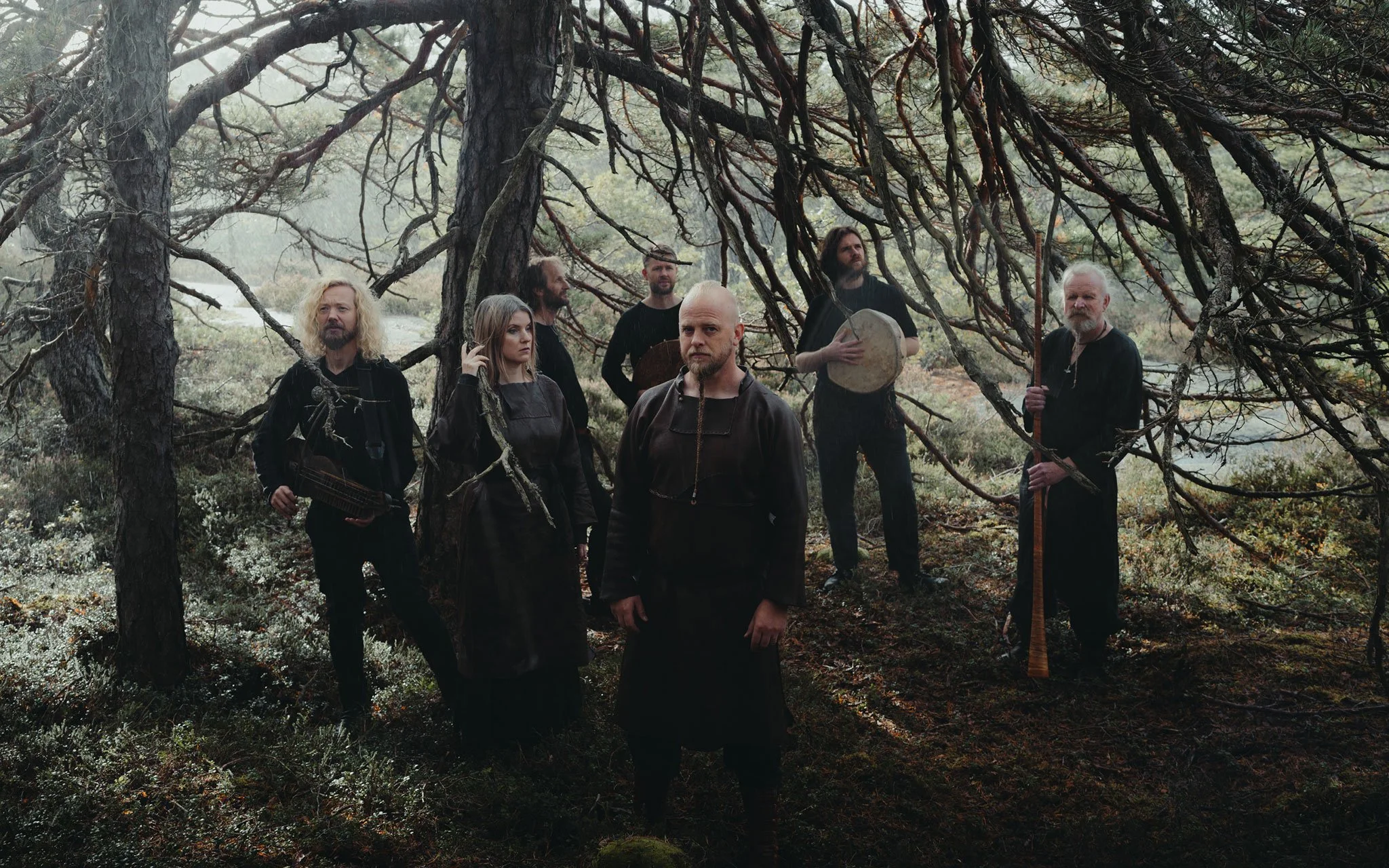
The XXI Century and the Aesthetic Collapse
By now, viking metal, as an actual sonic genre, has dissolved into what I would call cultural appropriation for lack of a better term? Everyone with a runestone tattoo and a power chord claims to be part of it. Bands like Amon Amarth or Ensiferum, often lumped into the category, are really folk metal and melodic death metal with viking frosting. They’ve got the aesthetic, but not the compositional philosophy. Nothing against these bands, they’re just something else.
What used to be a niche subgenre is now a brand—something you put on a patch or a beer label. But as your friendly neighborhood genre nerd, I’m here to remind you: viking metal was never just about visuals. It was always more complicated. It still is.
It survives today in a small core of diehards, true believers, and atmospheric weirdos. People who listen to music not just to bang their heads, but to feel small in the face of time.
Bathory - A Fine Day to Die : This is more or less the first viking metal song ever released. The raw energy of black metal is filtered through a more spiritual, elegiac approach. A connection to the distant past, rather than a break from the recent one. It’s subtle, but it’s there. This is where it all started—a howl aimed at history instead of hell.
Enslaved - Yggdrasil : Mouth harp, tribal rhythms, and proggy digressions. It’s like hiking through a forest and suddenly discovering quantum mechanics.
Falkenbach - Hávamál : A slow-burning meditation on existence. This is what it feels like to become a mountain.
Borknagar - Future Reminiscence : Here’s an example of a more powerful, in your face spin off viking metal. The use of horns, organ, galloping riffs, mix of harsh and clean vocals. It’s a more refined, better produced heir to Bathory. It’s the Wagnerian side of viking metal.