Book Review : David Simmons - Fetty on the Switches (2026)
One of the hardest feelings to create in fiction is a clear, convincing sense of danger. Anyone can write a dangerous situation. A gun, a bad room, the wrong guy asking the wrong question, these are not difficult instruments to play. What’s difficult is writing danger without an obvious exit route, where the reader understands the character might survive but cannot quite understand how. David Simmons has always been good at this. His novels feel dangerous and surreal almost in spite of themselves.
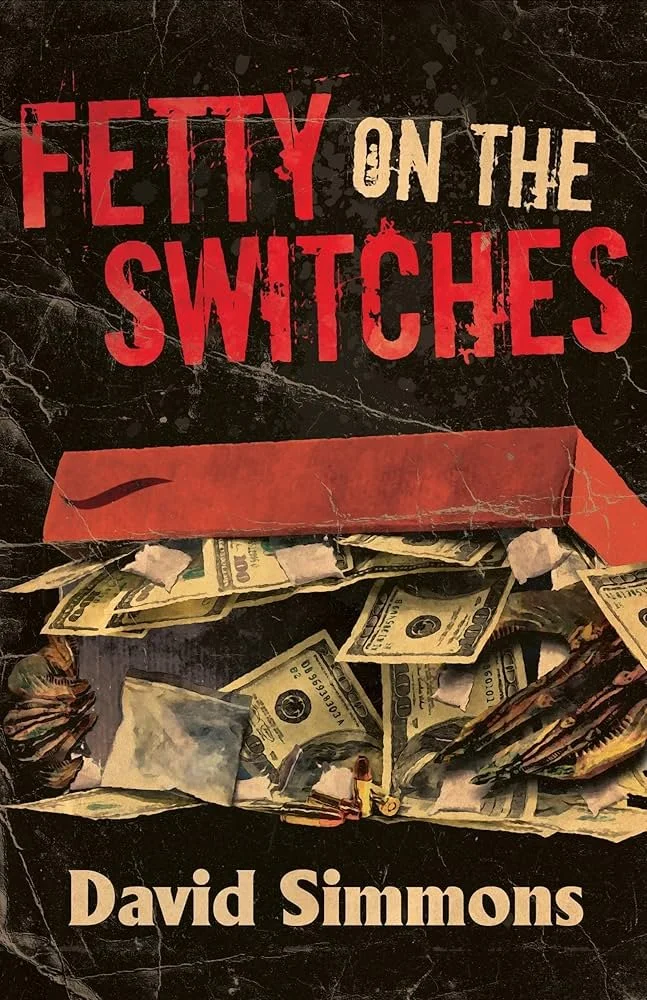
Born and raised in Baltimore, Simmons writes like volatile, life-or-death situations are a part of his emotional vocabulary. As if death and resolution were twins separated at birth. Philosophically speaking, they are the two protagonist of his upcoming short story collection Fetty on the Switches, where he reveals an uncanny talent for urban horror.
Fetty on the Switches features twenty short stories across roughly 180 pages, and the easiest way to describe its atmosphere is Tales from the Crypt filtered through early Ernest Dickerson: sweaty, stylish, mean and lit like something terrible is happening just outside the frame.
You know those cable horror shows that used to air reruns at 3PM on Sunday afternoons, back when no one seemed especially concerned about not traumatizing children? That’s the atmosphere Simmons is operating in here. Cheap dread. Bad decisions. Rooms you should not enter but already have. The stories in Fetty on the Switches don’t provide the comforting belief that someone is coming to save you. Being saved is not the point. Losing pieces of yourself is also part of the deal.
This is horror about keeping your lights on at any cost, as your vision is growing dim.
I don’t review that many short story collections anymore for the same reason I don’t order the fucking menu to share at a restaurant. I don’t want a little of everything. I want a lot of the thing I chose to eat.
Fetty on the Switches has cohesion, though. It doesn’t feel like twenty unrelated pitches thrown into the same bag. It feels like a walk through a war zone where reality and anxious thought are cut from the same cloth. Every street corner conceals a threat. Every building seems to have a basement you can feel from the sidewalk. Every room has the atmosphere of a place where someone once made the worst decision of their life and everyone else has been living with it ever since.
The title story is a great example of Simmons’ black magic. It follows a protagonist tasked with doing the dirty work, the kind of guy who fancies himself as the end of the line for low-rent miscreants, until he crosses paths with the wrong person and realizes he might only be middle management in someone else’s nightmare. Glock Dookie, meanwhile, is set inside a prison, where reality and hope have been rubbed thin by rigidity, routine, and stillness. It understands something bleak about confinement: once you stop having anything to look forward to, meaning can take any shape it wants.
Liturgy explores the architecture of belief and the uncomfortable parallels between cults and street gangs. It’s one of the simplest stories in the collection, but it’s tinted with mythological elements that force you to question one of your rawest instincts: the need to belong to something powerful enough to justify what it asks from you. Food is Poison is another short, quirky burst about the exploitation (and weaponizing) of our most basic needs by people and the radical unknowability of the most familiar faces.
Both stories keep an impressive balance between the awfully familiar and the supernatural, which is what anchors Fetty on the Switches in such bone-chilling plausibility. The horror doesn’t feel imported from another dimension. It feels like something that could happen to you if you sleepwalk through your life assuming the world will keep honoring the invisible agreements you made with it.
A dark tinge of humor sometimes slips in David Simmons' stories like in the opener Frog Money or The Wheel of San Geronimo. I loved the homage to Brian Evenson The Language of Goats too, which could've easily been in a collection by the old master.
*
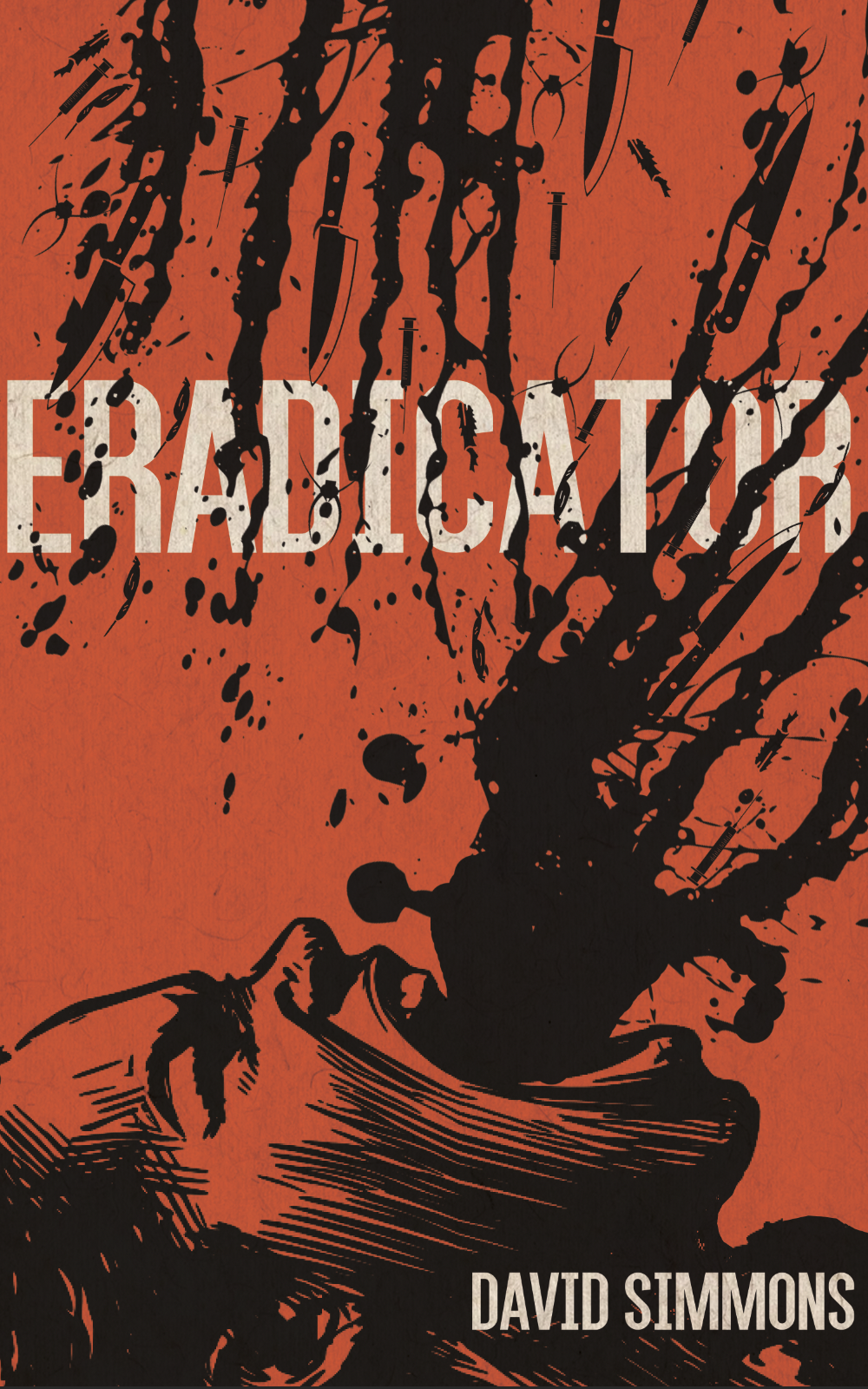
So, should you begin reading David Simmons with Fetty on the Switches? It’s always a strange ask to “get into” a writer through short stories, because short fiction is usually where a writer shows you the electrical wiring instead of the whole house. But I’d recommend either this collection or his novel Eradicator as a point of entry. Simmons’ sensibility for the thin border between life and death gives his writing an uncommon charge.
Fetty on the Switches feels like Simmons is on the verge of something bigger. His inevitable 400-page horror novel doesn’t feel far away. When it arrives, I suspect it’ll feel less like a surprise than a door finally being kicked off its hinges.
To Pre-Order and claim you knew David Simmons before he was cool.
7.8/10
* Follow me on Instagram , Bluesky and Substack to keep up with new posts *