Book Review : Eryk Pruitt - Blood Red Summer (2024)
I’m as guilty as anyone of binging true crime. It’s not because I’m proud of it, more like the opposite. The stuff is everywhere, and it works the same way as the smell of McDonald’s French fries or a strip-mall Cinnabon: once it hits your nose, the battle is already over. You’ll hate yourself afterwards, but you’ll still eat the thing. And like any industry built on unlimited appetites, true crime almost always trends toward mediocrity.
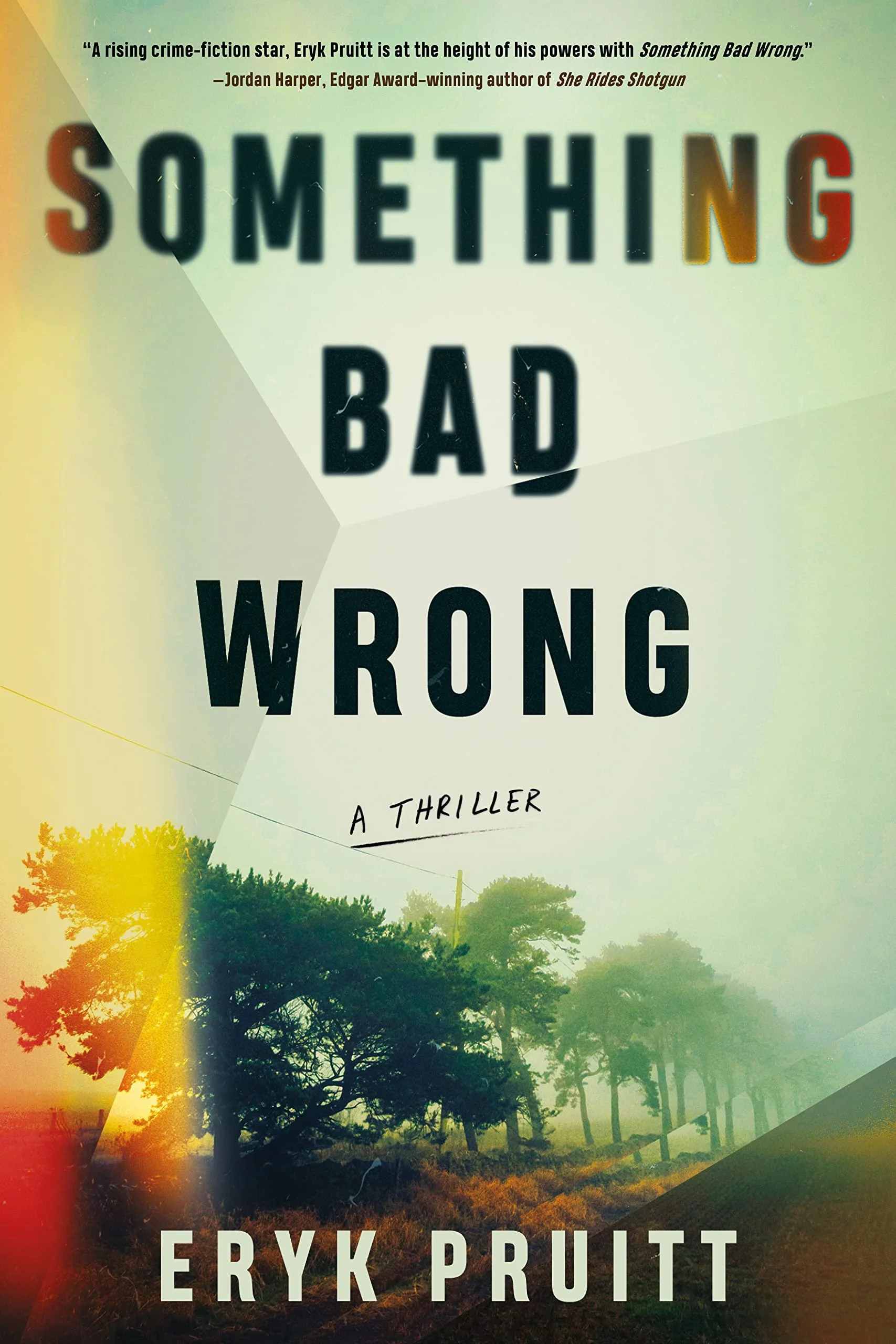
The three-episode Netflix docuseries is the genre’s equivalent of dollar-menu chicken nuggets: cheap, greasy, vaguely edible, and utterly impossible to justify. You know who’d back me up on this? Jess Keeler, the protagonist of Eryk Pruitt’s Something Bad Wrong. In the sequel Blood Red Summer, she finds herself trapped on the conveyor belt of content while her investigations wield very real and dire consequences.
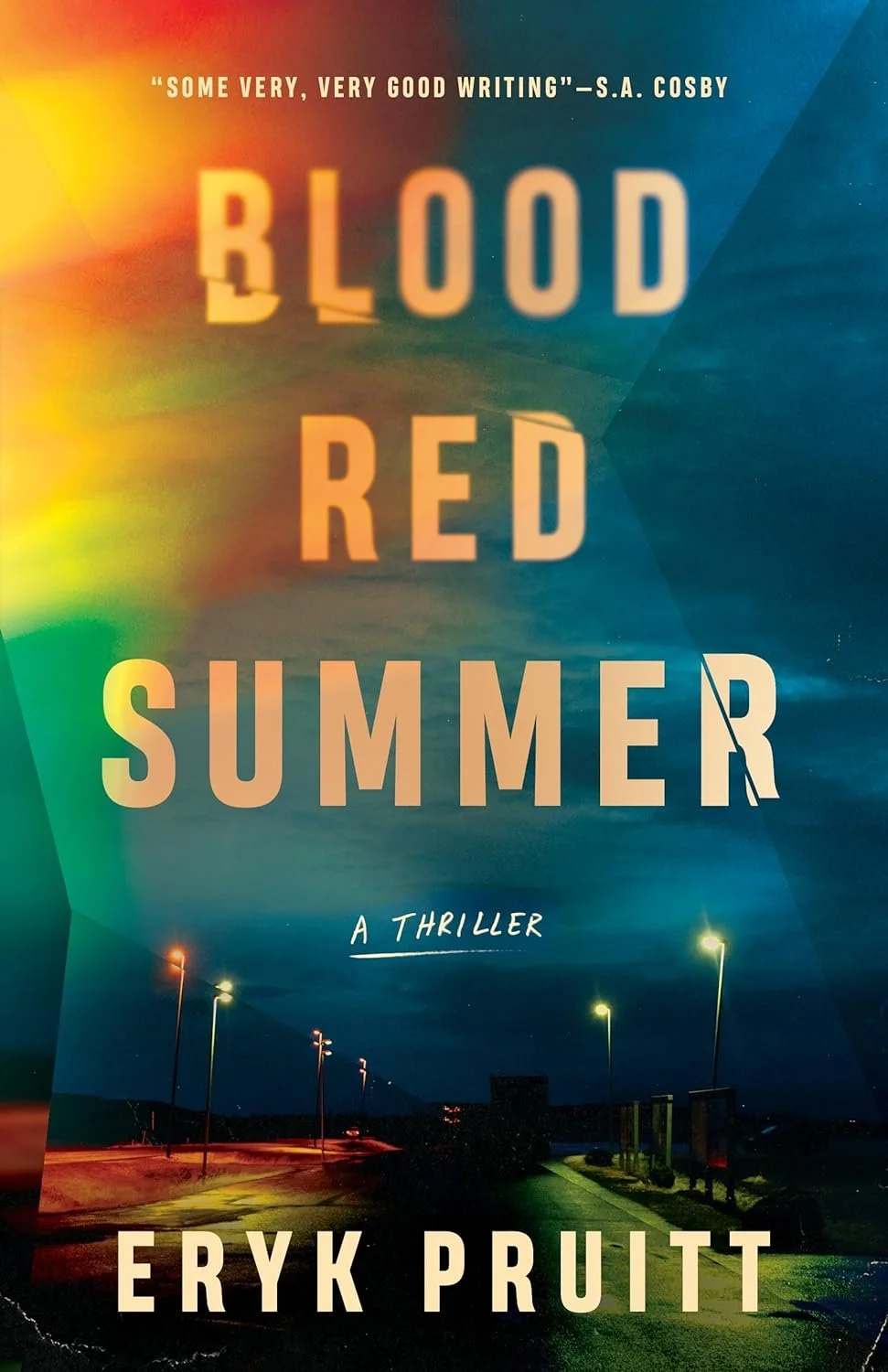
In Blood Red Summer, Jess has graduated from podcasting to developing a docuseries with a production company about the almost forgotten case of the Lake Castor sniper. Almost forgotten because they "got the guy", but it doesn’t take much investigation for Jess to start questioning whether or not they arrested the right man even if he confessed. Smelling whiffs of conspiracy and racism, she sweeps in with the best intentions.
Which is admirable, but also dangerous. Because in true crime, the story you want to tell isn’t always the story that’s actually true.
Murder and the Complicated Southern Heritage
The biggest problem I had with Something Bad Wrong was structural. Pruitt was running two timelines at once: Jess Keeler’s modern investigation and the original case as it unfolded and one character in particular made the whole thing feel like a traffic jam.
Blood Red Summer fixes that. Here, Pruitt plants the slick, conniving journalist Hal Broadstreet right at the heart of the Lake Castor sniper murders, and suddenly the engine runs smooth. Hal is the kind of guy who can charm information out of anyone and make you regret it five minutes later. He’s also slowly losing his grip on reality, like Big Jim Ballard from Something Bad Wrong, except Hal’s breakdown is metaphorical instead of the kind that requires a padded room and round-the-clock supervision.
What makes Hal charming, in that uniquely Eryk Pruitt way of making a smarmy, middle-aged gossip merchant somehow magnetic, is the fact that his death is spoiled right there on the back cover. Hal doesn’t know he’s destined to be the sniper’s final victim, but you do. It’s a brilliant trick: every scene with him has a shadow hanging over it, every offhand decision feels like he’s juggling lit matches near a gas leak.
Sure, he thinks he’s just chasing a scoop to keep his dying newspaper on life support, but really he’s wandered into a story that makes the wrong people nervous, and you never want to make the wrong people nervous in literature nor in journalism. Hal is obnoxious, yes, but he’s also great at his job. Not good. Not competent. Great. The kind of reporter who could make you confess all of your childhood sins, then sell the rights to HBO before you’re out the door.
Hal also happens to be the only white victim in a string of murders targeting people of color, a detail that, in 1984, guaranteed the case would suddenly matter. Fast-forward to the present, and everyone seems strangely content with how things wrapped up. Even Ricky Lee Patience, the man on record as the killer, can’t be bothered to argue his innocence anymore. He’d rather be left alone than re-litigate his own conviction for the sake of a documentary.
That’s what makes Hal dangerous in retrospect: he’s the variable in an equation that doesn’t balance. His death doesn’t fit the pattern, which means the pattern itself might be a lie. And in the South, where history is already stitched together with racial double standards, a "tidy resolution" doesn’t mean it’s right, it just means people got the version of justice they could live with.
On The Business Of What Really Happened
Another reason Blood Red Summer plays in the big leagues is the Jess timeline, which reads less like a crime novel and more like a meta-essay about the true crime industry itself, at times skirting the edge of antinovel territory. Jess isn’t just chasing the truth; she’s drowning in the machinery of content creation. Budget deadlines, skittish cops, producers who want drama instead of accuracy, every step forward feels like running a marathon in quicksand.
This isn’t subtle: it’s a full-blown indictment of an industry that monetizes grief the way energy drinks monetize exhaustion. But Pruitt doesn’t let Jess off easy either. She clings to the nobility of her mission, to tell the real story, to correct the record, but truth isn’t inherently noble. Sometimes it deepens wounds that were already bleeding. Sometimes it makes life worse for the people who were wronged in the first place. Sometimes, ugly as it sounds, a lie is kinder than a truth.
And Jess has to reckon with the fact that her crusade might be less about justice and more about her own obsession.
*
Blood Red Summer is undeniably one of Eryk Pruitt’s best novels, but it’s also polite Pruitt. Here, he’s in total command of story and structure, as sharp and disciplined as I’ve ever seen him. But you can feel the restraint. This is a Thomas & Mercer release aimed at a mainstream audience, which means he’s on his best behavior. And that’s fine, this is a novel almost anyone can enjoy.
But I know what Pruitt is capable of when he stops being polite. I’ve read him ungloved, crass, morally ambiguous to the point of discomfort. Somewhere down the line, he’s going to write the book that doesn’t just entertain but actively pisses people off. The kind of book that splits a room in half: pariah to some, a god to everyone else.
And after Blood Red Summer, I’m more certain than ever that he’s got it in him.
8.1/10
* Follow me on Instagram and Bluesky to keep up with new posts *