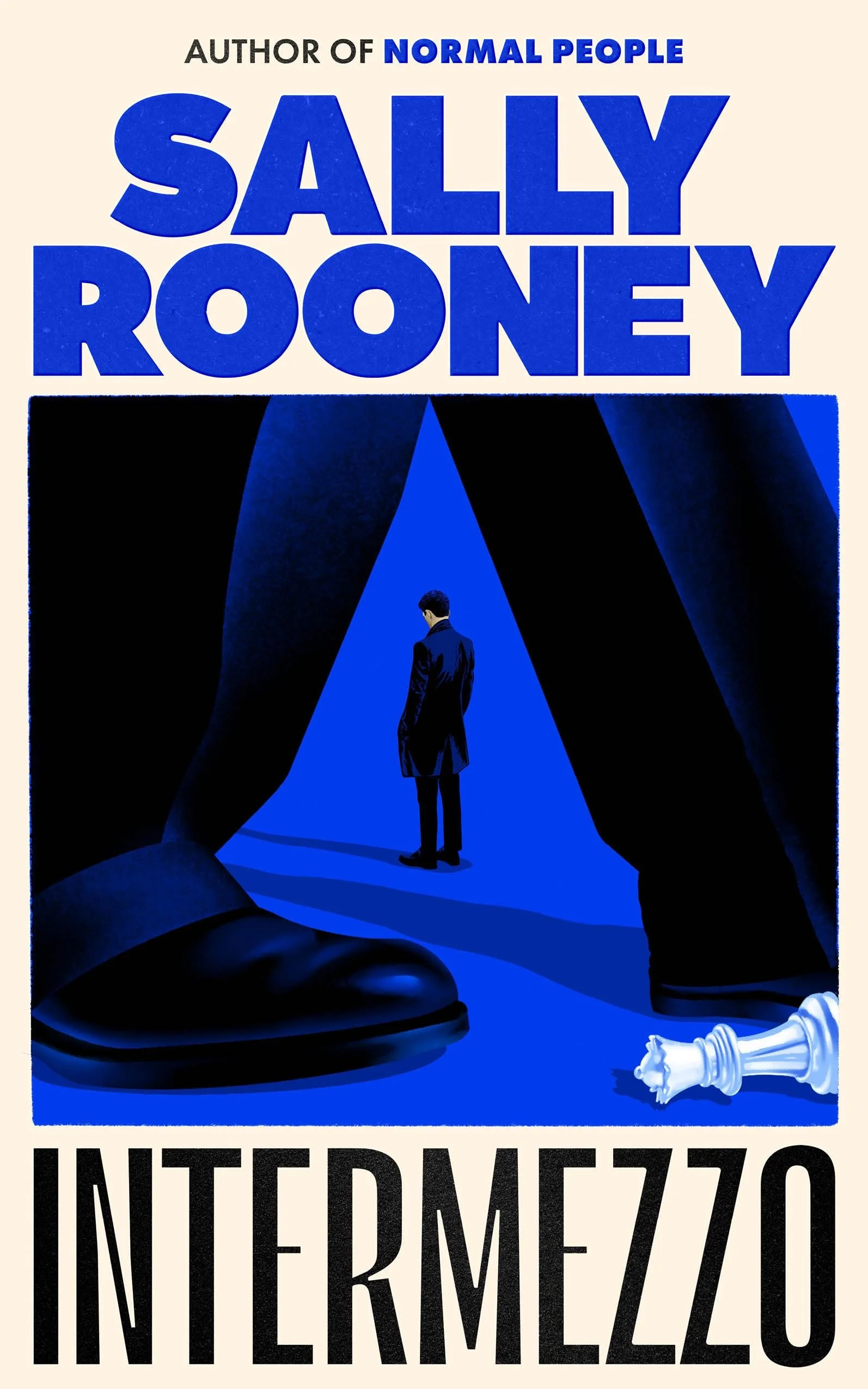
Book Review : Sally Rooney - Intermezzo (2024)
I’ve never met anyone (myself included) who’s finished Proust and said: "Dude. That was insane." Declaring your love for In Search of Lost Time is performative to the point of parody in literary circles. It’s like saying you enjoy slow cinema or that Radiohead’s Kid A changed your life. It might be true, but it also tells people who you think you are. Still, Proust’s career made a crucial point: you don’t actually need a story to write a novel.
You just need to believe that small moments matter. That they’re worth unpacking, overthinking, obsessing about. And that’s exactly what Sally Rooney has built a literary career doing, slowing time down to examine the micro-movements of love, status, and alienation, one deceptively powerful sentence at a time. Her latest novel Intermezzo is about two brothers who have no idea how to go on after their father’s death and yet it’s oddly magnetic and relatable?
Intermezzo follows two Irish brothers of Eastern European descent, Peter and Ivan Koubek, born ten years apart and seemingly growing in opposite directions. Peter is a successful but spiritually marooned lawyer caught between two women and zero convictions. Ivan is a socially maladapted chess prodigy who understands how to win on the board but not how to exist in the world.
Each stumbles into a relationship that doesn’t just complicate their lives, but clarifies them. Women who serve less as love interests and more as unexpected catalysts for self-reckoning. The real game here isn’t love or chess or career, it’s identity. And Intermezzo asks the quiet but brutal question: are we capable of becoming someone new, or are we only ever rearranging the same broken pieces?
Becoming The Man (You Were Meant To Be)
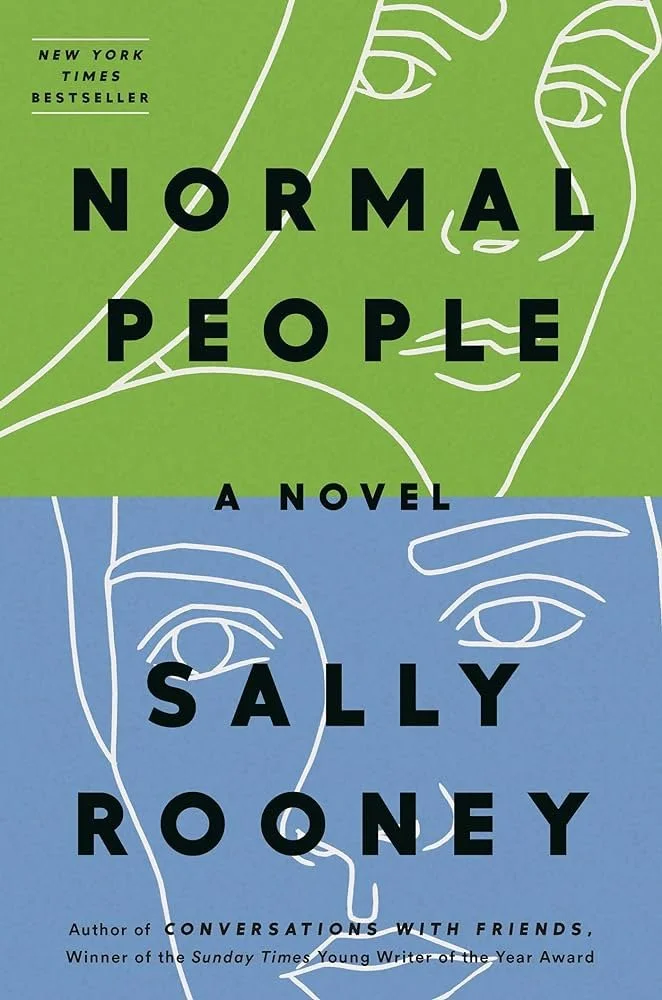
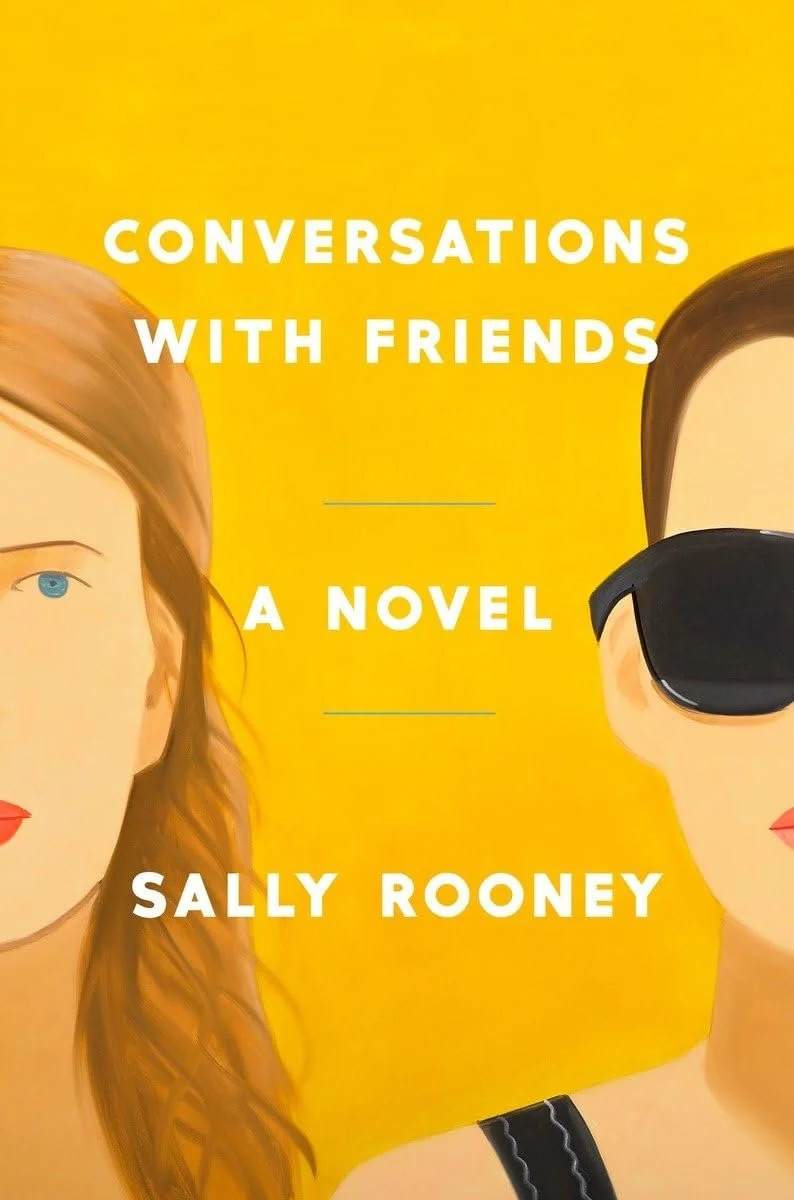
Intermezzo is Sally Rooney’s fourth novel, and it lives in the uneasy space between the raw emotional urgency of Normal People and the arch, sexually elliptical cool of Conversations with Friends. It makes a kind of abstract sense: both protagonists are young, able-bodied men, and young, able-bodied men tend to process emotional collapse the way they process everything else: by trying to fuck their way through it.
But there’s something off about it here. The grief and longing don’t quite fuse. Maybe that’s intentional. Grief is dislocating, after all. But the book seems stuck between sincerity and distance, and it never fully commits to either. You don’t feel the heat or the heartbreak. You just feel… weird. Peter and Ivan are longing for a part of them they’ve lost with the passing of their father and the only way they can get through the ordeal is to symbolically step up in his role as one half of a conventional domestic unit.
In other words, both brothers are being asked to become "the man of the house", to step into some imagined role of masculine responsibility in the wake of their father’s death. It’s a compelling narrative conceit, but it doesn’t fully land, because their father is defined more by his absence than by any meaningful presence or legacy. He’s a ghost without a shape.
This murkiness affects the brothers differently: with Ivan, the ambiguity feels earned. He’s still building his masculinity in real time, mostly through his awkward, tentative relationship with Margaret. But Peter? With Peter, it’s a mess. He’s clearly haunted by his father, but not in any way that’s tangible, specific, or relatable. You spend half the novel wondering what the hell his actual problem is and not in a good, interesting mystery kind of way. Just in a maybe he needs to eat a sandwich and take a nap kind of way.
Women As Proverbial Glue For Broken Men
This leaves us with Naomi, Sylvia and Margaret, three female characters who’s sole jobs are to nurture into manhood two overgrown, semi-orphaned boys.I get that they’re supporting characters, but their support feels transactional, like emotional labor dressed up as plot development. At times, they read less like people and more like assigned therapists with romantic benefits. And that’s frustrating, because they are great characters.
Particularly Margaret, who allows herself to be seen and loved by a younger man in a way that feels genuinely vulnerable. But their femininity is boxed in. It’s instrumentalized. They’re not allowed to want things beyond what the Koubek brothers need them to be. Which, ironically, makes them the most emotionally legible characters in the novel, even as they’re denied full dimensionality.
So I’m not entirely sure what I was meant to feel. Was I supposed to fall in love (symbolically or otherwise) with Peter or Ivan? Is Intermezzo Rooney’s attempt to peel back the layers of conventional masculinity and find something soft, confused, and real at the center? Maybe. Sort of. I don’t think Rooney fully knows what to make of these two men either.
They don’t really need each other, but the novel suggests quietly, almost begrudgingly that they might still be better off in each other’s orbit. The whole thing feels both strangely rigid and idealized, like a very straight novel trying to express something tender about broken male interiority without ever saying it out loud.
And maybe that’s the charm. We’ve been trained, culturally, emotionally, even algorithmically, not to burden people with our internal lives. To shrink it down, keep it moving, don’t make it awkward. But the suffering doesn’t shrink with it. What Rooney does, at her best, is untether that quiet inner voice we’ve all been taught to mute. She gives it permission to speak. And even if you’re not entirely sure what you’ve heard, you know it saw something true in you.
*
Intermezzo is the weakest Sally Rooney novel I’ve read, but it’s still almost as good as Conversations with Friends. The difference is mostly tonal: it’s a little more adrift, a little less sure of itself. That’s the risk of writing from two perspectives. Ambition makes things messier, and it’s hard to fault an author for reaching.
But there’s a creeping sense that Rooney’s characters are starting to slip away from her. Not in the sense that she’s lost control, but that the emotional precision that made Normal People feel like a lightning strike is starting to blur. Don’t get me wrong: she’s still a generational talent. But maybe it’s time she turned the gaze inward again. Less social archetypes, more soul-searching. She’s overdue for a novel that’s not just about youth, but about herself.
7.4/10
* Follow me on Instagram and Bluesky to keep up with new posts *