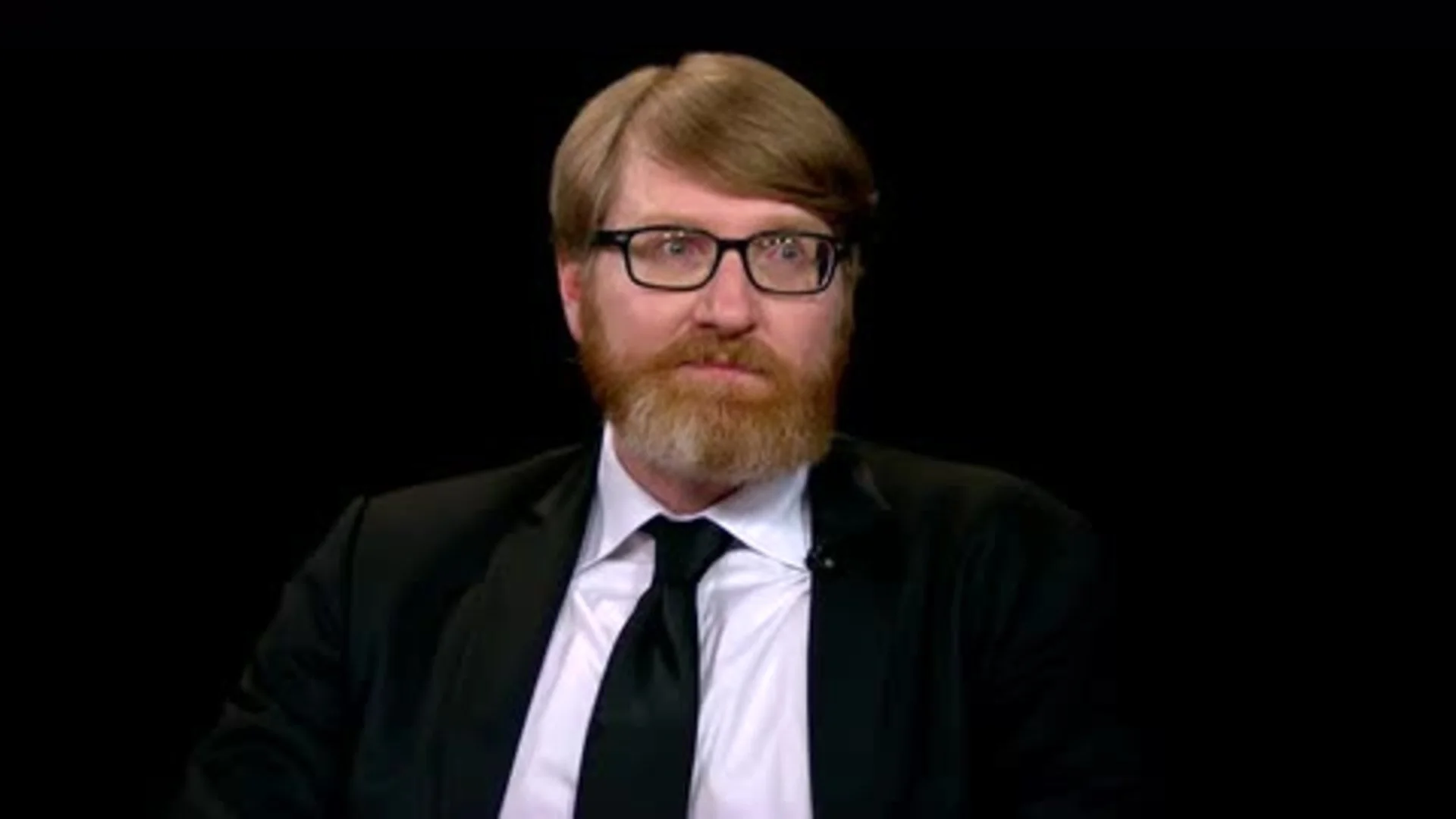
Klosterman & Me
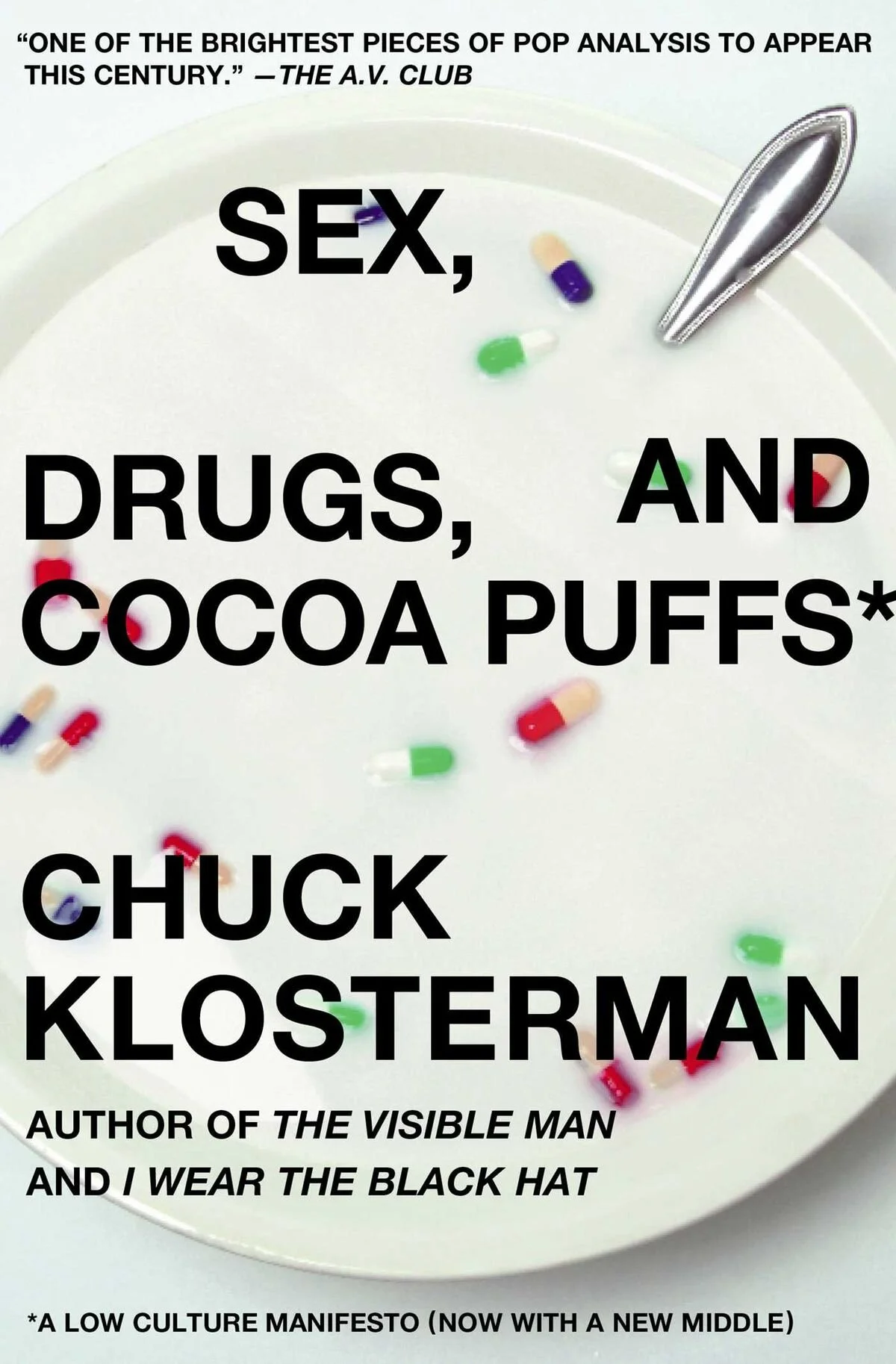
The first thing I ever read by Chuck Klosterman was This Is Emo, the opening essay in Sex, Drugs, and Cocoa Puffs. This is not an interesting fact. It is almost certainly the most common way people encounter Klosterman, which means it’s also the most boring origin story imaginable. Saying you discovered Klosterman through This Is Emo is like saying you discovered Nirvana through Nevermind or that your first beer was whatever was cheapest at the convenience store. It doesn’t make you unique; it makes you statistically average.
My friend and then co-worker Jarrod suggested that I read Klosterman because I was fumbling with a David Foster Wallace essay collection that I only partially understood. "He’s a little hipsterish" he said. "Maybe he's not gonna be your thing.”
This Is Emo is also, by far, the most discussed essay in Chuck Klosterman and Philosophy: The Real and the Cereal, a book so obscure and unsuccessful that its very existence feels like a prank played on graduate students. Which means that, for a lot of people, This Is Emo is both the beginning and the end of their relationship with Klosterman’s writing.
I don’t have empirical proof of this. But if you ever bring up Chuck Klosterman in conversation, the discussion will almost immediately collapse into two reference points: "That emo essay" and his occasional appearances on the Bill Simmons podcast. This is how Klosterman exists culturally for people who don’t really care about him,as a guy who once wrote something about John Cusack and now talks about sports.
This Is Emo, for the record, is an essay about how romantic comedies starring John Cusack created impossible emotional expectations for men. It is cute. It is extremely dated. And it is nowhere near the best thing Klosterman has ever written. It probably doesn’t crack his top thirty. If you ranked his essays the way people rank Metallica albums, this would be somewhere around Load.
And yet, it changed my life.
My immediate reaction was not sophisticated. It was simply: This guy gets it. He understands that actors like John Cusack don’t just entertain us, they quietly rewire our emotional expectations. They make us want things that don’t exist, and then convince us that we’re failures for not achieving them. This realization is not original. Even having this reaction is unoriginal. But it was mine.
Then something annoying happened: I couldn’t stop thinking about it.
I started interrogating my own relationship with romantic comedies and why so many of them left me cold. Eventually, the problem became obvious. Almost all of these movies end at the exact moment when things should start getting difficult. The story stops at the first kiss, or at the triumphant reconquest of someone who conveniently wasn’t around for most of the film.
Romantic comedies are excellent at teaching you what to desire and how to pursue it. They are useless at explaining what happens once desire is satisfied. They don’t teach you how to love. They teach you how to want.
That’s when I understood something that most people never consciously articulate: love and desire are not the same thing. Popular culture still struggles with this distinction, which means most of us were never really given a chance to understand it either.
Our relationship to culture
Chuck Klosterman is my favorite writer. Dead or alive. Fiction or nonfiction. I don’t have many absolutes at this stage of my life, but this one feels stable.
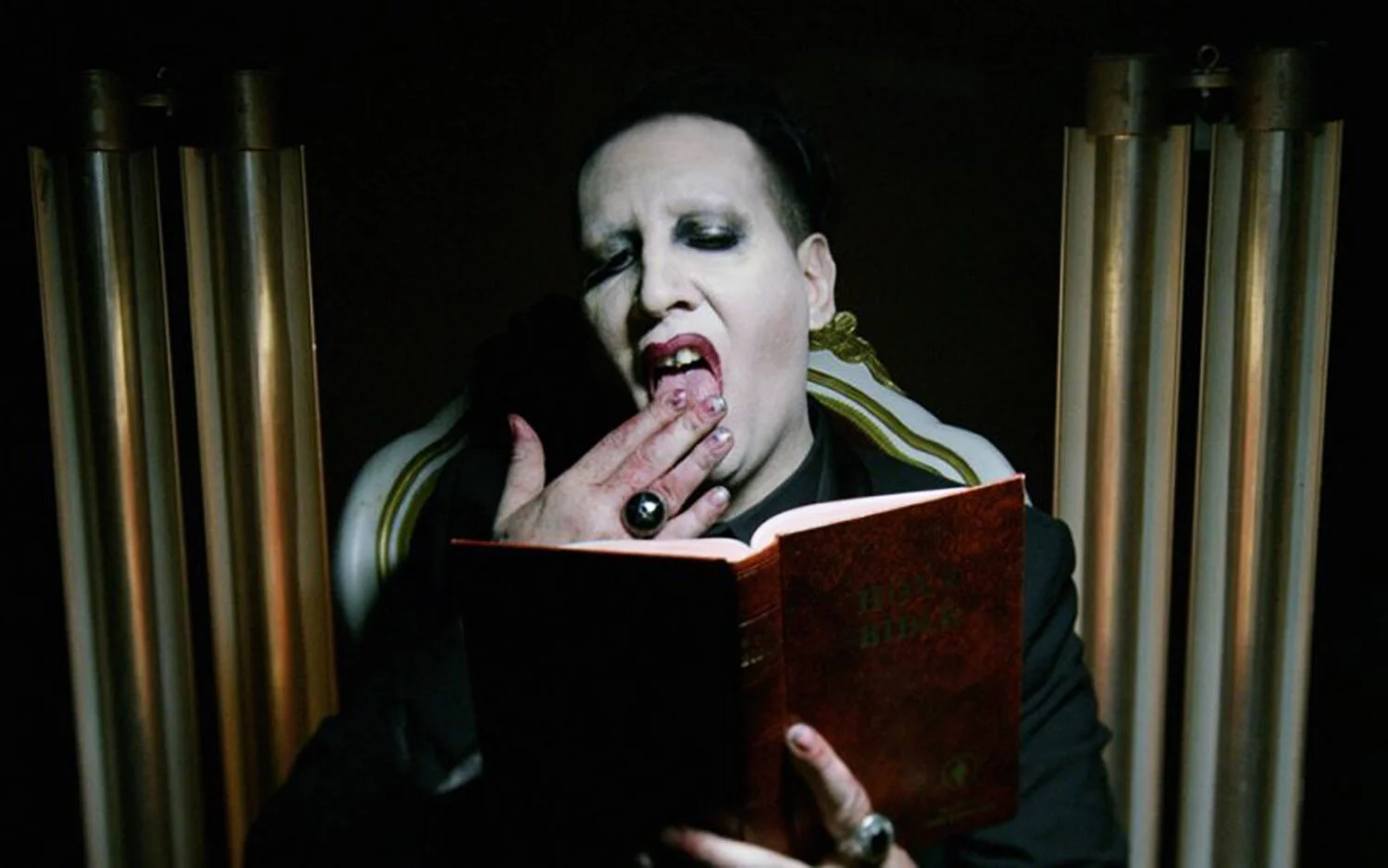
I don’t know anyone else who can temporarily loan their audience the thing that makes them special. James Ellroy never made me a better writer. Marilyn Manson never made me a better musician or a better goth. I admire them, but my relationship to their work is purely emotional. They make me feel something. That’s where it ends.
Klosterman is different. Because of him, I understand the world I live in better,not marginally, but significantly. I understand how the culture I grew up in shaped my worldview, and how every piece of media carries the potential to do that shaping. Dead End Follies wasn’t created because of Chuck Klosterman, but it became what it is because of him. Reading Klosterman feels like briefly acquiring a skill you didn’t know you were missing.
When I first encountered his work, my relationship to it was mildly adversarial. I was finishing a master’s degree in comparative literature and still clinging to the idea that being smart meant being the smartest person in the room. Academia had bruised my ego. Klosterman’s loose, playful, emotionally honest approach made me feel both liberated and exposed. He wasn’t pretending objectivity mattered more than insight, and that irritated me.
He won anyway.
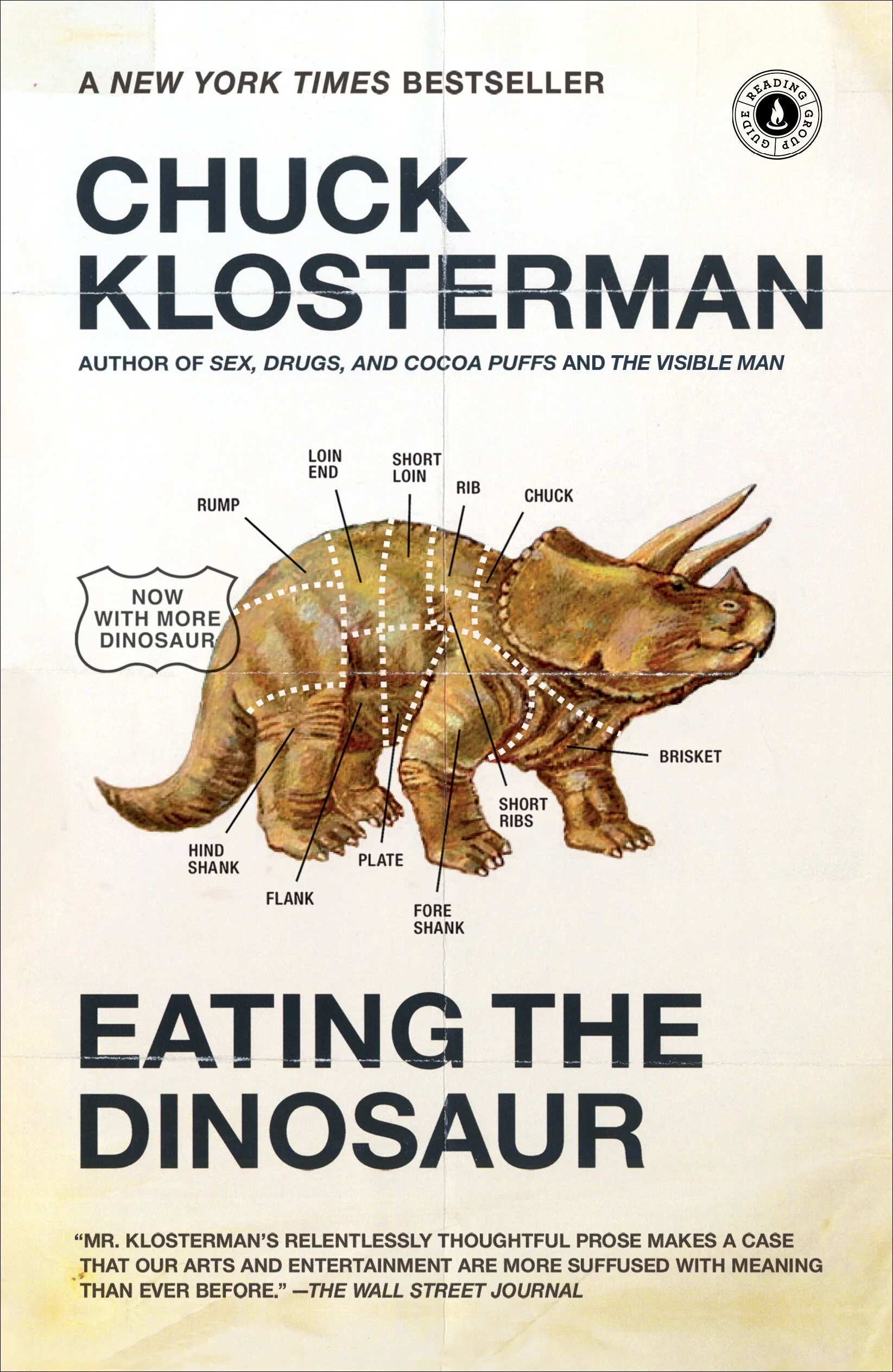
By the time I had read IV, Downtown Owl, and Eating the Dinosaur, he had convinced me of three things:
Every cultural choice we make matters—first personally, then socially, then historically. Culture spreads one person at a time.
Most of these choices are made unconsciously, triggered by marketing, nostalgia, or habit.
Examining these choices isn’t just fun; it gives us agency over how culture shapes us.
Culture deserves our attention. Yes, there are more urgent concerns—social justice, global crises, real-world suffering. But culture is the invisible architecture of personality. Music, movies, television: they shape who we want to be and who we’re drawn to.
Take Taylor Swift. Everyone has an opinion about her, even people who insist they don’t care. Those people are usually just trying to signal that they’re too complex to like popular things. Very few people actually understand why they feel the way they feel about Taylor Swift.
She isn’t popular because of one thing. Not the country roots. Not Kanye. Not the revenge songs. She’s a cumulative cultural construction. Whether you like her is irrelevant. Whether you understand her matters a lot more.
Klosterman taught me to see that.
The method (kind of)
Pop culture criticism is healthier now than it was a decade ago. Smart, articulate critics are everywhere. But no one does what Klosterman does.
Most critics analyze media based on its origins, context, influences, intent. Klosterman reverses the lens. He looks at how media reshapes the audience. Not how culture creates art, but how art quietly reorganizes culture.
That’s why artists like Taylor Swift or Billie Eilish feel inevitable. They are smart kids raised on disposable pop, deciding they can do it better. Britney Spears and Christina Aguilera shaped them; they, in turn, shape the emotional vocabulary of a new generation.
Taylor Swift is a cultural evolution. A Pokémon with better songwriting instincts.
This only works with culturally significant material. I love Mayhem, but their influence stops at notoriety. Taylor Swift changes how people think and feel. That difference matters.
Klosterman has a gift for finding the angle where the personal, the cultural, and the universal line up. Most critics force that alignment. He waits until it happens.
Two kids raised by culture
The last thing I wanted to understand was why this work mattered to me so much emotionally. Klosterman isn’t an emotional writer—at least not overtly. Why did this feel personal?
The answer was simple and uncomfortable: I recognized myself.
I grew up isolated, introverted, and culturally overfed. Television, games, books, music—they were safer than people. They asked less of me. They raised me. Lisa Simpson probably taught me more than most of my teachers.
Klosterman grew up alone too, in a different setting but under similar conditions. Lots of time. Lots of culture. Lots of thinking.
That’s the connection. Two people raised by media, trying to make sense of the world through it.
Chuck Klosterman is my favorite writer because he thinks the way I think—just clearer, sharper, and faster. If you’re raised by culture, it makes sense that you’d learn to understand yourself through someone who was too.
If no one reads this whole thing, that’s fine. But if you did, you should read Chuck Klosterman.
You don’t need him anymore. Maybe you never did. But if culture ever felt like a parent, he’s one of the few people who figured out how to talk back to it. But you still need him to understand the role you play in it. If you’re interested in reading my entire retrospective of his work, the links are below: